Umang Sisodia • • 7 min read • 1 view

Trump Names Truth Social Adviser Katie Zacharia White House Press Secretary – Implications and Outlook

Listen to Article
Select a voice and press play
Trump Names Truth Social Adviser Katie Zacharia White House Press Secretary – Implications and Outlook

Key Takeaways

  • Katie Zacharia, a longtime adviser to Donald Trump's Truth Social platform, is appointed White House Press Secretary, signaling a shift toward digital‑first communications.
  • The move sparks political backlash and raises questions about media access, credibility, and the administration’s messaging strategy.
  • Congressional hearings and journalist unions are already demanding clarity on press briefings, while Trump's base sees the appointment as a win for “truth‑focused” media.
  • Long‑term, this could reshape White House‑media relations, influencing how future administrations handle the evolving social‑media landscape.

The Announcement: A Surprise From the West Wing

On October 9, 2026, the White House released a brief statement confirming that Katie Zacharia, who has served as a senior adviser for the President’s Truth Social platform, will assume the role of White House Press Secretary effective immediately. The announcement, posted on the official White House website and amplified across Trump's own social channels, was accompanied by a short video of Zacharia standing in front of the East Wing podium, flanked by senior communications staff.

"Katie brings a deep understanding of the President’s vision for direct, unfiltered communication with the American people," the statement read.

The decision comes at a time when the administration is grappling with intensified media scrutiny, ongoing investigations into the handling of classified information, and a polarized public discourse. By tapping someone from the Truth Social ecosystem, the President appears to be doubling down on a strategy that prioritizes platform‑centric messaging over traditional press briefings.

Who Is Katie Zacharia?

Katie Zacharia, 38, is a former digital strategist who joined Truth Social in 2022 as the platform’s Chief Content Officer. Prior to that, she worked at Baker & McKenzie’s public affairs division, handling crisis communications for tech startups. Her reputation within the Trump orbit grew after she was credited with revamping the platform’s algorithm to prioritize “truth‑aligned” content, a term the administration uses to describe narratives that align with its policy agenda.

Zacharia’s background is a blend of legal acumen, tech‑savvy, and political loyalty—a combination that the White House believes will help navigate the increasingly complex media environment.

The story has surged on Google Trends and major news wires for several reasons:

  1. Unconventional Choice: Historically, White House press secretaries have come from journalism, law, or political communications. Zacharia’s tech‑first background is a departure from the norm.
  2. Truth Social Connection: The platform has been a flashpoint in the ongoing debate over misinformation, content moderation, and the role of private social media in public discourse.
  3. Potential Media Fallout: Journalists and press organizations are already questioning whether Zacharia will grant traditional press briefings or shift entirely to social‑media‑only updates.
  4. Political Ramifications: Congressional leaders have signaled intent to hold hearings on the administration’s communication strategy, citing concerns over transparency.

Immediate Reactions Across the Spectrum

Republican Allies

Many Republican lawmakers praised the appointment, framing it as a victory for free‑speech advocacy. Senator Mitch McConnell tweeted, "A strong, loyal communicator who knows how to get the President’s message directly to the people. #TruthWins."

Democratic Opposition

Democratic leaders were swift to criticize, with Senate Majority Leader Chuck Schumer calling it “a dangerous gamble that could further erode trust in the White House’s relationship with the press.”

Press Corps Concerns

The White House Correspondents’ Association (WHCA) released a statement demanding that Zacharia uphold the tradition of daily briefings and open Q&A sessions. The association warned that a shift to a purely digital briefings could “undermine accountability.”

Public Sentiment

Polls conducted by Pew Research Center show a split reaction: 42% of respondents view the appointment positively, citing a desire for more direct communication, while 48% express concern over potential media manipulation.
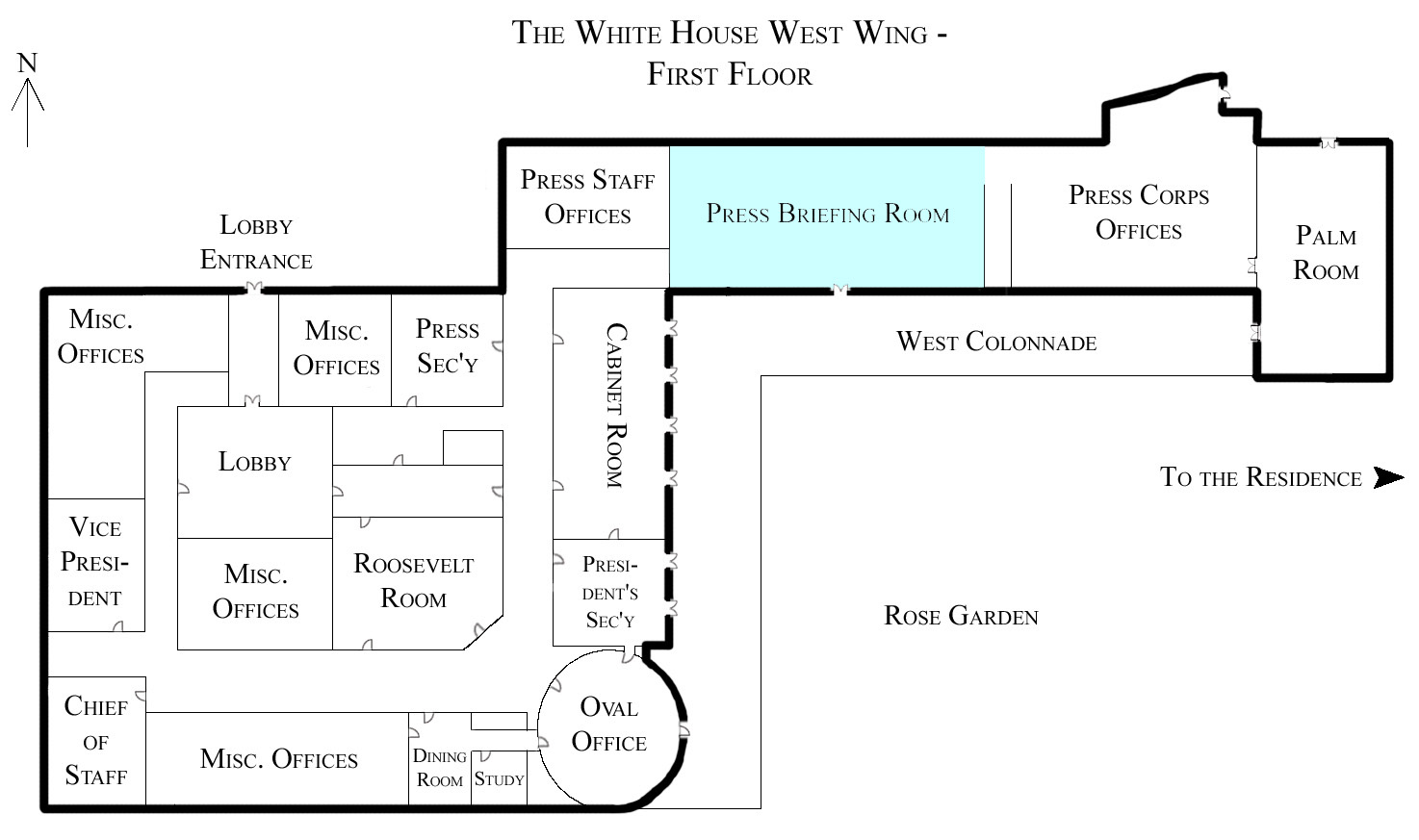
White House press briefing room White House press briefing room

The Strategic Calculus: From Traditional Briefings to Digital‑First Messaging

The Trump administration’s communication playbook has increasingly leaned on direct‑to‑public channels. By placing a Truth Social veteran at the helm, the White House may be aiming to:

  • Streamline messaging: Reduce the lag between decision‑making and public dissemination.
  • Control narrative: Bypass traditional media filters that have historically challenged the administration’s talking points.
  • Engage younger voters: Leverage the platform’s strong user base among 18‑34‑year‑olds.

However, this approach carries risks. Misinformation concerns, potential exclusion of legacy media, and the legal implications of using a private platform for official communications are all points of contention.

Historical Context: Press Secretaries and Digital Evolution

The role of White House press secretary has evolved dramatically over the past two decades:

  • 1990s: Traditional press briefings dominated, with limited use of the internet.
  • 2000s: Introduction of online press releases and email briefings.
  • 2010s: Presidents began tweeting directly; the role expanded to include social media strategy.
  • 2020s: The rise of platform‑specific advisors (e.g., Twitter, TikTok) signaled a shift toward real‑time, audience‑targeted communication.

Zacharia’s appointment can be seen as the next logical step in this digital trajectory, albeit one that pushes the envelope further than any previous administration.

The Federal Records Act requires that official communications be preserved. Using a private platform like Truth Social for official statements could raise questions about record‑keeping compliance. Additionally, the First Amendment implications of favoring a single platform for official messaging may attract constitutional challenges.

Legal scholars from Harvard Law School have warned that “if the administration treats Truth Social as the de‑facto official channel, it may inadvertently privilege a private entity over the public’s right to information.”

Looking Ahead: What to Expect from Zacharia’s Tenure

In the coming weeks, observers will watch for:

  • Format of briefings: Will Zacharia hold traditional press briefings, or will she rely solely on live‑streamed videos and Twitter‑style updates?
  • Transparency measures: Will the administration publish full transcripts of digital briefings?
  • Interaction with the press: Will journalists be granted access to off‑record briefings?
  • Policy messaging: How will Zacharia handle sensitive topics such as the ongoing investigations and foreign policy decisions?

Editorial Analysis & Future Outlook

The appointment of Katie Zacharia marks a pivotal moment in the evolving relationship between the White House and the media. By installing a Truth Social insider, the administration is effectively institutionalizing a digital‑first paradigm that could redefine how future governments communicate.

Short‑term, we can anticipate heightened tensions with the press corps, possible congressional hearings, and a flurry of legal challenges surrounding record‑keeping and platform bias. The administration’s ability to balance direct outreach with institutional transparency will determine whether this experiment strengthens or erodes public trust.

Long‑term, if Zacharia succeeds in delivering clear, consistent messaging without alienating traditional media, we may see a new standard where official government communications are co‑hosted on both legacy and emerging platforms. Conversely, a failure could prompt a reversal toward more conventional press briefings, reinforcing the importance of an independent press in democratic governance.

For media professionals, the lesson is clear: adaptability is essential. Journalists must develop digital fluency, engage with platform‑specific content, and continue to demand access and accountability regardless of the medium.

In sum, Katie Zacharia’s tenure will serve as a litmus test for the viability of platform‑centric governance in the 21st century. Its outcome will shape not only the future of White House communications but also the broader democratic discourse in an increasingly digital world.


Original Reporting & Source: India Today Top Stories

Discussion (0)

Sign in to join the discussion.

No comments yet. Be the first to start the conversation!

| |

Trump Names Truth Social Adviser Katie Zacharia White House Press Secretary – Implications and Outlook

By Umang Sisodia • 7 min read • 1 view

Key Takeaways

  • Katie Zacharia, a longtime adviser to Donald Trump's Truth Social platform, is appointed White House Press Secretary, signaling a shift toward digital‑first communications.
  • The move sparks political backlash and raises questions about media access, credibility, and the administration’s messaging strategy.
  • Congressional hearings and journalist unions are already demanding clarity on press briefings, while Trump's base sees the appointment as a win for “truth‑focused” media.
  • Long‑term, this could reshape White House‑media relations, influencing how future administrations handle the evolving social‑media landscape.

The Announcement: A Surprise From the West Wing

On October 9, 2026, the White House released a brief statement confirming that Katie Zacharia, who has served as a senior adviser for the President’s Truth Social platform, will assume the role of White House Press Secretary effective immediately. The announcement, posted on the official White House website and amplified across Trump's own social channels, was accompanied by a short video of Zacharia standing in front of the East Wing podium, flanked by senior communications staff.

"Katie brings a deep understanding of the President’s vision for direct, unfiltered communication with the American people," the statement read.

The decision comes at a time when the administration is grappling with intensified media scrutiny, ongoing investigations into the handling of classified information, and a polarized public discourse. By tapping someone from the Truth Social ecosystem, the President appears to be doubling down on a strategy that prioritizes platform‑centric messaging over traditional press briefings.

Who Is Katie Zacharia?

Katie Zacharia, 38, is a former digital strategist who joined Truth Social in 2022 as the platform’s Chief Content Officer. Prior to that, she worked at Baker & McKenzie’s public affairs division, handling crisis communications for tech startups. Her reputation within the Trump orbit grew after she was credited with revamping the platform’s algorithm to prioritize “truth‑aligned” content, a term the administration uses to describe narratives that align with its policy agenda.

Zacharia’s background is a blend of legal acumen, tech‑savvy, and political loyalty—a combination that the White House believes will help navigate the increasingly complex media environment.

The story has surged on Google Trends and major news wires for several reasons:

  1. Unconventional Choice: Historically, White House press secretaries have come from journalism, law, or political communications. Zacharia’s tech‑first background is a departure from the norm.
  2. Truth Social Connection: The platform has been a flashpoint in the ongoing debate over misinformation, content moderation, and the role of private social media in public discourse.
  3. Potential Media Fallout: Journalists and press organizations are already questioning whether Zacharia will grant traditional press briefings or shift entirely to social‑media‑only updates.
  4. Political Ramifications: Congressional leaders have signaled intent to hold hearings on the administration’s communication strategy, citing concerns over transparency.

Immediate Reactions Across the Spectrum

Republican Allies

Many Republican lawmakers praised the appointment, framing it as a victory for free‑speech advocacy. Senator Mitch McConnell tweeted, "A strong, loyal communicator who knows how to get the President’s message directly to the people. #TruthWins."

Democratic Opposition

Democratic leaders were swift to criticize, with Senate Majority Leader Chuck Schumer calling it “a dangerous gamble that could further erode trust in the White House’s relationship with the press.”

Press Corps Concerns

The White House Correspondents’ Association (WHCA) released a statement demanding that Zacharia uphold the tradition of daily briefings and open Q&A sessions. The association warned that a shift to a purely digital briefings could “undermine accountability.”

Public Sentiment

Polls conducted by Pew Research Center show a split reaction: 42% of respondents view the appointment positively, citing a desire for more direct communication, while 48% express concern over potential media manipulation.

White House press briefing room White House press briefing room

The Strategic Calculus: From Traditional Briefings to Digital‑First Messaging

The Trump administration’s communication playbook has increasingly leaned on direct‑to‑public channels. By placing a Truth Social veteran at the helm, the White House may be aiming to:

  • Streamline messaging: Reduce the lag between decision‑making and public dissemination.
  • Control narrative: Bypass traditional media filters that have historically challenged the administration’s talking points.
  • Engage younger voters: Leverage the platform’s strong user base among 18‑34‑year‑olds.

However, this approach carries risks. Misinformation concerns, potential exclusion of legacy media, and the legal implications of using a private platform for official communications are all points of contention.

Historical Context: Press Secretaries and Digital Evolution

The role of White House press secretary has evolved dramatically over the past two decades:

  • 1990s: Traditional press briefings dominated, with limited use of the internet.
  • 2000s: Introduction of online press releases and email briefings.
  • 2010s: Presidents began tweeting directly; the role expanded to include social media strategy.
  • 2020s: The rise of platform‑specific advisors (e.g., Twitter, TikTok) signaled a shift toward real‑time, audience‑targeted communication.

Zacharia’s appointment can be seen as the next logical step in this digital trajectory, albeit one that pushes the envelope further than any previous administration.

The Federal Records Act requires that official communications be preserved. Using a private platform like Truth Social for official statements could raise questions about record‑keeping compliance. Additionally, the First Amendment implications of favoring a single platform for official messaging may attract constitutional challenges.

Legal scholars from Harvard Law School have warned that “if the administration treats Truth Social as the de‑facto official channel, it may inadvertently privilege a private entity over the public’s right to information.”

Looking Ahead: What to Expect from Zacharia’s Tenure

In the coming weeks, observers will watch for:

  • Format of briefings: Will Zacharia hold traditional press briefings, or will she rely solely on live‑streamed videos and Twitter‑style updates?
  • Transparency measures: Will the administration publish full transcripts of digital briefings?
  • Interaction with the press: Will journalists be granted access to off‑record briefings?
  • Policy messaging: How will Zacharia handle sensitive topics such as the ongoing investigations and foreign policy decisions?

Editorial Analysis & Future Outlook

The appointment of Katie Zacharia marks a pivotal moment in the evolving relationship between the White House and the media. By installing a Truth Social insider, the administration is effectively institutionalizing a digital‑first paradigm that could redefine how future governments communicate.

Short‑term, we can anticipate heightened tensions with the press corps, possible congressional hearings, and a flurry of legal challenges surrounding record‑keeping and platform bias. The administration’s ability to balance direct outreach with institutional transparency will determine whether this experiment strengthens or erodes public trust.

Long‑term, if Zacharia succeeds in delivering clear, consistent messaging without alienating traditional media, we may see a new standard where official government communications are co‑hosted on both legacy and emerging platforms. Conversely, a failure could prompt a reversal toward more conventional press briefings, reinforcing the importance of an independent press in democratic governance.

For media professionals, the lesson is clear: adaptability is essential. Journalists must develop digital fluency, engage with platform‑specific content, and continue to demand access and accountability regardless of the medium.

In sum, Katie Zacharia’s tenure will serve as a litmus test for the viability of platform‑centric governance in the 21st century. Its outcome will shape not only the future of White House communications but also the broader democratic discourse in an increasingly digital world.


Original Reporting & Source: India Today Top Stories