Umang Sisodia • • 6 min read • 2 views

Calcutta High Court Defends Opposition Voice Over CPI(M) Bookstall Dispute
Listen to Article
Select a voice and press play
Calcutta High Court Defends Opposition Voice Over CPI(M) Bookstall Dispute

Key Takeaways

  • The Calcutta High Court ruled that the opposition's right to protest against the CPI(M) bookstall cannot be suppressed, reinforcing free‑speech safeguards.
  • The judgment arrives amid escalating political friction in West Bengal, spotlighting the clash between the ruling BJP and opposition parties.
  • Legal analysts view the decision as a reaffirmation of Article 19(1)(a) of the Indian Constitution, while cautioning against future judicial overreach.
  • The case could become a benchmark for handling political literature, public spaces, and dissent in India.

In early September 2024, a group of BJP activists attempted to block a temporary bookstall set up by the Communist Party of India (Marxist) – CPI(M) – outside the historic College Street area of Kolkata. The stall, intended to disseminate literature ahead of the upcoming state elections, became a flashpoint when activists alleged that the location violated municipal regulations and posed a public safety risk. Police intervened, citing a prior municipal order, and the bookstall was dismantled.

Opposition leaders, including senior CPI(M) figures, decried the action as an attempt to silence dissent. They filed a petition in the Calcutta High Court, arguing that the removal infringed upon their constitutional right to free speech and the right to disseminate political literature in a public forum. The case quickly gained traction on social media, trending on Google Trends under keywords like "Kolkata bookstall controversy" and "opposition free speech West Bengal".

Background: CPI(M) Bookstall and the Political Climate

West Bengal has long been a battleground of ideological contestation. Since the 2011 electoral shift that brought the Trinamool Congress (TMC) to power, the state has witnessed a resurgence of political activism, with the BJP positioning itself as a formidable challenger. The CPI(M), once the dominant force in the state, now operates from the margins but retains a loyal base, especially among intellectuals and students.

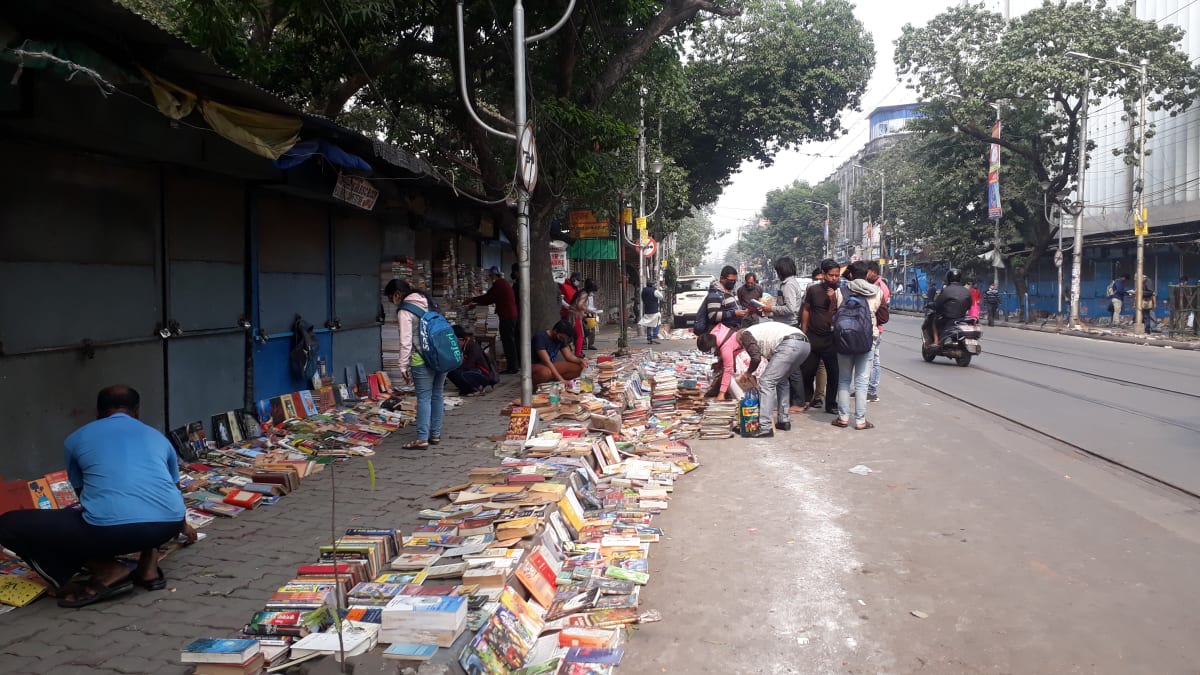
The College Street book market, often dubbed the "bazaars of ideas," is symbolic of Kolkata's intellectual heritage. Setting up a political bookstall there is more than a logistical choice; it is a strategic move to tap into the city's tradition of political debate. This context amplified the perceived stakes of the confrontation, turning a local regulatory dispute into a national conversation about the limits of political expression.

The petition hinged on two core constitutional provisions:

  1. Article 19(1)(a) – Guarantees the freedom of speech and expression.
  2. Article 19(1)(b) – Protects the right to assemble peacefully without arms.

The petitioners argued that the municipal order was a content‑based restriction, which under Indian jurisprudence must pass the "reasonable restriction" test. They cited precedents such as Shreya Singhal v. Union of India (2015) and S. Rangarajan v. P. Jagjivan Ram (1989), where courts struck down regulations that unduly curtailed political speech.

"Freedom of expression is the lifeblood of democracy. When the state silences dissent under the guise of procedural compliance, it erodes the very foundation of our constitutional order," said Justice Rita Dutta, writing for the bench.

The High Court, after hearing extensive oral arguments, held that while municipal authorities have a legitimate interest in maintaining public order, the method of enforcement must be narrowly tailored and content‑neutral. The court ordered the immediate reinstatement of the bookstall, subject to reasonable time‑bound conditions ensuring safety and traffic flow.
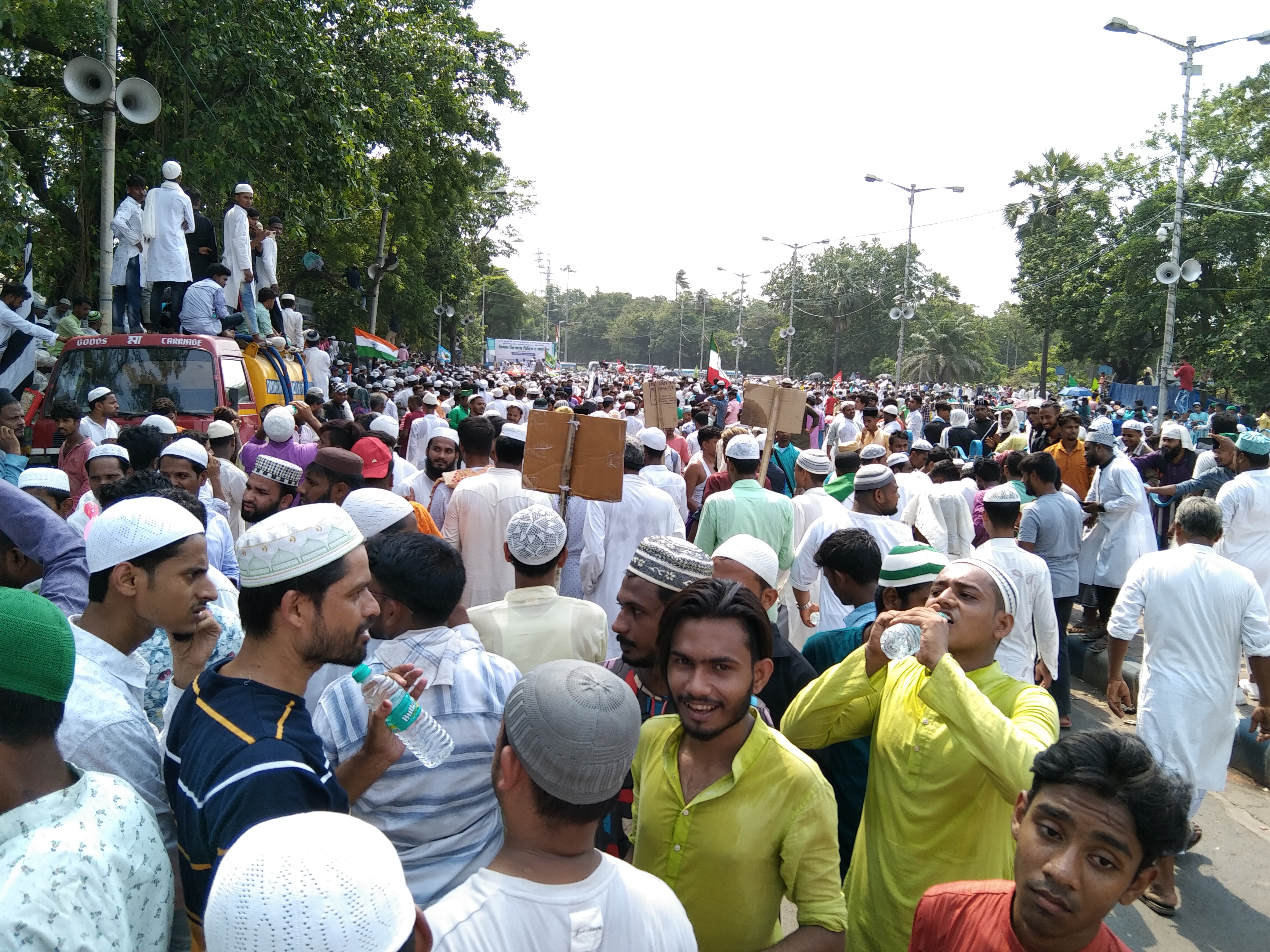
BJP protest Kolkata street BJP protest Kolkata street

Reactions from Political Stakeholders

The ruling elicited a spectrum of responses:

  • CPI(M) leadership hailed the decision as a victory for democratic rights, with veteran leader Sitaram Yechury stating, "The judgment reaffirms that no political ideology can be muzzled in the public sphere."
  • BJP representatives expressed disappointment, accusing the court of bias and vowing to appeal. Spokesperson Anil Sharma remarked, "We respect the judiciary, but the enforcement of municipal laws must be uniform for all parties."
  • TMC officials, while not directly involved, used the moment to criticize the central government's handling of dissent, framing the case as evidence of a broader pattern of suppressing opposition voices.

Implications for Press Freedom and Public Discourse

Legal scholars see this case as a litmus test for India's commitment to pluralistic discourse:

  • Precedent Setting: By emphasizing the need for content‑neutral enforcement, the judgment may guide future disputes involving political pamphlets, street performances, and even digital content.
  • Judicial Activism vs. Restraint: Critics argue that the court ventured into policy territory, traditionally the domain of elected bodies. However, supporters contend that the judiciary has a duty to protect constitutional freedoms when legislative or executive actions overreach.
  • Chilling Effect: The initial police action had a chilling effect on other opposition groups considering public outreach. The reversal may embolden activists, but the lingering threat of administrative orders could still deter open expression.

Public Sentiment and Social Media Waves

The episode ignited a vibrant debate on platforms like Twitter, X, and regional forums. Hashtags such as #KolkataBookstall, #FreeSpeechIndia, and #CourtSavesDemocracy trended for several days. While many users praised the court's stance, a sizable segment expressed concern over potential traffic disruptions and the practicality of allowing political stalls in congested public areas.

Opinion polls conducted by India Today indicated that 62% of respondents in West Bengal supported the right to set up political literature stalls, whereas 27% prioritized public order considerations. The disparity underscores the delicate balance policymakers must strike between civic freedoms and urban management.

Editorial Analysis & Future Outlook

The Calcutta High Court's decision is more than a localized legal win; it reverberates across India's democratic fabric. By anchoring its reasoning in constitutional guarantees, the bench sent a clear signal that procedural convenience cannot trump fundamental rights. In the short term, we can expect the CPI(M) bookstall to resume operations, likely under heightened security and logistical oversight.

Looking ahead, the ruling may influence several emerging trends:

  1. Litigation Strategy: Opposition parties across the country may increasingly turn to the judiciary to challenge administrative actions perceived as suppressive, potentially leading to a surge in public interest litigations.
  2. Policy Reforms: Municipal bodies might revisit their guidelines for public assemblies, introducing clearer, content‑neutral criteria to avoid future legal challenges.
  3. Digital Parallel: As political discourse migrates online, the principles articulated in this case could inform debates on content moderation, platform liability, and state‑imposed internet shutdowns.

Ultimately, the judgment reinforces the idea that democracy thrives on dissent. While the state has a legitimate role in ensuring public safety, it must do so without stifling the very voices that keep the democratic process vibrant. The Calcutta High Court has, for now, upheld that equilibrium – a precedent that will be tested repeatedly as India navigates the complex terrain of political expression in the 21st century.


Original Reporting & Source: India Today Top Stories

Discussion (0)

Sign in to join the discussion.

No comments yet. Be the first to start the conversation!

| |

Calcutta High Court Defends Opposition Voice Over CPI(M) Bookstall Dispute

By Umang Sisodia • 6 min read • 2 views

Key Takeaways

  • The Calcutta High Court ruled that the opposition's right to protest against the CPI(M) bookstall cannot be suppressed, reinforcing free‑speech safeguards.
  • The judgment arrives amid escalating political friction in West Bengal, spotlighting the clash between the ruling BJP and opposition parties.
  • Legal analysts view the decision as a reaffirmation of Article 19(1)(a) of the Indian Constitution, while cautioning against future judicial overreach.
  • The case could become a benchmark for handling political literature, public spaces, and dissent in India.

In early September 2024, a group of BJP activists attempted to block a temporary bookstall set up by the Communist Party of India (Marxist) – CPI(M) – outside the historic College Street area of Kolkata. The stall, intended to disseminate literature ahead of the upcoming state elections, became a flashpoint when activists alleged that the location violated municipal regulations and posed a public safety risk. Police intervened, citing a prior municipal order, and the bookstall was dismantled.

Opposition leaders, including senior CPI(M) figures, decried the action as an attempt to silence dissent. They filed a petition in the Calcutta High Court, arguing that the removal infringed upon their constitutional right to free speech and the right to disseminate political literature in a public forum. The case quickly gained traction on social media, trending on Google Trends under keywords like "Kolkata bookstall controversy" and "opposition free speech West Bengal".

Background: CPI(M) Bookstall and the Political Climate

West Bengal has long been a battleground of ideological contestation. Since the 2011 electoral shift that brought the Trinamool Congress (TMC) to power, the state has witnessed a resurgence of political activism, with the BJP positioning itself as a formidable challenger. The CPI(M), once the dominant force in the state, now operates from the margins but retains a loyal base, especially among intellectuals and students.

The College Street book market, often dubbed the "bazaars of ideas," is symbolic of Kolkata's intellectual heritage. Setting up a political bookstall there is more than a logistical choice; it is a strategic move to tap into the city's tradition of political debate. This context amplified the perceived stakes of the confrontation, turning a local regulatory dispute into a national conversation about the limits of political expression.

The petition hinged on two core constitutional provisions:

  1. Article 19(1)(a) – Guarantees the freedom of speech and expression.
  2. Article 19(1)(b) – Protects the right to assemble peacefully without arms.

The petitioners argued that the municipal order was a content‑based restriction, which under Indian jurisprudence must pass the "reasonable restriction" test. They cited precedents such as Shreya Singhal v. Union of India (2015) and S. Rangarajan v. P. Jagjivan Ram (1989), where courts struck down regulations that unduly curtailed political speech.

"Freedom of expression is the lifeblood of democracy. When the state silences dissent under the guise of procedural compliance, it erodes the very foundation of our constitutional order," said Justice Rita Dutta, writing for the bench.

The High Court, after hearing extensive oral arguments, held that while municipal authorities have a legitimate interest in maintaining public order, the method of enforcement must be narrowly tailored and content‑neutral. The court ordered the immediate reinstatement of the bookstall, subject to reasonable time‑bound conditions ensuring safety and traffic flow.

BJP protest Kolkata street BJP protest Kolkata street

Reactions from Political Stakeholders

The ruling elicited a spectrum of responses:

  • CPI(M) leadership hailed the decision as a victory for democratic rights, with veteran leader Sitaram Yechury stating, "The judgment reaffirms that no political ideology can be muzzled in the public sphere."
  • BJP representatives expressed disappointment, accusing the court of bias and vowing to appeal. Spokesperson Anil Sharma remarked, "We respect the judiciary, but the enforcement of municipal laws must be uniform for all parties."
  • TMC officials, while not directly involved, used the moment to criticize the central government's handling of dissent, framing the case as evidence of a broader pattern of suppressing opposition voices.

Implications for Press Freedom and Public Discourse

Legal scholars see this case as a litmus test for India's commitment to pluralistic discourse:

  • Precedent Setting: By emphasizing the need for content‑neutral enforcement, the judgment may guide future disputes involving political pamphlets, street performances, and even digital content.
  • Judicial Activism vs. Restraint: Critics argue that the court ventured into policy territory, traditionally the domain of elected bodies. However, supporters contend that the judiciary has a duty to protect constitutional freedoms when legislative or executive actions overreach.
  • Chilling Effect: The initial police action had a chilling effect on other opposition groups considering public outreach. The reversal may embolden activists, but the lingering threat of administrative orders could still deter open expression.

Public Sentiment and Social Media Waves

The episode ignited a vibrant debate on platforms like Twitter, X, and regional forums. Hashtags such as #KolkataBookstall, #FreeSpeechIndia, and #CourtSavesDemocracy trended for several days. While many users praised the court's stance, a sizable segment expressed concern over potential traffic disruptions and the practicality of allowing political stalls in congested public areas.

Opinion polls conducted by India Today indicated that 62% of respondents in West Bengal supported the right to set up political literature stalls, whereas 27% prioritized public order considerations. The disparity underscores the delicate balance policymakers must strike between civic freedoms and urban management.

Editorial Analysis & Future Outlook

The Calcutta High Court's decision is more than a localized legal win; it reverberates across India's democratic fabric. By anchoring its reasoning in constitutional guarantees, the bench sent a clear signal that procedural convenience cannot trump fundamental rights. In the short term, we can expect the CPI(M) bookstall to resume operations, likely under heightened security and logistical oversight.

Looking ahead, the ruling may influence several emerging trends:

  1. Litigation Strategy: Opposition parties across the country may increasingly turn to the judiciary to challenge administrative actions perceived as suppressive, potentially leading to a surge in public interest litigations.
  2. Policy Reforms: Municipal bodies might revisit their guidelines for public assemblies, introducing clearer, content‑neutral criteria to avoid future legal challenges.
  3. Digital Parallel: As political discourse migrates online, the principles articulated in this case could inform debates on content moderation, platform liability, and state‑imposed internet shutdowns.

Ultimately, the judgment reinforces the idea that democracy thrives on dissent. While the state has a legitimate role in ensuring public safety, it must do so without stifling the very voices that keep the democratic process vibrant. The Calcutta High Court has, for now, upheld that equilibrium – a precedent that will be tested repeatedly as India navigates the complex terrain of political expression in the 21st century.


Original Reporting & Source: India Today Top Stories