Umang Sisodia • • 4 min read • 1 view
Chennai Drenched: Northeast Monsoon Revives Over Tamil Nadu
Key Takeaways
- The Northeast monsoon officially became active over Tamil Nadu on Saturday, bringing widespread rainfall to Chennai.
- Meteorologists attribute the sudden downpour to a low‑pressure trough interacting with the Bay of Bengal’s warm waters.
- The city’s drainage and flood‑mitigation systems are under renewed scrutiny after repeated water‑logging incidents.
- Long‑term climate shifts suggest a more erratic monsoon pattern, prompting policymakers to rethink urban resilience.
The Meteorological Shift: Northeast Monsoon Arrives
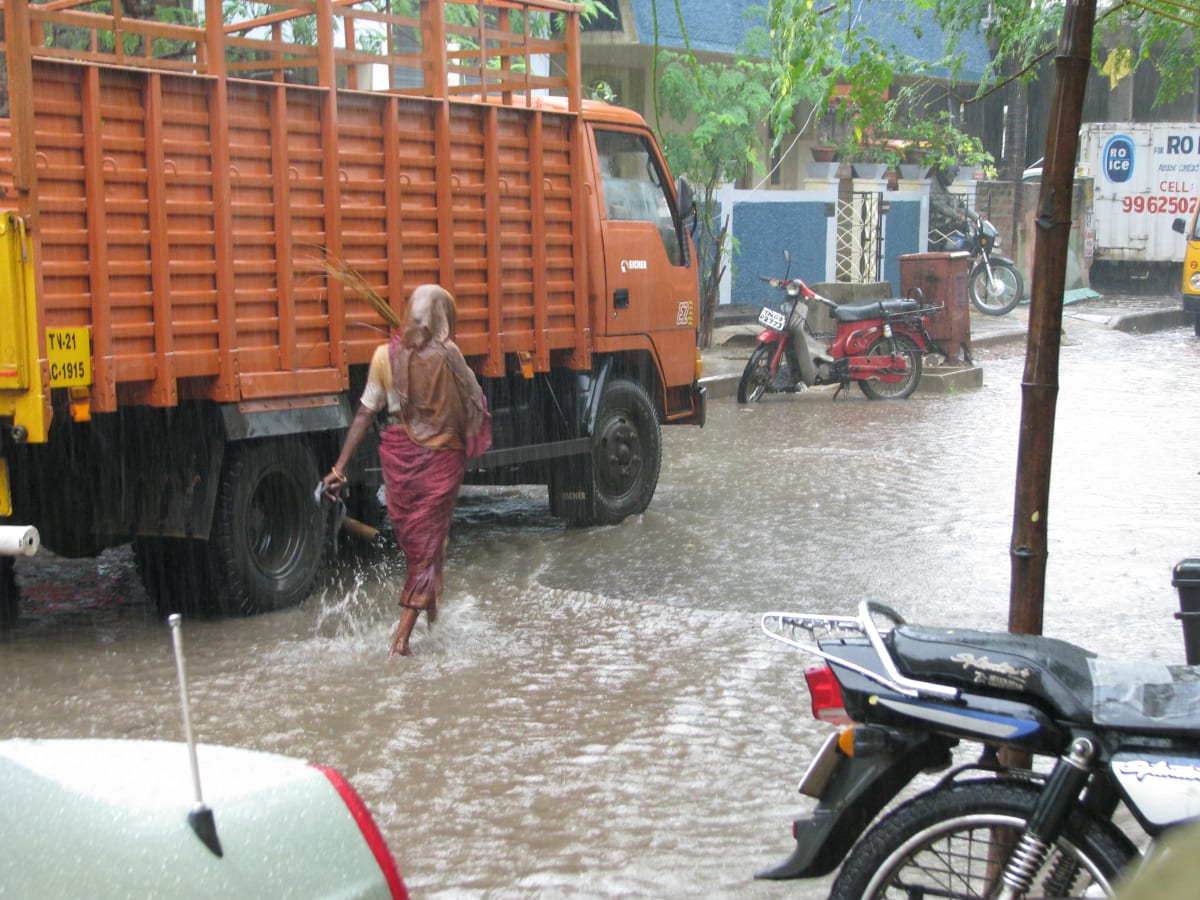
On Saturday, Chennai experienced a sudden deluge that left streets awash and commuters stranded. The India Meteorological Department (IMD) confirmed that the Northeast monsoon, locally known as ‘Retreating Monsoon’, has moved into its active phase over Tamil Nadu. Unlike the Southwest monsoon that dominates most of India, the Northeast monsoon draws moisture from the Bay of Bengal during the post‑summer months, typically from late September to early December.
Why the Sudden Surge?
- Low‑pressure trough: A deepening trough over the southern Bay of Bengal created a pressure gradient, pulling moist air inland.
- Sea‑surface temperatures: Above‑average sea temperatures (around 30°C) enhanced evaporation, feeding the monsoon clouds.
- Jet stream dynamics: A temporary shift in the upper‑level jet stream funneled the system directly over the Coromandel Coast, intensifying rainfall over Chennai.
These factors combined to produce localized heavy showers, with some stations recording up to 120 mm of rain within a few hours. The event quickly trended on Google Trends, with search queries like “Chennai rain today”, “Northeast monsoon Tamil Nadu”, and “flooding Chennai” spiking.
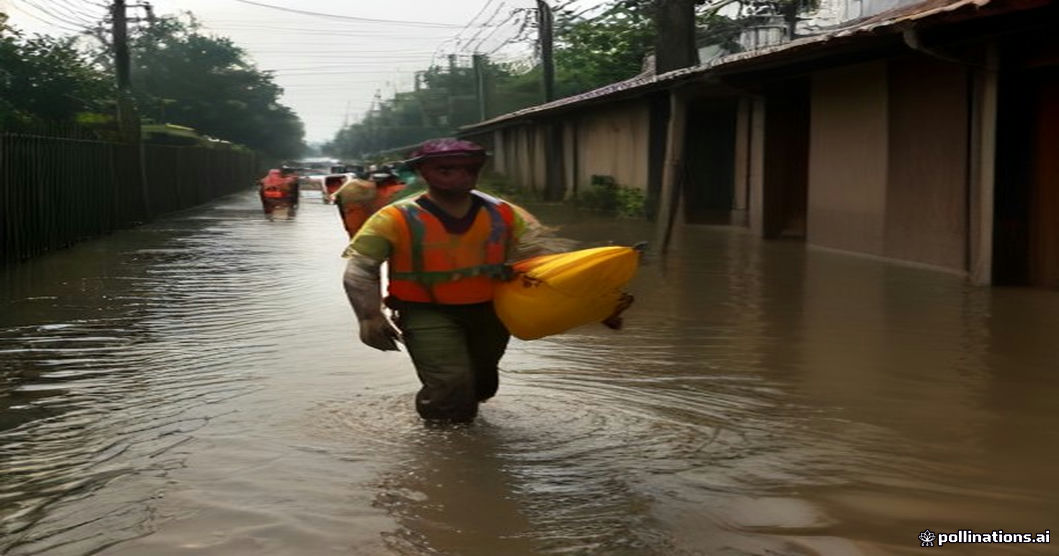 Chennai drainage canals during flood
How Chennai’s Infrastructure Responds
Chennai’s rapid urbanisation has outpaced its drainage capacity. The city relies on a network of canals, storm‑water drains, and the historic Buckingham Canal. However, chronic encroachments and inadequate maintenance have rendered many of these conduits ineffective.
- Drainage bottlenecks: Low‑lying neighborhoods such as Mylapore and T. Nagar witnessed water levels rising to knee‑height within minutes.
- Sewage‑stormwater overlap: In several wards, combined sewer systems overflowed, contaminating streets with wastewater.
- Emergency response: The Greater Chennai Corporation mobilised over 200 rescue teams, deploying rubber boats and sandbags. Social media showed volunteers assisting stranded commuters.
Urban planners argue that the city needs a “dual‑purpose” drainage model—separating storm‑water from sewage and integrating green infrastructure like permeable pavements and rain gardens.
Socio‑Economic Ripple Effects
The immediate impact of the downpour extended beyond inconvenience:
- Commerce disruption: Major retail corridors, including Anna Salai and T. Park, faced temporary closures, affecting daily turnover for small businesses.
- Transport paralysis: The Chennai Metro and suburban rail services halted for several hours, stranding thousands of commuters.
- Health concerns: Stagnant water raises the risk of vector‑borne diseases such as dengue and malaria, prompting health officials to issue advisories.
- Insurance claims: Property insurers reported a surge in short‑term claims for water‑damage, highlighting the financial strain on households.
These effects underscore the broader economic vulnerability of coastal megacities to monsoon variability.
Public Sentiment & Government Response
Social media platforms lit up with a mixture of frustration and resilience. Hashtags like #ChennaiRain, #Monsoon2026, and #FixOurDrains trended, reflecting citizen demand for systemic change.
The state government, through Chief Minister M. K. Stalin’s office, announced:
"We will expedite the implementation of the ‘Smart City Drainage Initiative’, allocating an additional ₹1,200 crore for upgrading storm‑water infrastructure across the metropolitan region."
Additionally, the IMD pledged daily bulletins and real‑time flood mapping via a dedicated mobile app, aiming to improve early warning dissemination.
Editorial Analysis & Future Outlook
The recent rainfall episode is a microcosm of a larger climatic narrative. While the Northeast monsoon is a seasonal norm, its intensity and timing appear increasingly erratic—mirroring global patterns of climate volatility. For Chennai, this translates into three strategic imperatives:
- Infrastructure overhaul: Investment must shift from reactive repairs to proactive, climate‑resilient designs. Incorporating nature‑based solutions—urban wetlands, mangrove buffers, and rooftop rainwater harvesting—can alleviate pressure on conventional drains.
- Data‑driven governance: Leveraging satellite‑derived precipitation data, AI‑powered flood forecasting, and citizen‑sourced reports can enable faster, targeted interventions.
- Community empowerment: Building local capacity through awareness campaigns and participatory planning ensures that residents become active stakeholders in flood mitigation.
If these measures are embraced, Chennai could transform from a flood‑prone metropolis into a model of adaptive urbanism. Conversely, inertia may exacerbate vulnerabilities, leading to more frequent disruptions and economic losses. The coming months—particularly October and November—will be a litmus test for how effectively policymakers translate rhetoric into resilient action.
In short, the drenched streets of Saturday are not merely a weather anecdote; they are a clarion call for systemic change in how Chennai, and similar coastal cities, confront the evolving monsoon reality.
Original Reporting & Source: India Today Top Stories

Discussion (0)
Sign in to join the discussion.
No comments yet. Be the first to start the conversation!