Umang Sisodia • • 5 min read • 1 view
Macron Condemns France Riots but Stops Short of Emergency: What It Means for Paris
Key Takeaways
- President Emmanuel Macron publicly denounced the recent riots in France, calling them "unjustifiable," but refrained from invoking a state of emergency.
- The decision reflects a tightrope walk between maintaining public order and safeguarding civil liberties, a balance that has long defined French democracy.
- The story is soaring on Google Trends due to live footage, social media amplification, and concerns over a potential repeat of the 2023 unrest.
- Experts warn that the measured response could reshape future protest‑policing policies and influence the upcoming European elections.
The Unfolding Unrest in France
Over the past 48 hours, several French cities—most notably Paris, Lyon, and Marseille—have witnessed violent clashes between demonstrators and law‑enforcement units. What began as a series of localized protests against a controversial pension reform bill quickly escalated into night‑time riots, with burned cars, smashed storefronts, and tear‑gas canisters filling the streets. Live streams on Twitter and TikTok captured dozens of incidents, prompting a surge in online searches for “France riots 2024” and “Macron emergency decree.”
Macron's Response: A Measured Condemnation
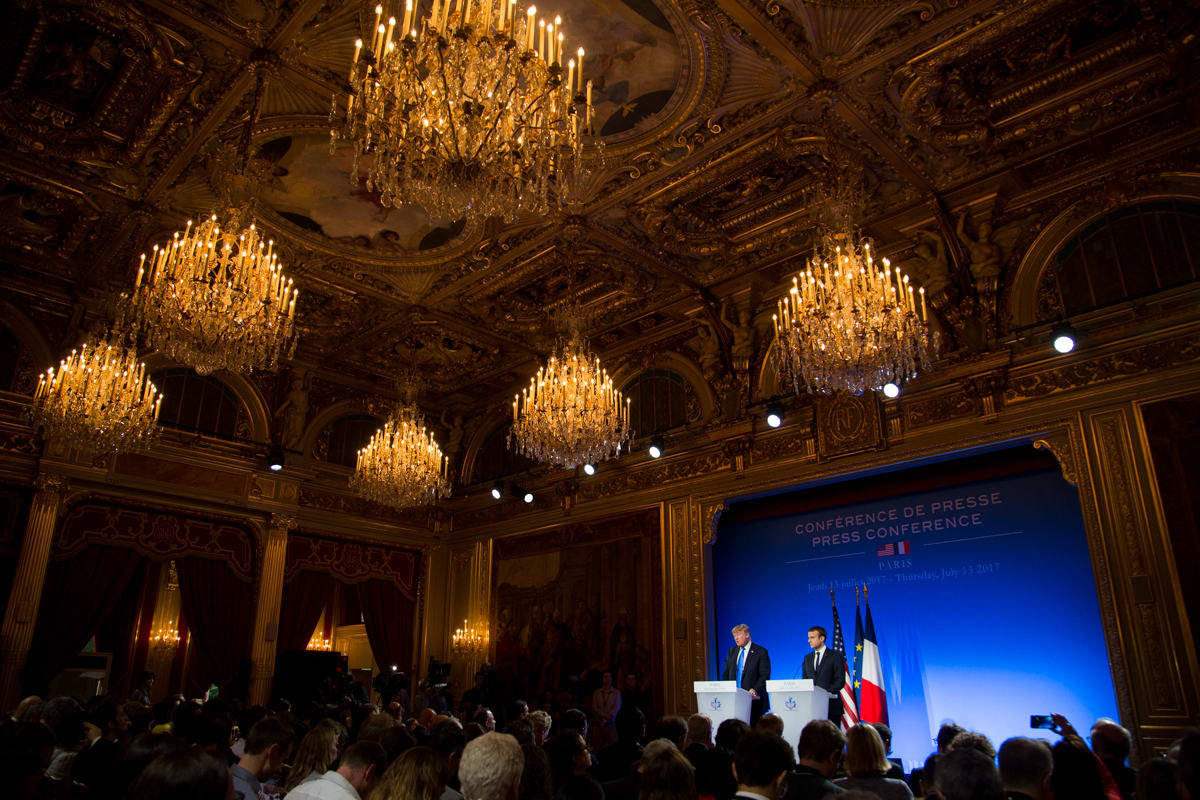
In a televised press conference held at the Élysée Palace, President Emmanuel Macron labeled the disturbances as “nothing justifies such violence.” He pledged increased police presence and targeted arrests, yet stopped short of invoking the état d’urgence (state of emergency) that France used during the 2015 terrorist attacks and the 2023 pension protests.
"We condemn every act of destruction and intimidation. Our democratic institutions will not be undermined, but we will also not suspend the freedoms that define the Republic," Macron said.
Macron’s restraint has sparked debate among political analysts: some view it as a strategic avoidance of further radicalisation, while others argue it may embolden rioters who perceive a lack of decisive authority.
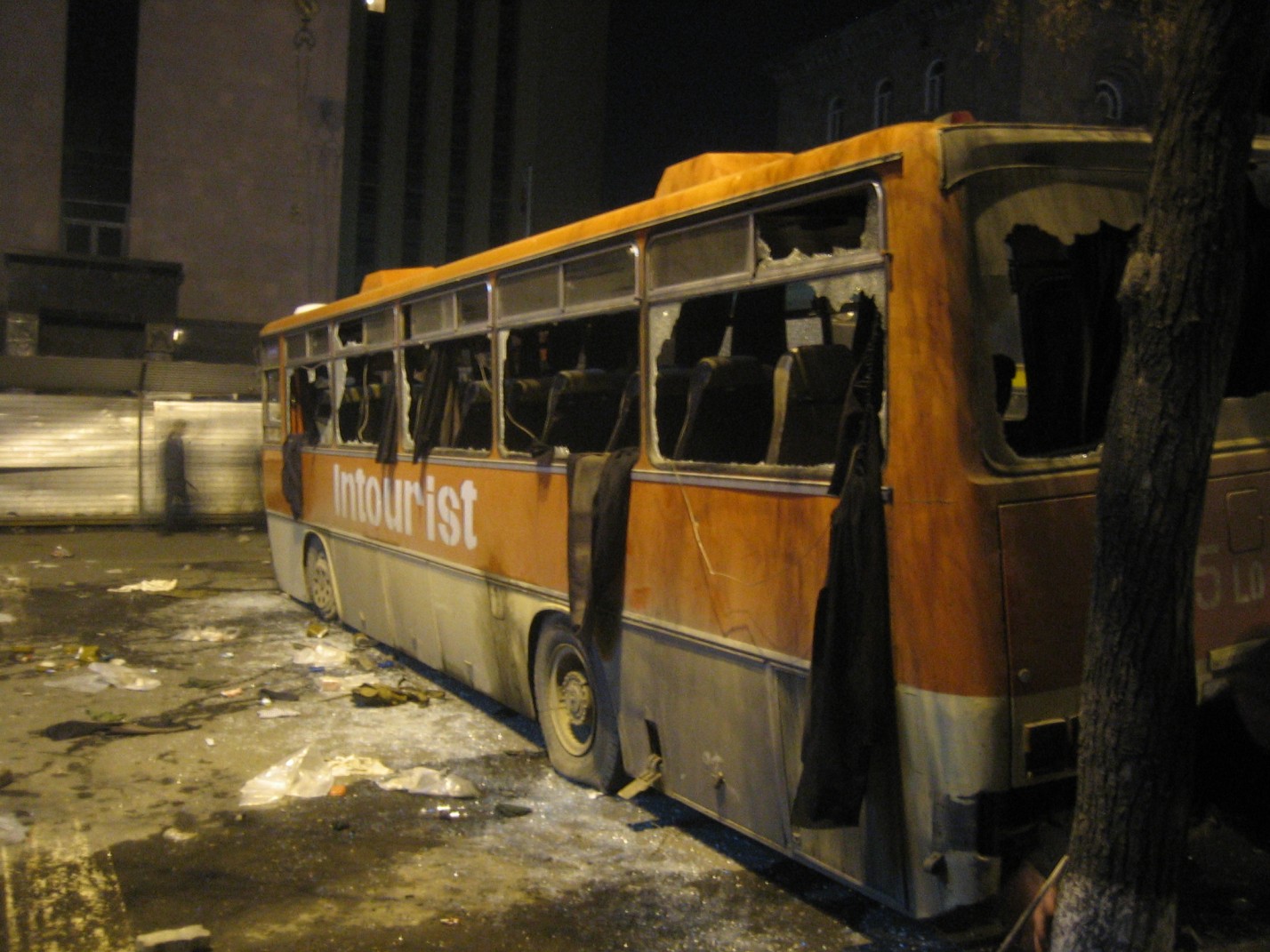 French protestors clashing with police
Why the Story is Trending on Google
The story’s rapid climb on Google Trends can be attributed to three converging factors:
- Real‑time visual evidence – Smartphone footage uploaded by on‑the‑ground participants spreads across platforms within minutes.
- Political timing – With the European Parliament elections looming in June, any sign of domestic instability is amplified by international media.
- Historical echo – Memories of the 2023 nationwide protests remain fresh; citizens and journalists alike are scanning for signs of a repeat scenario.
Search spikes for terms like “Macron emergency” and “France police response” reflect public curiosity about whether the government will resort to harsher measures.
Historical Context of French Civil Unrest
France has a storied legacy of mass protest, from the May 1968 student uprisings to the 2018–19 Yellow‑vests movement. Each wave has forced the state to recalibrate its approach to public order. Notably, the 2023 pension‑reform riots prompted a four‑month state of emergency, during which curfews and identity‑checks were imposed.
Macron’s current stance diverges from that precedent, signalling a possible shift toward targeted policing rather than blanket restrictions. This could be a response to criticism that broad emergency powers erode civil liberties and fuel anti‑government sentiment.
Socio‑Political Ramifications
- Law‑Enforcement Strategy – Police chiefs are now tasked with deploying rapid‑response units while avoiding the perception of an occupying force. The balance between deterrence and provocation will be closely monitored.
- Public Opinion – Polls conducted by IFOP show a 57% approval for Macron’s condemnation but a 42% belief that stronger measures are needed. This split may influence the centrist coalition’s positioning ahead of the elections.
- International Lens – European Union leaders are watching France’s handling of civil disorder as a barometer for the bloc’s internal stability. A misstep could embolden separatist movements elsewhere in Europe.
Editorial Analysis & Future Outlook
Macron’s decision to condemn without declaring an emergency is a calculated gamble. By upholding democratic norms, he aims to de‑escalate tensions and prevent the narrative of a heavy‑handed regime—a narrative that proved politically costly in 2023. However, the absence of a decisive legal tool may limit the state’s capacity to pre‑empt further violence, especially if protests spread beyond the current hotspots.
Looking ahead, several scenarios could unfold:
- Containment Success – If targeted police actions and community outreach reduce the intensity of clashes, France could emerge with a reinforced democratic credibility, setting a template for other Western democracies facing similar unrest.
- Escalation Spiral – Should rioters perceive the response as weak, they may intensify tactics, forcing the government to reconsider emergency powers—potentially reigniting the civil‑liberty debate.
- Political Realignment – The handling of the riots will likely become a key campaign issue in the upcoming European elections, influencing voter sentiment toward parties advocating either stricter security or expanded civil rights.
In sum, Macron’s nuanced stance underscores the fragile equilibrium between security and liberty in contemporary France. The coming weeks will reveal whether this equilibrium can be maintained without sacrificing either pillar of the Republic.
Original Reporting & Source: India Today Top Stories

Discussion (0)
Sign in to join the discussion.
No comments yet. Be the first to start the conversation!