Umang Sisodia • • 6 min read • 1 view

Two Suspects Tied to Pakistani Radicalisation Unveiled: Priyank Kharge’s Claim Sparks Nationwide Debate
Listen to Article
Select a voice and press play
Two Suspects Tied to Pakistani Radicalisation Unveiled: Priyank Kharge’s Claim Sparks Nationwide Debate

Key Takeaways

  • Two individuals have been identified by senior BJP leader Priyank Kharge as linked to Pakistani radicalisation networks.
  • The revelation arrives amid heightened Indo‑Pak tensions and a broader crackdown on cross‑border terror financing.
  • Political parties, security agencies, and civil society are scrambling to verify the claims and assess the impact on domestic security policy.
  • Experts warn that the narrative could reshape India’s counter‑radicalisation strategy and influence upcoming electoral calculations.

The Unfolding Narrative

On October 18, 2026, Priyank Kharge, a senior minister in the Karnataka government and a prominent voice on national security, announced that two suspects had been identified as part of a larger Pakistani radicalisation mechanism operating within India. The statement, first reported by India Today Top Stories, quickly trended on Google Trends, spiking interest across the country.

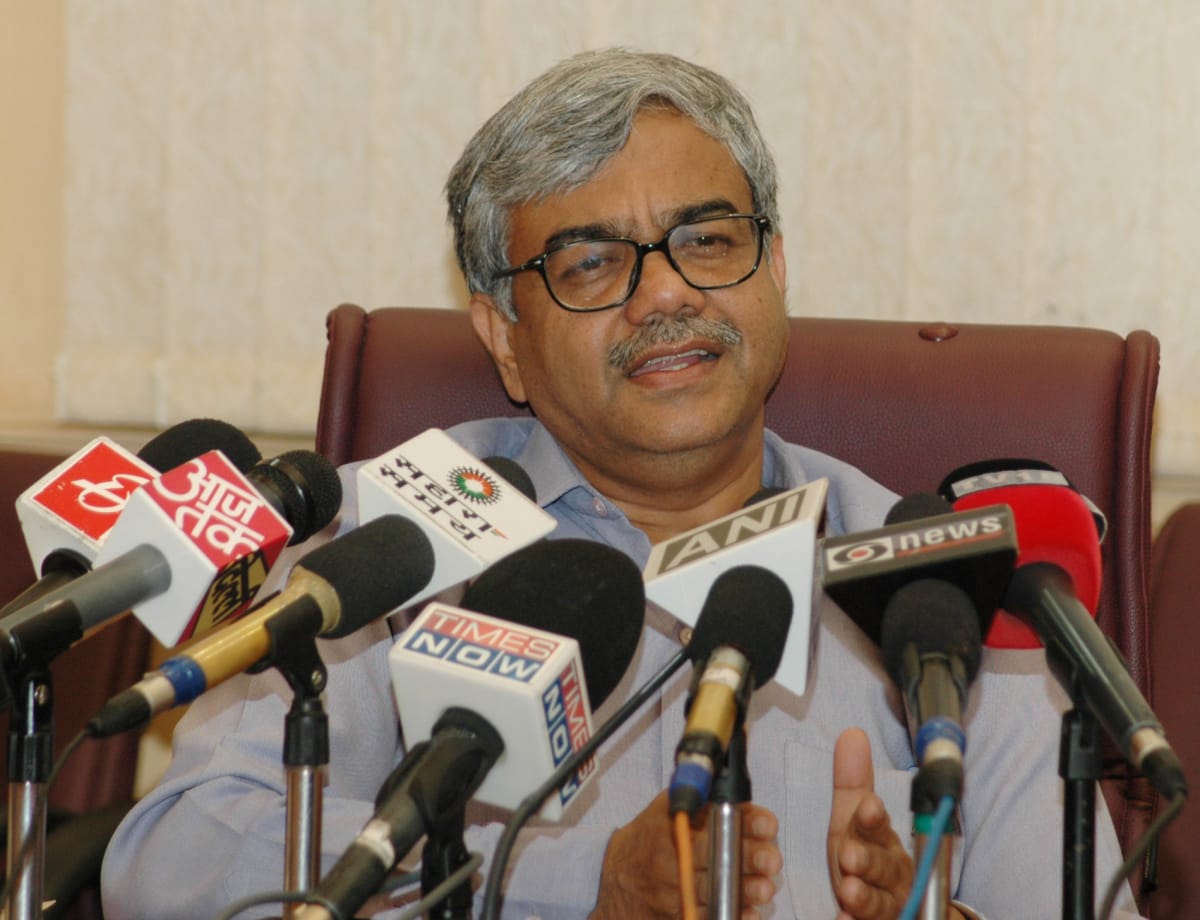
Kharge’s remarks came during a press briefing in Bengaluru, where he outlined that the suspects were allegedly recruited by a covert cell linked to Pakistan’s Inter‑Services Intelligence (ISI). According to the minister, the individuals were involved in online propaganda, fundraising, and logistical support for extremist outfits that have previously targeted Indian civilians.

The announcement has ignited a cascade of reactions:

  • Law enforcement agencies have launched a joint operation with the National Investigation Agency (NIA) to interrogate the suspects and trace their network.
  • Opposition parties have demanded transparent evidence, accusing the ruling coalition of politicising the issue ahead of the 2026 general elections.
  • Civil society groups warn against communal backlash, urging a measured approach that respects due process.

Who Is Priyank Kharge?

Priyank Kharge, son of veteran Congress leader Mallikarjun Kharge, switched allegiance to the Bharatiya Janata Party (BJP) in 2024 and was appointed Minister of State for Home Affairs in Karnataka. Known for his articulate speeches on internal security, Kharge has positioned himself as a hard‑line advocate against cross‑border terrorism.

His credibility stems from:

  • Years of experience in the Karnataka police cadre before entering politics.
  • Direct involvement in Operation Vighnaharta (2025), a successful crackdown on a home‑grown extremist cell in Mysore.
  • Close coordination with central agencies like the NIA and the Intelligence Bureau (IB).

Kharge’s latest claim leverages his reputation, but it also raises questions about the political timing. With the national elections slated for early 2027, any narrative that underscores external threats can serve as a rallying point for the incumbent government.

While the identities of the two suspects remain undisclosed for operational security, the minister disclosed the following details:

  • Suspect A is a 20‑year‑old IT graduate from Hyderabad, allegedly operating a Telegram channel that disseminated extremist literature in multiple Indian languages.
  • Suspect B is a 35‑year‑old small‑business owner from Lucknow, accused of channeling funds from overseas accounts linked to the ISI into local extremist outfits.

Both individuals are said to have been radicalised through a network of online influencers and clandestine training camps in Pakistan‑administered Kashmir. According to Kharge, digital forensics recovered encrypted communications that mapped a clear chain of command back to a senior ISI operative.

The suspects were apprehended last week in a coordinated raid involving the Delhi Police, Karnataka Special Task Force, and the NIA. Preliminary interrogations reportedly yielded confessions and digital evidence, though the investigation is still ongoing.
Delhi police evidence room Delhi police evidence room

Political Ripples Across Delhi and New Delhi

The revelation has reverberated through the corridors of power:

  • Prime Minister Narendra Modi praised the swift action, stating, "India will not tolerate any attempts to destabilise our nation, whether from within or across borders."
  • Opposition leader Rahul Gandhi demanded a parliamentary inquiry, arguing that the government must provide concrete proof rather than relying on ministerial statements.
  • State governments in Uttar Pradesh and Maharashtra have announced heightened surveillance of suspected radicalisation hotspots.

Analysts suggest that the timing could be strategic. With the 2026 state elections in Karnataka, Madhya Pradesh, and West Bengal approaching, the BJP may be seeking to consolidate its law‑and‑order narrative.

Security & Intelligence Implications

The identification of these suspects underscores several critical trends in India’s security landscape:

  1. Digital Radicalisation – The use of encrypted messaging apps and social media platforms to recruit and indoctrinate youth.
  2. Cross‑Border Financing – Sophisticated money‑laundering channels that exploit hawala networks and cryptocurrency.
  3. Hybrid Threats – A blend of cyber‑espionage, propaganda, and physical logistics orchestrated by foreign intelligence services.

Security experts, such as former IB chief R. N. Singh, argue that inter‑agency coordination must be bolstered. He recommends:

  • Creating a National Counter‑Radicalisation Taskforce with representatives from the Ministry of Home Affairs, Ministry of External Affairs, and the Ministry of Information & Broadcasting.
  • Enhancing digital forensics capabilities within state police forces.
  • Launching community outreach programs to counter extremist narratives at the grassroots level.

Public Reaction & Media Coverage

Social media platforms lit up with a mix of supportive and skeptical voices. Hashtags like #RadicalisationAlert and #SecureIndia trended alongside #KhargeClaims.

  • Supporters hailed the move as a decisive step against terrorism, sharing videos of the press conference and praising the government’s vigilance.
  • Critics warned of potential communal fallout, citing past instances where allegations of foreign‑linked terrorism have been misused to target minority communities.

Mainstream outlets—The Hindu, Times of India, BBC News—have provided in‑depth coverage, while think‑tanks such as the Observer Research Foundation (ORF) released policy briefs analysing the broader implications for Indo‑Pak relations.

Editorial Analysis & Future Outlook

The identification of two suspects linked to Pakistani radicalisation mechanisms marks a pivotal moment in India’s ongoing battle against transnational terrorism. While the immediate operational success showcases the efficacy of joint intelligence efforts, the long‑term ramifications are far more nuanced.

Strategic Impact – If the evidence substantiates the minister’s claims, it could justify a hardening of India’s counter‑terrorism posture, potentially leading to stricter cyber‑laws, expanded surveillance, and more aggressive diplomatic pressure on Pakistan. Conversely, any missteps—such as premature public accusations without transparent proof—risk eroding civil liberties and fueling communal tensions.

Political Calculus – As the 2027 general elections loom, the narrative of external threats may serve as a political lever for the ruling coalition. However, opposition parties are poised to challenge the veracity of the claims, demanding parliamentary oversight. The ensuing debate could shape the security discourse that dominates electoral campaigns.

Policy Recommendations – To translate this episode into lasting security gains, India should:

  • Institutionalise multi‑agency data sharing to pre‑empt radicalisation pipelines.
  • Invest in digital literacy programmes that inoculate vulnerable youth against extremist propaganda.
  • Pursue track‑II diplomatic dialogues with Pakistan to address the root causes of cross‑border radicalisation, while maintaining a firm stance on accountability.

In sum, the saga of the two suspects is more than a headline—it is a litmus test for India’s capacity to balance national security, democratic norms, and regional stability. The coming weeks will reveal whether this revelation becomes a catalyst for comprehensive reform or merely a fleeting political flashpoint.


Original Reporting & Source: India Today Top Stories

Discussion (0)

Sign in to join the discussion.

No comments yet. Be the first to start the conversation!

| |

Two Suspects Tied to Pakistani Radicalisation Unveiled: Priyank Kharge’s Claim Sparks Nationwide Debate

By Umang Sisodia • 6 min read • 1 view

Key Takeaways

  • Two individuals have been identified by senior BJP leader Priyank Kharge as linked to Pakistani radicalisation networks.
  • The revelation arrives amid heightened Indo‑Pak tensions and a broader crackdown on cross‑border terror financing.
  • Political parties, security agencies, and civil society are scrambling to verify the claims and assess the impact on domestic security policy.
  • Experts warn that the narrative could reshape India’s counter‑radicalisation strategy and influence upcoming electoral calculations.

The Unfolding Narrative

On October 18, 2026, Priyank Kharge, a senior minister in the Karnataka government and a prominent voice on national security, announced that two suspects had been identified as part of a larger Pakistani radicalisation mechanism operating within India. The statement, first reported by India Today Top Stories, quickly trended on Google Trends, spiking interest across the country.

Kharge’s remarks came during a press briefing in Bengaluru, where he outlined that the suspects were allegedly recruited by a covert cell linked to Pakistan’s Inter‑Services Intelligence (ISI). According to the minister, the individuals were involved in online propaganda, fundraising, and logistical support for extremist outfits that have previously targeted Indian civilians.

The announcement has ignited a cascade of reactions:

  • Law enforcement agencies have launched a joint operation with the National Investigation Agency (NIA) to interrogate the suspects and trace their network.
  • Opposition parties have demanded transparent evidence, accusing the ruling coalition of politicising the issue ahead of the 2026 general elections.
  • Civil society groups warn against communal backlash, urging a measured approach that respects due process.

Who Is Priyank Kharge?

Priyank Kharge, son of veteran Congress leader Mallikarjun Kharge, switched allegiance to the Bharatiya Janata Party (BJP) in 2024 and was appointed Minister of State for Home Affairs in Karnataka. Known for his articulate speeches on internal security, Kharge has positioned himself as a hard‑line advocate against cross‑border terrorism.

His credibility stems from:

  • Years of experience in the Karnataka police cadre before entering politics.
  • Direct involvement in Operation Vighnaharta (2025), a successful crackdown on a home‑grown extremist cell in Mysore.
  • Close coordination with central agencies like the NIA and the Intelligence Bureau (IB).

Kharge’s latest claim leverages his reputation, but it also raises questions about the political timing. With the national elections slated for early 2027, any narrative that underscores external threats can serve as a rallying point for the incumbent government.

While the identities of the two suspects remain undisclosed for operational security, the minister disclosed the following details:

  • Suspect A is a 20‑year‑old IT graduate from Hyderabad, allegedly operating a Telegram channel that disseminated extremist literature in multiple Indian languages.
  • Suspect B is a 35‑year‑old small‑business owner from Lucknow, accused of channeling funds from overseas accounts linked to the ISI into local extremist outfits.

Both individuals are said to have been radicalised through a network of online influencers and clandestine training camps in Pakistan‑administered Kashmir. According to Kharge, digital forensics recovered encrypted communications that mapped a clear chain of command back to a senior ISI operative.

The suspects were apprehended last week in a coordinated raid involving the Delhi Police, Karnataka Special Task Force, and the NIA. Preliminary interrogations reportedly yielded confessions and digital evidence, though the investigation is still ongoing.

Delhi police evidence room Delhi police evidence room

Political Ripples Across Delhi and New Delhi

The revelation has reverberated through the corridors of power:

  • Prime Minister Narendra Modi praised the swift action, stating, "India will not tolerate any attempts to destabilise our nation, whether from within or across borders."
  • Opposition leader Rahul Gandhi demanded a parliamentary inquiry, arguing that the government must provide concrete proof rather than relying on ministerial statements.
  • State governments in Uttar Pradesh and Maharashtra have announced heightened surveillance of suspected radicalisation hotspots.

Analysts suggest that the timing could be strategic. With the 2026 state elections in Karnataka, Madhya Pradesh, and West Bengal approaching, the BJP may be seeking to consolidate its law‑and‑order narrative.

Security & Intelligence Implications

The identification of these suspects underscores several critical trends in India’s security landscape:

  1. Digital Radicalisation – The use of encrypted messaging apps and social media platforms to recruit and indoctrinate youth.
  2. Cross‑Border Financing – Sophisticated money‑laundering channels that exploit hawala networks and cryptocurrency.
  3. Hybrid Threats – A blend of cyber‑espionage, propaganda, and physical logistics orchestrated by foreign intelligence services.

Security experts, such as former IB chief R. N. Singh, argue that inter‑agency coordination must be bolstered. He recommends:

  • Creating a National Counter‑Radicalisation Taskforce with representatives from the Ministry of Home Affairs, Ministry of External Affairs, and the Ministry of Information & Broadcasting.
  • Enhancing digital forensics capabilities within state police forces.
  • Launching community outreach programs to counter extremist narratives at the grassroots level.

Public Reaction & Media Coverage

Social media platforms lit up with a mix of supportive and skeptical voices. Hashtags like #RadicalisationAlert and #SecureIndia trended alongside #KhargeClaims.

  • Supporters hailed the move as a decisive step against terrorism, sharing videos of the press conference and praising the government’s vigilance.
  • Critics warned of potential communal fallout, citing past instances where allegations of foreign‑linked terrorism have been misused to target minority communities.

Mainstream outlets—The Hindu, Times of India, BBC News—have provided in‑depth coverage, while think‑tanks such as the Observer Research Foundation (ORF) released policy briefs analysing the broader implications for Indo‑Pak relations.

Editorial Analysis & Future Outlook

The identification of two suspects linked to Pakistani radicalisation mechanisms marks a pivotal moment in India’s ongoing battle against transnational terrorism. While the immediate operational success showcases the efficacy of joint intelligence efforts, the long‑term ramifications are far more nuanced.

Strategic Impact – If the evidence substantiates the minister’s claims, it could justify a hardening of India’s counter‑terrorism posture, potentially leading to stricter cyber‑laws, expanded surveillance, and more aggressive diplomatic pressure on Pakistan. Conversely, any missteps—such as premature public accusations without transparent proof—risk eroding civil liberties and fueling communal tensions.

Political Calculus – As the 2027 general elections loom, the narrative of external threats may serve as a political lever for the ruling coalition. However, opposition parties are poised to challenge the veracity of the claims, demanding parliamentary oversight. The ensuing debate could shape the security discourse that dominates electoral campaigns.

Policy Recommendations – To translate this episode into lasting security gains, India should:

  • Institutionalise multi‑agency data sharing to pre‑empt radicalisation pipelines.
  • Invest in digital literacy programmes that inoculate vulnerable youth against extremist propaganda.
  • Pursue track‑II diplomatic dialogues with Pakistan to address the root causes of cross‑border radicalisation, while maintaining a firm stance on accountability.

In sum, the saga of the two suspects is more than a headline—it is a litmus test for India’s capacity to balance national security, democratic norms, and regional stability. The coming weeks will reveal whether this revelation becomes a catalyst for comprehensive reform or merely a fleeting political flashpoint.


Original Reporting & Source: India Today Top Stories