Umang Sisodia • • 6 min read • 1 view

Houthi Threat Escalates: Saudi Arabia Delays Flagship Investment Summit Amid New Attack Claims
Listen to Article
Select a voice and press play
Houthi Threat Escalates: Saudi Arabia Delays Flagship Investment Summit Amid New Attack Claims

Key Takeaways

  • Fresh Houthi claims of a missile/drone strike in Saudi Arabia have forced the Kingdom to postpone its marquee Future Investment Initiative (FII) summit.
  • The attack underscores the widening Red Sea security dilemma and the vulnerability of Saudi critical infrastructure.
  • Postponement sends a cautionary signal to global investors about geopolitical risk, potentially reshaping capital flows to the Gulf.
  • Long‑term, Saudi Arabia may accelerate its defence diversification and seek deeper security partnerships with the West and regional allies.

Introduction

The Saudi Arabian investment community was gearing up for the much‑anticipated Future Investment Initiative (FII) summit – a showcase of the Kingdom’s Vision 2030 diversification agenda. Within hours of the event’s scheduled start, the Saudi government announced a postponement, citing fresh claims from Yemen’s Houthi rebels of a missile or drone attack on Saudi territory. The abrupt decision reverberated across global markets, diplomatic circles, and the tech‑startup ecosystem that had converged on Riyadh.

The Houthi Threat Landscape

Since 2015, the Iran‑backed Houthi movement has transitioned from a guerrilla insurgency to a semi‑conventional force capable of striking deep into Saudi Arabia’s maritime and aerial domains. Their arsenal now includes Russian‑made Kalibr cruise missiles, Iranian‑supplied drones, and a growing proficiency in electronic warfare.

"The Red Sea has become a contested corridor where state and non‑state actors test each other's resolve," noted Dr. Leila Al‑Saadi, senior fellow at the Middle East Institute.

Recent intelligence reports confirm that Houthi units have established launch sites within a 150‑km radius of the Saudi border, enabling rapid strike capabilities against oil facilities, ports, and even high‑value urban targets. The latest claim – a missile intercept over the Eastern Province – is the first publicly acknowledged incident since the August 2023 drone attacks on Saudi oil tankers.

Why the Summit Was Critical

The FII summit, often dubbed the “Davos of the Middle East,” gathers sovereign wealth funds, venture capitalists, and multinational CEOs to explore investment opportunities in renewable energy, tourism, and digital economies. For Saudi Arabia, the summit is more than a branding exercise; it is a litmus test for the credibility of Vision 2030, which aims to reduce oil‑dependence by 2030.

Key objectives of the summit include:

  • Securing $200 billion in new foreign direct investment (FDI) commitments.
  • Showcasing the Kingdom’s emerging tech hubs in Riyadh and NEOM.
  • Reinforcing strategic partnerships with the United States, Europe, and East Asian economies.

The postponement, therefore, threatens to stall momentum on multi‑billion‑dollar projects and could erode investor confidence in the Kingdom’s ability to guarantee a stable operating environment.

Immediate Repercussions of the Postponement

Financial Markets

  • Saudi stock index (TASI) slipped 1.2% in early trade, reflecting heightened risk aversion.
  • Oil prices rose modestly, as traders priced in potential supply disruptions from possible future attacks on export terminals.
  • Venture capital flows to Gulf‑based startups saw a short‑term dip, with several funds opting to delay capital calls.

Diplomatic Fallout

  • The United States and United Kingdom issued joint statements reaffirming their commitment to Saudi security, while urging restraint from all parties in the Red Sea.
  • Iran, a known backer of the Houthis, denied involvement but warned of “unjustified aggression” against Yemen’s legitimate resistance.

Domestic Response

Saudi authorities activated the National Guard’s rapid‑response units and heightened air‑defence alerts across the Eastern Province. The Ministry of Interior also imposed temporary travel restrictions around the Riyadh International Convention Center, the slated venue for FII.
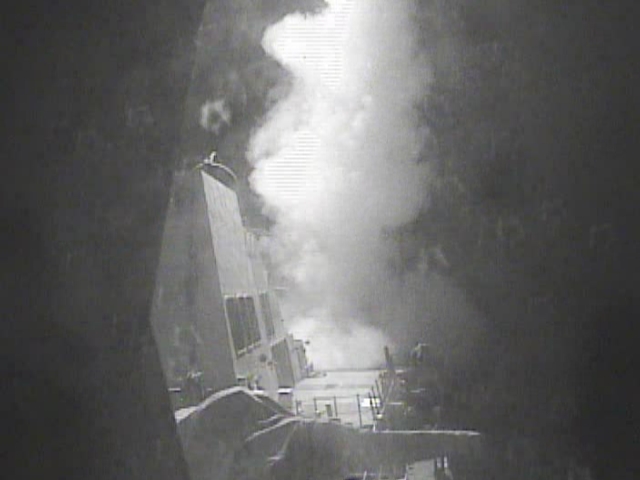
Houthi missile launch Red Sea Houthi missile launch Red Sea

Regional and Global Reactions

Gulf Cooperation Council (GCC)

Member states expressed solidarity with Riyadh, emphasizing a collective security framework. Oman, traditionally neutral, called for an “immediate cease‑fire” and offered to mediate humanitarian corridors.

International Investors

Prominent investors such as SoftBank Vision Fund, BlackRock, and the Public Investment Fund (PIF) released statements acknowledging the postponement but reaffirming long‑term confidence in Saudi reforms. However, analysts at Bloomberg Intelligence warned that “repeated security shocks could compress the risk premium on Gulf sovereign bonds.”

Media Narrative

Global headlines oscillated between “Houthi Threat Escalates” and “Saudi Vision 2030 Faces New Test.” The narrative shift underscores how security incidents can dominate economic storylines, especially when they intersect with high‑profile events.

Economic Implications

Short‑Term Capital Outflow

The immediate effect is a modest capital outflow from Saudi‑listed equities and a temporary slowdown in pipeline project financing. Infrastructure projects linked to the summit – such as the Riyadh Metro expansion and NEOM’s renewable‑energy pilot – may experience funding delays.

Long‑Term Strategic Adjustments

Saudi Arabia is likely to accelerate its defence‑industrialisation agenda, a core pillar of Vision 2030, by:

  • Expanding local missile‑defence production under the “Saudi Arabian Military Industries” (SAMI) program.
  • Deepening security cooperation with the United States through the “Strategic Partnership Framework” signed in 2022.
  • Investing in cyber‑defence capabilities to protect critical energy infrastructure.

Investor Sentiment Re‑Calibration

While the postponement is a setback, many investors view it as a one‑off disruption rather than a systemic risk. The Kingdom’s fiscal buffers, robust sovereign wealth fund, and ongoing diversification projects provide a cushion. Nonetheless, the episode may prompt investors to demand stronger ESG (environment, social, governance) risk assessments, particularly around geopolitical stability.

Editorial Analysis & Future Outlook

The Houthi claim and the subsequent postponement of Saudi Arabia’s flagship investment summit illustrate a classic convergence of security and economics in the Gulf. Historically, the Kingdom has weathered regional conflicts by leveraging its oil wealth and diplomatic clout. However, the evolving nature of Houthi capabilities—especially their ability to strike high‑value targets far from the Yemeni front—poses a new strategic calculus.

In the next 12‑18 months, we can anticipate three intertwined trajectories:

  1. Heightened Defence Spending – Saudi Arabia will likely allocate a larger share of its Vision 2030 budget to missile‑defence systems, UAV counter‑measures, and naval patrols in the Red Sea.
  2. Re‑shaped Investment Calendar – Global investors may stagger capital deployment, favouring projects with built‑in security contingencies and diversified geographic exposure.
  3. Diplomatic Realignment – Expect deeper trilateral security dialogues involving the United States, United Kingdom, and Gulf states, potentially culminating in a Red Sea security coalition.

The postponement, while disruptive, could paradoxically reinforce Saudi Arabia’s resolve to demonstrate resilience. By addressing the security gap and communicating a clear mitigation roadmap, Riyadh can restore confidence and perhaps even emerge with a more robust, risk‑aware investment ecosystem.

The long‑term lesson for the broader Middle East is clear: Geopolitical volatility will increasingly dictate capital flows, and nations that proactively integrate security considerations into their economic strategies will be better positioned to attract and retain foreign investment.


Author’s note: This analysis draws on open‑source intelligence, official statements, and expert commentary as of October 2026.


Original Reporting & Source: ABP Live Top News

Discussion (0)

Sign in to join the discussion.

No comments yet. Be the first to start the conversation!

| |

Houthi Threat Escalates: Saudi Arabia Delays Flagship Investment Summit Amid New Attack Claims

By Umang Sisodia • 6 min read • 1 view

Key Takeaways

  • Fresh Houthi claims of a missile/drone strike in Saudi Arabia have forced the Kingdom to postpone its marquee Future Investment Initiative (FII) summit.
  • The attack underscores the widening Red Sea security dilemma and the vulnerability of Saudi critical infrastructure.
  • Postponement sends a cautionary signal to global investors about geopolitical risk, potentially reshaping capital flows to the Gulf.
  • Long‑term, Saudi Arabia may accelerate its defence diversification and seek deeper security partnerships with the West and regional allies.

Introduction

The Saudi Arabian investment community was gearing up for the much‑anticipated Future Investment Initiative (FII) summit – a showcase of the Kingdom’s Vision 2030 diversification agenda. Within hours of the event’s scheduled start, the Saudi government announced a postponement, citing fresh claims from Yemen’s Houthi rebels of a missile or drone attack on Saudi territory. The abrupt decision reverberated across global markets, diplomatic circles, and the tech‑startup ecosystem that had converged on Riyadh.

The Houthi Threat Landscape

Since 2015, the Iran‑backed Houthi movement has transitioned from a guerrilla insurgency to a semi‑conventional force capable of striking deep into Saudi Arabia’s maritime and aerial domains. Their arsenal now includes Russian‑made Kalibr cruise missiles, Iranian‑supplied drones, and a growing proficiency in electronic warfare.

"The Red Sea has become a contested corridor where state and non‑state actors test each other's resolve," noted Dr. Leila Al‑Saadi, senior fellow at the Middle East Institute.

Recent intelligence reports confirm that Houthi units have established launch sites within a 150‑km radius of the Saudi border, enabling rapid strike capabilities against oil facilities, ports, and even high‑value urban targets. The latest claim – a missile intercept over the Eastern Province – is the first publicly acknowledged incident since the August 2023 drone attacks on Saudi oil tankers.

Why the Summit Was Critical

The FII summit, often dubbed the “Davos of the Middle East,” gathers sovereign wealth funds, venture capitalists, and multinational CEOs to explore investment opportunities in renewable energy, tourism, and digital economies. For Saudi Arabia, the summit is more than a branding exercise; it is a litmus test for the credibility of Vision 2030, which aims to reduce oil‑dependence by 2030.

Key objectives of the summit include:

  • Securing $200 billion in new foreign direct investment (FDI) commitments.
  • Showcasing the Kingdom’s emerging tech hubs in Riyadh and NEOM.
  • Reinforcing strategic partnerships with the United States, Europe, and East Asian economies.

The postponement, therefore, threatens to stall momentum on multi‑billion‑dollar projects and could erode investor confidence in the Kingdom’s ability to guarantee a stable operating environment.

Immediate Repercussions of the Postponement

Financial Markets

  • Saudi stock index (TASI) slipped 1.2% in early trade, reflecting heightened risk aversion.
  • Oil prices rose modestly, as traders priced in potential supply disruptions from possible future attacks on export terminals.
  • Venture capital flows to Gulf‑based startups saw a short‑term dip, with several funds opting to delay capital calls.

Diplomatic Fallout

  • The United States and United Kingdom issued joint statements reaffirming their commitment to Saudi security, while urging restraint from all parties in the Red Sea.
  • Iran, a known backer of the Houthis, denied involvement but warned of “unjustified aggression” against Yemen’s legitimate resistance.

Domestic Response

Saudi authorities activated the National Guard’s rapid‑response units and heightened air‑defence alerts across the Eastern Province. The Ministry of Interior also imposed temporary travel restrictions around the Riyadh International Convention Center, the slated venue for FII.

Houthi missile launch Red Sea Houthi missile launch Red Sea

Regional and Global Reactions

Gulf Cooperation Council (GCC)

Member states expressed solidarity with Riyadh, emphasizing a collective security framework. Oman, traditionally neutral, called for an “immediate cease‑fire” and offered to mediate humanitarian corridors.

International Investors

Prominent investors such as SoftBank Vision Fund, BlackRock, and the Public Investment Fund (PIF) released statements acknowledging the postponement but reaffirming long‑term confidence in Saudi reforms. However, analysts at Bloomberg Intelligence warned that “repeated security shocks could compress the risk premium on Gulf sovereign bonds.”

Media Narrative

Global headlines oscillated between “Houthi Threat Escalates” and “Saudi Vision 2030 Faces New Test.” The narrative shift underscores how security incidents can dominate economic storylines, especially when they intersect with high‑profile events.

Economic Implications

Short‑Term Capital Outflow

The immediate effect is a modest capital outflow from Saudi‑listed equities and a temporary slowdown in pipeline project financing. Infrastructure projects linked to the summit – such as the Riyadh Metro expansion and NEOM’s renewable‑energy pilot – may experience funding delays.

Long‑Term Strategic Adjustments

Saudi Arabia is likely to accelerate its defence‑industrialisation agenda, a core pillar of Vision 2030, by:

  • Expanding local missile‑defence production under the “Saudi Arabian Military Industries” (SAMI) program.
  • Deepening security cooperation with the United States through the “Strategic Partnership Framework” signed in 2022.
  • Investing in cyber‑defence capabilities to protect critical energy infrastructure.

Investor Sentiment Re‑Calibration

While the postponement is a setback, many investors view it as a one‑off disruption rather than a systemic risk. The Kingdom’s fiscal buffers, robust sovereign wealth fund, and ongoing diversification projects provide a cushion. Nonetheless, the episode may prompt investors to demand stronger ESG (environment, social, governance) risk assessments, particularly around geopolitical stability.

Editorial Analysis & Future Outlook

The Houthi claim and the subsequent postponement of Saudi Arabia’s flagship investment summit illustrate a classic convergence of security and economics in the Gulf. Historically, the Kingdom has weathered regional conflicts by leveraging its oil wealth and diplomatic clout. However, the evolving nature of Houthi capabilities—especially their ability to strike high‑value targets far from the Yemeni front—poses a new strategic calculus.

In the next 12‑18 months, we can anticipate three intertwined trajectories:

  1. Heightened Defence Spending – Saudi Arabia will likely allocate a larger share of its Vision 2030 budget to missile‑defence systems, UAV counter‑measures, and naval patrols in the Red Sea.
  2. Re‑shaped Investment Calendar – Global investors may stagger capital deployment, favouring projects with built‑in security contingencies and diversified geographic exposure.
  3. Diplomatic Realignment – Expect deeper trilateral security dialogues involving the United States, United Kingdom, and Gulf states, potentially culminating in a Red Sea security coalition.

The postponement, while disruptive, could paradoxically reinforce Saudi Arabia’s resolve to demonstrate resilience. By addressing the security gap and communicating a clear mitigation roadmap, Riyadh can restore confidence and perhaps even emerge with a more robust, risk‑aware investment ecosystem.

The long‑term lesson for the broader Middle East is clear: Geopolitical volatility will increasingly dictate capital flows, and nations that proactively integrate security considerations into their economic strategies will be better positioned to attract and retain foreign investment.


Author’s note: This analysis draws on open‑source intelligence, official statements, and expert commentary as of October 2026.


Original Reporting & Source: ABP Live Top News