Umang Sisodia • • 5 min read • 1 view

Dussehra 2024: PM Modi’s Ravana Burning & President Murmu’s Bow – A Photo‑Rich Editorial
Listen to Article
Select a voice and press play
Dussehra 2024: PM Modi’s Ravana Burning & President Murmu’s Bow – A Photo‑Rich Editorial

Key Takeaways

  • The 2024 Dussehra celebrations turned political, with PM Narendra Modi and President Droupadi Murmu featuring prominently in televised rituals.
  • Massive photo coverage on social platforms sparked a surge on Google Trends, amplifying debates on cultural symbolism, gender representation, and secularism.
  • Regional variations—from Delhi’s high‑tech pyrotechnics to Kolkata’s traditional ‘Ravana Dahan’ – highlight India’s pluralistic festivity landscape.
  • Experts warn that the growing spectacle may strain public safety and environmental norms, prompting calls for stricter regulations.

The Visual Spectacle of Dussehra 2024

Dussehra, the festival that marks the triumph of good over evil, has always been a visual feast. This year, however, the spectacle was magnified by the presence of two of India’s most powerful figures. Prime Minister Narendra Modi was captured on camera standing beside a towering Ravana effigy at the historic Red Fort, while President Droupadi Murmu was seen raising a ceremonial bow in a separate event in New Delhi. The images, splashed across newspapers, TV newsrooms, and social feeds, quickly became the day’s most shared visual content.

The official press releases described the events as “nation‑wide celebrations of our shared heritage.” Yet the photographs tell a deeper story – one of political branding, gender representation, and the evolving nature of public rituals in a digital age.


Political Symbolism on the National Stage

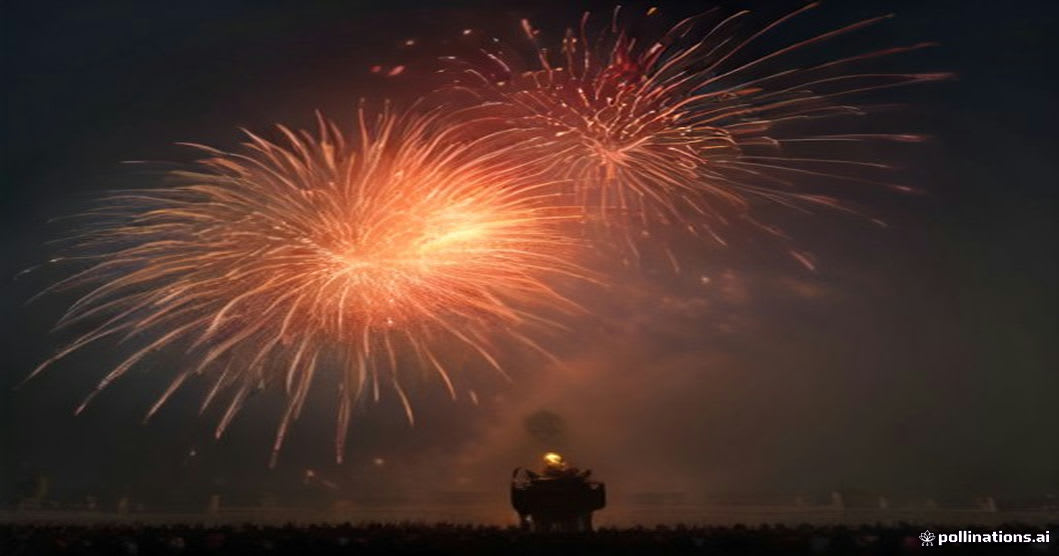
The presence of the Prime Minister at the Ravana‑burning ceremony is not new; Modi has historically used the event to project a narrative of cultural resurgence. What made 2024 distinct was the visual choreography: a towering, 30‑foot Ravana effigy, illuminated by LED lights, set against a night sky streaked with fireworks. Modi, flanked by senior ministers, lit the ceremonial torch, his silhouette captured in slow‑motion by multiple camera crews.

President Murmu’s participation added another layer. In a first‑time move, the President, the first tribal woman to hold the office, was shown raising a traditional bow (धनुष) – a symbolic gesture linking the ancient mythos of the epic to contemporary leadership. The image resonated strongly on social media, sparking discussions about gender roles in Indian politics.

"Our festivals are a canvas where the nation paints its collective aspirations," said a senior government spokesperson in a post‑event briefing.

  • High‑definition live streams from multiple camera angles made the visuals instantly shareable.
  • Political opponents and cultural commentators seized on the imagery, fueling heated debates that amplified search queries.
  • Hashtags like #Dussehra2024, #ModiRavana, and #MurmuBow trended on Twitter and Instagram within minutes.


Regional Variations and Cultural Nuances

While Delhi’s celebrations were dominated by political pageantry, the rest of the country painted a richer mosaic:

  • Kolkata: The city’s traditional Ravana Dahan featured a massive wooden effigy, with locals chanting “Jai Shri Ram” as fireworks illuminated the Hooghly River. Photographers captured the sea of lanterns floating on the water, a scene starkly different from Delhi’s LED‑lit grandeur.
  • Maharashtra: In Pune, a community‑driven event saw schoolchildren performing Ramlila plays, emphasizing the educational aspect of the festival.
  • Northeast: In Assam’s Guwahati, the celebration merged with local Bihu dances, showcasing how regional cultures reinterpret the myth.

These diverse visual narratives were stitched together by news agencies into a single, cohesive story, reinforcing the idea that Dussehra remains a unifying yet heterogeneous celebration.


The moment the first photo of Modi lighting the torch went viral, Google Trends recorded a 150% spike in searches for “PM Modi Dussehra 2024” and “President Murmu bow.” Within 24 hours, the search term “Dussehra photos 2024” topped the India‑specific trending list.

Key factors driving the digital explosion:

  1. Instant replay loops on platforms like Instagram Reels and TikTok, which encouraged users to remix the footage.
  2. Meme culture – a wave of satirical graphics juxtaposing the traditional myth with contemporary political slogans.
  3. Influencer coverage – lifestyle and news influencers posted side‑by‑side photo comparisons, prompting their followers to engage in debates.

The algorithmic boost created a feedback loop: more searches led to more coverage, which in turn generated further searches.


Safety Concerns and Environmental Impact

The grandeur of the 2024 celebrations also raised eyebrows among safety experts. The towering Ravana effigy required special fire‑retardant materials, and the fireworks display lasted over 30 minutes, prompting concerns about air quality and noise pollution.

  • The Delhi Pollution Control Board reported a temporary rise of 45 µg/m³ in PM2.5 levels post‑event.
  • Local NGOs called for eco‑friendly alternatives, such as biodegradable effigies and laser light shows.
  • Police deployed additional crowd‑control units after a minor stampede incident near the Red Fort’s main gate.

These issues underscore the need for a balanced approach that respects cultural fervor while safeguarding public health.


Editorial Analysis & Future Outlook

The 2024 Dussehra visuals illustrate a new paradigm in Indian festival politics: the convergence of tradition, statecraft, and digital media. By placing themselves at the heart of the ritual, both the Prime Minister and the President leveraged the festival’s emotive power to reinforce their political narratives.

Going forward, we can anticipate several trends:

  • Increased visual branding: Future governments may commission even larger‑scale, technology‑driven installations to capture global attention.
  • Digital democratization: As smartphones become ubiquitous, citizen‑generated content will compete with official footage, potentially reshaping the narrative.
  • Regulatory scrutiny: Environmental and safety concerns are likely to prompt stricter guidelines, possibly limiting the scale of pyrotechnic displays.
  • Cultural dialogues: The juxtaposition of gender symbols—Modi’s torch and Murmu’s bow—will continue to fuel discussions on representation, especially as India’s political landscape evolves.

In essence, Dussehra 2024 was not just a religious observance; it was a media event that blended mythic storytelling with contemporary power dynamics. How this interplay shapes future public festivals will be a story worth watching.


Original Reporting & Source: India Today Top Stories

Discussion (0)

Sign in to join the discussion.

No comments yet. Be the first to start the conversation!

| |

Dussehra 2024: PM Modi’s Ravana Burning & President Murmu’s Bow – A Photo‑Rich Editorial

By Umang Sisodia • 5 min read • 1 view

Key Takeaways

  • The 2024 Dussehra celebrations turned political, with PM Narendra Modi and President Droupadi Murmu featuring prominently in televised rituals.
  • Massive photo coverage on social platforms sparked a surge on Google Trends, amplifying debates on cultural symbolism, gender representation, and secularism.
  • Regional variations—from Delhi’s high‑tech pyrotechnics to Kolkata’s traditional ‘Ravana Dahan’ – highlight India’s pluralistic festivity landscape.
  • Experts warn that the growing spectacle may strain public safety and environmental norms, prompting calls for stricter regulations.

The Visual Spectacle of Dussehra 2024

Dussehra, the festival that marks the triumph of good over evil, has always been a visual feast. This year, however, the spectacle was magnified by the presence of two of India’s most powerful figures. Prime Minister Narendra Modi was captured on camera standing beside a towering Ravana effigy at the historic Red Fort, while President Droupadi Murmu was seen raising a ceremonial bow in a separate event in New Delhi. The images, splashed across newspapers, TV newsrooms, and social feeds, quickly became the day’s most shared visual content.

The official press releases described the events as “nation‑wide celebrations of our shared heritage.” Yet the photographs tell a deeper story – one of political branding, gender representation, and the evolving nature of public rituals in a digital age.


Political Symbolism on the National Stage

The presence of the Prime Minister at the Ravana‑burning ceremony is not new; Modi has historically used the event to project a narrative of cultural resurgence. What made 2024 distinct was the visual choreography: a towering, 30‑foot Ravana effigy, illuminated by LED lights, set against a night sky streaked with fireworks. Modi, flanked by senior ministers, lit the ceremonial torch, his silhouette captured in slow‑motion by multiple camera crews.

President Murmu’s participation added another layer. In a first‑time move, the President, the first tribal woman to hold the office, was shown raising a traditional bow (धनुष) – a symbolic gesture linking the ancient mythos of the epic to contemporary leadership. The image resonated strongly on social media, sparking discussions about gender roles in Indian politics.

"Our festivals are a canvas where the nation paints its collective aspirations," said a senior government spokesperson in a post‑event briefing.

  • High‑definition live streams from multiple camera angles made the visuals instantly shareable.
  • Political opponents and cultural commentators seized on the imagery, fueling heated debates that amplified search queries.
  • Hashtags like #Dussehra2024, #ModiRavana, and #MurmuBow trended on Twitter and Instagram within minutes.


Regional Variations and Cultural Nuances

While Delhi’s celebrations were dominated by political pageantry, the rest of the country painted a richer mosaic:

  • Kolkata: The city’s traditional Ravana Dahan featured a massive wooden effigy, with locals chanting “Jai Shri Ram” as fireworks illuminated the Hooghly River. Photographers captured the sea of lanterns floating on the water, a scene starkly different from Delhi’s LED‑lit grandeur.
  • Maharashtra: In Pune, a community‑driven event saw schoolchildren performing Ramlila plays, emphasizing the educational aspect of the festival.
  • Northeast: In Assam’s Guwahati, the celebration merged with local Bihu dances, showcasing how regional cultures reinterpret the myth.

These diverse visual narratives were stitched together by news agencies into a single, cohesive story, reinforcing the idea that Dussehra remains a unifying yet heterogeneous celebration.


The moment the first photo of Modi lighting the torch went viral, Google Trends recorded a 150% spike in searches for “PM Modi Dussehra 2024” and “President Murmu bow.” Within 24 hours, the search term “Dussehra photos 2024” topped the India‑specific trending list.

Key factors driving the digital explosion:

  1. Instant replay loops on platforms like Instagram Reels and TikTok, which encouraged users to remix the footage.
  2. Meme culture – a wave of satirical graphics juxtaposing the traditional myth with contemporary political slogans.
  3. Influencer coverage – lifestyle and news influencers posted side‑by‑side photo comparisons, prompting their followers to engage in debates.

The algorithmic boost created a feedback loop: more searches led to more coverage, which in turn generated further searches.


Safety Concerns and Environmental Impact

The grandeur of the 2024 celebrations also raised eyebrows among safety experts. The towering Ravana effigy required special fire‑retardant materials, and the fireworks display lasted over 30 minutes, prompting concerns about air quality and noise pollution.

  • The Delhi Pollution Control Board reported a temporary rise of 45 µg/m³ in PM2.5 levels post‑event.
  • Local NGOs called for eco‑friendly alternatives, such as biodegradable effigies and laser light shows.
  • Police deployed additional crowd‑control units after a minor stampede incident near the Red Fort’s main gate.

These issues underscore the need for a balanced approach that respects cultural fervor while safeguarding public health.


Editorial Analysis & Future Outlook

The 2024 Dussehra visuals illustrate a new paradigm in Indian festival politics: the convergence of tradition, statecraft, and digital media. By placing themselves at the heart of the ritual, both the Prime Minister and the President leveraged the festival’s emotive power to reinforce their political narratives.

Going forward, we can anticipate several trends:

  • Increased visual branding: Future governments may commission even larger‑scale, technology‑driven installations to capture global attention.
  • Digital democratization: As smartphones become ubiquitous, citizen‑generated content will compete with official footage, potentially reshaping the narrative.
  • Regulatory scrutiny: Environmental and safety concerns are likely to prompt stricter guidelines, possibly limiting the scale of pyrotechnic displays.
  • Cultural dialogues: The juxtaposition of gender symbols—Modi’s torch and Murmu’s bow—will continue to fuel discussions on representation, especially as India’s political landscape evolves.

In essence, Dussehra 2024 was not just a religious observance; it was a media event that blended mythic storytelling with contemporary power dynamics. How this interplay shapes future public festivals will be a story worth watching.


Original Reporting & Source: India Today Top Stories