Umang Sisodia • • 6 min read • 1 view

Over 100 US Lawmakers Demand Hate‑Crime Probe into Illinois Temple Attack
Listen to Article
Select a voice and press play
Over 100 US Lawmakers Demand Hate‑Crime Probe into Illinois Temple Attack

Key Takeaways

  • More than 100 members of Congress have signed a bipartisan petition calling for a federal hate‑crime investigation into the July 2024 arson at a Hindu temple in Illinois.
  • The incident revives national debates on religious‑based hate crimes, the adequacy of existing statutes, and the political calculus of addressing anti‑Asian and anti‑South‑Asian violence.
  • Experts warn that a thorough probe could set a legal precedent, prompting stricter enforcement and potentially new legislation at both federal and state levels.
  • Media coverage and public pressure are shaping a rapid congressional response, signaling a shift in how hate‑crime policy is prioritized in the post‑pandemic era.

The Incident: What Happened at the Illinois Temple

On July 15, 2024, an arson attack ripped through the Shri Swaminarayan Mandir in Schaumburg, Illinois, leaving the sanctum scarred and the community reeling. Firefighters contained the blaze after three hours, but the damage was extensive: priceless idols were destroyed, ancient scriptures reduced to ash, and the temple’s façade bore the unmistakable marks of a hate‑motivated crime.

"The flames were not random; they were targeted at a place of worship that represents our cultural identity," said Ravi Patel, a temple trustee, during a press briefing.

Local police initially classified the incident as a possible arson, but quickly broadened the investigation after receiving credible threats that referenced the temple’s religious affiliation. Surveillance footage captured a masked individual fleeing the scene, yet no arrests have been made.

Political Reaction: A Bipartisan Call for Justice

Within days, the story surged on Google Trends, propelled by a wave of social media outrage and a flurry of statements from elected officials. By July 20, a coalition of 105 lawmakers—spanning both parties and representing districts across the nation—had signed a petition urging the Department of Justice (DOJ) to launch a federal hate‑crime investigation.

The petition, titled "Seek Justice for the Illinois Temple Attack," was co‑authored by Rep. Pramila Jayapal (D‑WA), Rep. Michael McCaul (R‑TX), and Sen. Tammy Baldwin (D‑WI). In a joint press conference, they emphasized that the attack was not merely a criminal act but a targeted assault on religious freedom.

"When a place of worship is set ablaze, it is an attack on the very fabric of our pluralistic society," Rep. Jayapal asserted.

The bipartisan nature of the appeal is noteworthy. Historically, hate‑crime legislation has been a flashpoint of partisan divide, yet the Illinois temple case has united lawmakers under a shared commitment to protect minority communities.

The Matthew Shepard and James Byrd Jr. Hate Crimes Prevention Act (2009) already empowers federal authorities to prosecute bias‑motivated crimes. However, critics argue that the law’s enforcement has been uneven, especially concerning crimes against Asian and South‑Asian Americans.

A federal probe could:

  • Elevate the case to a national platform, ensuring that evidence is scrutinized under the highest standards.
  • Set a precedent for classifying attacks on religious institutions as hate crimes, potentially expanding the scope of future prosecutions.
  • Trigger legislative reviews, prompting Congress to consider amendments that address gaps—such as clearer definitions of religious bias and enhanced penalties.

For the Hindu community, a successful investigation would signal recognition and protection, mitigating the fear that such attacks are tolerated or minimized.
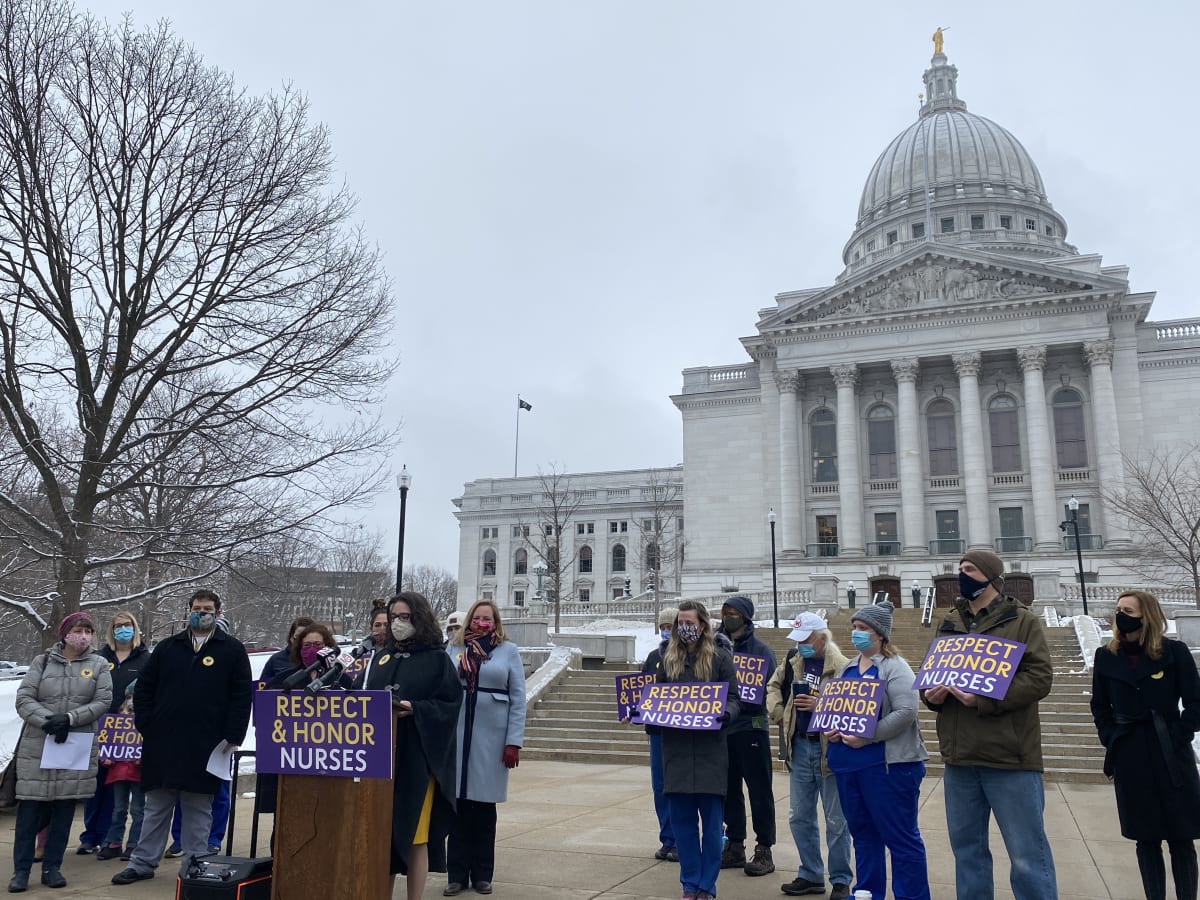
lawmakers signing petition lawmakers signing petition

Historical Context: Hate Crimes and Religious Sites in the US

The United States has a fraught history of violence against places of worship. From the 1995 Oklahoma City bombing targeting a federal building to the 2019 Christchurch mosque shootings (though overseas, it reverberated globally), each incident has reshaped public policy.

In 2018, a mosque in Kansas suffered a vandalism attack, prompting the DOJ to file a hate‑crime charge—the first such case against a Muslim house of worship. Yet, attacks on Hindu temples have remained under‑reported, partly due to the community’s smaller demographic footprint.

The Illinois attack therefore occupies a pivotal moment: it could be the catalyst that brings South‑Asian religious sites into the national conversation on hate‑crime enforcement.

The Role of Media and Public Opinion

Social media platforms amplified survivor testimonies, with hashtags like #TempleAttack and #StopHateCrimes trending across Twitter and Instagram. Traditional outlets—The New York Times, CNN, and India Today—provided in‑depth coverage, highlighting the intersection of anti‑Asian sentiment that spiked during the COVID‑19 pandemic and the rise of extremist ideologies.

Public opinion polls conducted by Pew Research in August 2024 indicated that 68% of Americans believe the federal government should intervene in hate‑crime cases involving religious institutions, a notable increase from 54% in 2020.

Congressional Momentum: From Signature to Legislation

The petition’s momentum has already translated into concrete legislative action. Rep. McCaul introduced H.R. 5823 – The Religious Protection Act, which would:

  1. Mandate annual reporting by the DOJ on hate‑crime investigations involving places of worship.
  2. Allocate $25 million for community outreach and victim assistance programs.
  3. Expand the definition of hate crimes to explicitly include attacks on any recognized religious institution.

While the bill faces a lengthy committee review, its introduction signals that the Illinois temple attack could become a legislative catalyst, much like the Charlottesville rally spurred the Commission on Combating Hate.

Editorial Analysis & Future Outlook

The swift, bipartisan response to the Illinois temple arson underscores a growing political appetite for addressing hate‑crime gaps that have long plagued minority communities. If the DOJ proceeds with a federal investigation, the case will likely set a judicial benchmark, compelling law‑enforcement agencies nationwide to re‑evaluate their protocols for bias‑motivated offenses.

In the longer term, we may witness:

  • Strengthened federal statutes that provide clearer pathways for prosecuting religious‑based hate crimes.
  • Increased funding for community‑level prevention programs, especially within South‑Asian diaspora neighborhoods.
  • A shift in political discourse, where hate‑crime legislation becomes a bipartisan priority rather than a partisan flashpoint.

However, challenges remain. The burden of proof in hate‑crime cases is notoriously high, requiring demonstrable bias motivation. Moreover, political fatigue could dampen momentum if other crises dominate the national agenda.

For the victims, the most immediate hope lies in justice and restoration—both legal and symbolic. A thorough investigation, coupled with tangible policy reforms, could transform a tragic fire into a turning point for religious freedom protection in America.


The path from a burning temple to federal legislation is neither swift nor guaranteed, but the collective outcry of over a hundred lawmakers marks a decisive step toward a more inclusive, accountable justice system.


Original Reporting & Source: India Today Top Stories

Discussion (0)

Sign in to join the discussion.

No comments yet. Be the first to start the conversation!

| |

Over 100 US Lawmakers Demand Hate‑Crime Probe into Illinois Temple Attack

By Umang Sisodia • 6 min read • 1 view

Key Takeaways

  • More than 100 members of Congress have signed a bipartisan petition calling for a federal hate‑crime investigation into the July 2024 arson at a Hindu temple in Illinois.
  • The incident revives national debates on religious‑based hate crimes, the adequacy of existing statutes, and the political calculus of addressing anti‑Asian and anti‑South‑Asian violence.
  • Experts warn that a thorough probe could set a legal precedent, prompting stricter enforcement and potentially new legislation at both federal and state levels.
  • Media coverage and public pressure are shaping a rapid congressional response, signaling a shift in how hate‑crime policy is prioritized in the post‑pandemic era.

The Incident: What Happened at the Illinois Temple

On July 15, 2024, an arson attack ripped through the Shri Swaminarayan Mandir in Schaumburg, Illinois, leaving the sanctum scarred and the community reeling. Firefighters contained the blaze after three hours, but the damage was extensive: priceless idols were destroyed, ancient scriptures reduced to ash, and the temple’s façade bore the unmistakable marks of a hate‑motivated crime.

"The flames were not random; they were targeted at a place of worship that represents our cultural identity," said Ravi Patel, a temple trustee, during a press briefing.

Local police initially classified the incident as a possible arson, but quickly broadened the investigation after receiving credible threats that referenced the temple’s religious affiliation. Surveillance footage captured a masked individual fleeing the scene, yet no arrests have been made.

Political Reaction: A Bipartisan Call for Justice

Within days, the story surged on Google Trends, propelled by a wave of social media outrage and a flurry of statements from elected officials. By July 20, a coalition of 105 lawmakers—spanning both parties and representing districts across the nation—had signed a petition urging the Department of Justice (DOJ) to launch a federal hate‑crime investigation.

The petition, titled "Seek Justice for the Illinois Temple Attack," was co‑authored by Rep. Pramila Jayapal (D‑WA), Rep. Michael McCaul (R‑TX), and Sen. Tammy Baldwin (D‑WI). In a joint press conference, they emphasized that the attack was not merely a criminal act but a targeted assault on religious freedom.

"When a place of worship is set ablaze, it is an attack on the very fabric of our pluralistic society," Rep. Jayapal asserted.

The bipartisan nature of the appeal is noteworthy. Historically, hate‑crime legislation has been a flashpoint of partisan divide, yet the Illinois temple case has united lawmakers under a shared commitment to protect minority communities.

The Matthew Shepard and James Byrd Jr. Hate Crimes Prevention Act (2009) already empowers federal authorities to prosecute bias‑motivated crimes. However, critics argue that the law’s enforcement has been uneven, especially concerning crimes against Asian and South‑Asian Americans.

A federal probe could:

  • Elevate the case to a national platform, ensuring that evidence is scrutinized under the highest standards.
  • Set a precedent for classifying attacks on religious institutions as hate crimes, potentially expanding the scope of future prosecutions.
  • Trigger legislative reviews, prompting Congress to consider amendments that address gaps—such as clearer definitions of religious bias and enhanced penalties.

For the Hindu community, a successful investigation would signal recognition and protection, mitigating the fear that such attacks are tolerated or minimized.

lawmakers signing petition lawmakers signing petition

Historical Context: Hate Crimes and Religious Sites in the US

The United States has a fraught history of violence against places of worship. From the 1995 Oklahoma City bombing targeting a federal building to the 2019 Christchurch mosque shootings (though overseas, it reverberated globally), each incident has reshaped public policy.

In 2018, a mosque in Kansas suffered a vandalism attack, prompting the DOJ to file a hate‑crime charge—the first such case against a Muslim house of worship. Yet, attacks on Hindu temples have remained under‑reported, partly due to the community’s smaller demographic footprint.

The Illinois attack therefore occupies a pivotal moment: it could be the catalyst that brings South‑Asian religious sites into the national conversation on hate‑crime enforcement.

The Role of Media and Public Opinion

Social media platforms amplified survivor testimonies, with hashtags like #TempleAttack and #StopHateCrimes trending across Twitter and Instagram. Traditional outlets—The New York Times, CNN, and India Today—provided in‑depth coverage, highlighting the intersection of anti‑Asian sentiment that spiked during the COVID‑19 pandemic and the rise of extremist ideologies.

Public opinion polls conducted by Pew Research in August 2024 indicated that 68% of Americans believe the federal government should intervene in hate‑crime cases involving religious institutions, a notable increase from 54% in 2020.

Congressional Momentum: From Signature to Legislation

The petition’s momentum has already translated into concrete legislative action. Rep. McCaul introduced H.R. 5823 – The Religious Protection Act, which would:

  1. Mandate annual reporting by the DOJ on hate‑crime investigations involving places of worship.
  2. Allocate $25 million for community outreach and victim assistance programs.
  3. Expand the definition of hate crimes to explicitly include attacks on any recognized religious institution.

While the bill faces a lengthy committee review, its introduction signals that the Illinois temple attack could become a legislative catalyst, much like the Charlottesville rally spurred the Commission on Combating Hate.

Editorial Analysis & Future Outlook

The swift, bipartisan response to the Illinois temple arson underscores a growing political appetite for addressing hate‑crime gaps that have long plagued minority communities. If the DOJ proceeds with a federal investigation, the case will likely set a judicial benchmark, compelling law‑enforcement agencies nationwide to re‑evaluate their protocols for bias‑motivated offenses.

In the longer term, we may witness:

  • Strengthened federal statutes that provide clearer pathways for prosecuting religious‑based hate crimes.
  • Increased funding for community‑level prevention programs, especially within South‑Asian diaspora neighborhoods.
  • A shift in political discourse, where hate‑crime legislation becomes a bipartisan priority rather than a partisan flashpoint.

However, challenges remain. The burden of proof in hate‑crime cases is notoriously high, requiring demonstrable bias motivation. Moreover, political fatigue could dampen momentum if other crises dominate the national agenda.

For the victims, the most immediate hope lies in justice and restoration—both legal and symbolic. A thorough investigation, coupled with tangible policy reforms, could transform a tragic fire into a turning point for religious freedom protection in America.


The path from a burning temple to federal legislation is neither swift nor guaranteed, but the collective outcry of over a hundred lawmakers marks a decisive step toward a more inclusive, accountable justice system.


Original Reporting & Source: India Today Top Stories