Umang Sisodia • • 5 min read • 1 view

Andhra Pradesh Poll Notice in Kotia Villages Ignites Fierce Odisha Political Row
Listen to Article
Select a voice and press play
Andhra Pradesh Poll Notice in Kotia Villages Ignites Fierce Odisha Political Row

Key Takeaways

  • An Andhra Pradesh election notice issued in Kotia villages of Odisha has triggered a high‑stakes political confrontation between the two states.
  • The controversy spotlights constitutional ambiguities over electoral jurisdiction in border districts and fuels regional identity politics.
  • Both state governments are mobilising legal teams, while opposition parties are leveraging the row to rally voter sentiment ahead of upcoming state elections.
  • Experts warn the dispute could set a precedent for future cross‑border electoral challenges, reshaping India’s federal election framework.

The Incident: Poll Notice in Kotia Villages

On April 18, 2024, the Andhra Pradesh State Election Commission (APSEC) dispatched a formal poll notice to residents of Kotia villages—a cluster of hamlets that straddle the Andhra‑Odisha border. The notice, dated for the upcoming Andhra Pradesh Legislative Assembly elections, instructed eligible voters to register at a designated polling station located just across the state line.

The move was met with immediate confusion and anger among the local populace, many of whom identify culturally and administratively with Odisha. Residents reported that the notice arrived at the Kotia Gram Panchayat office, a jurisdiction traditionally overseen by the Odisha State Election Commission (OSEC). The notice’s language, printed on official APSEC letterhead, claimed that the villages fell within the Andhra Pradesh electoral roll due to a 2022 delimitation order—a claim that was quickly disputed by local officials.

Political Fallout in Odisha

Within hours, the Odisha Chief Minister’s office issued a statement condemning the notice as an “unconstitutional intrusion” that violated the Representation of People Act, 1951. The Odisha Legislative Assembly convened an emergency session, where opposition leader Rashmi Patnaik (Biju Janata Dal) demanded a joint parliamentary committee to investigate the matter. Simultaneously, the Odisha Police began a fact‑finding mission, sealing the border polling booth and confiscating the APSEC notice.

The political drama escalated when Odisha’s Home Minister announced a statewide rally in Bhubaneswar titled “Our Vote, Our State”, scheduled for April 25. The rally aims to galvanise public opinion against what officials describe as “external electoral meddling.” Prominent regional parties, including the Indian National Congress and the Aam Aadmi Party’s Odisha unit, have joined the protest, framing the incident as a test of Odisha’s federal autonomy.
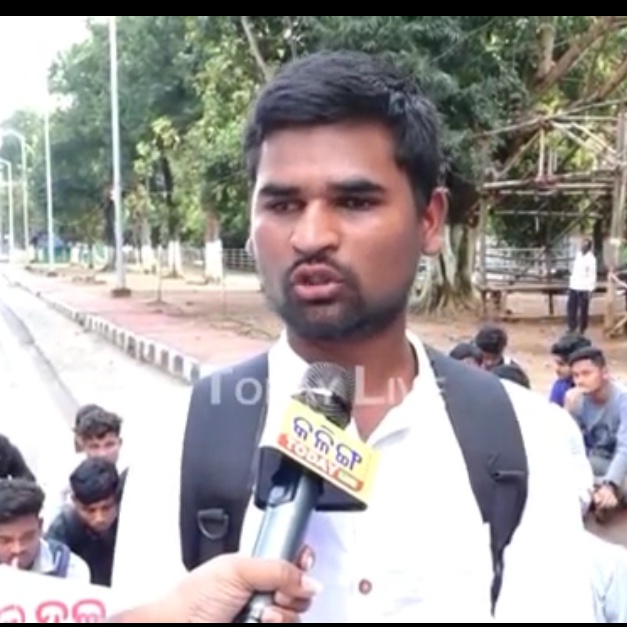
Odisha political leaders protest Odisha political leaders protest

The crux of the dispute lies in the interpretation of Article 324 of the Indian Constitution, which vests the Election Commission of India (ECI) with the authority to supervise elections, while state election commissions manage local body elections. However, the delimitation of constituencies—especially in border areas—has historically been a collaborative exercise between the central government and state authorities.

Legal scholars argue that the 2022 delimitation order, which allegedly re‑drawn Kotia’s boundaries, lacked a mutual consensus from Odisha’s state machinery. Prof. Arvind Rao, a constitutional law expert at IIT Delhi, notes:

"If the delimitation was executed without Odisha’s concurrence, any subsequent electoral notice issued by APSEC could be deemed ultra vires, violating the principle of cooperative federalism."

Both states have filed pleadings in the Supreme Court, seeking a stay order on the poll notice. The case is expected to be listed for oral arguments in early June, making it a landmark judicial test for inter‑state electoral cooperation.

Public Sentiment and Media Coverage

Social media platforms lit up with hashtags such as #KotiaRow, #OdishaVotes, and #BorderPoll trending on Twitter and X. Over 1.2 million tweets within 24 hours highlighted the community’s anxiety about being caught in a political tug‑of‑war. Local journalists reported instances of intimidation, with some APSEC officials allegedly facing verbal threats from village elders.

National outlets—India Today, The Quint, and ABP Live—have run extensive coverage, positioning the story as a “micro‑cosm of India’s federal tensions”. Editorials across the political spectrum have weighed in, with right‑leaning publications urging a swift resolution to avoid voter disenfranchisement, while left‑leaning columns caution against politicising electoral administration.

Broader Electoral Implications

The Kotia incident arrives at a volatile time: Andhra Pradesh is slated to hold its assembly elections in May 2024, while Odisha’s next state polls are due in 2025. Political analysts suggest that the row could be weaponised by regional parties to mobilise identity politics, especially in border districts where linguistic and cultural affiliations overlap.

Moreover, the episode raises questions about the efficacy of the 2022 delimitation exercise. If delimitation can inadvertently create electoral overlaps, the ECI may need to re‑evaluate its methodology, incorporating ground‑level surveys and inter‑state liaison committees to pre‑empt such conflicts.

Editorial Analysis & Future Outlook

The Kotia poll notice controversy underscores the fragile balance between federal authority and state sovereignty in India’s democratic architecture. While the Election Commission of India remains the ultimate arbiter, the incident reveals gaps in communication channels between state election bodies.

In the short term, we can expect heightened political mobilisation in Odisha, with the upcoming rally potentially influencing voter sentiment ahead of the 2024 general elections. The Supreme Court’s verdict will likely set a precedent for how delimitation orders are validated and enforced across state borders.

Long‑term, this row may catalyse institutional reforms:

  1. Joint Delimitation Committees comprising representatives from neighboring states could become mandatory.
  2. Digital mapping of electoral boundaries with real‑time updates may be mandated to avoid administrative ambiguities.
  3. A centralised grievance redressal mechanism for cross‑border electoral disputes could be instituted under the ECI’s purview.

If these reforms materialise, India could emerge with a more robust, transparent electoral framework, reducing the likelihood of similar flashpoints. Until then, Kotia remains a vivid reminder that democracy thrives on clarity, cooperation, and respect for constitutional boundaries.


Original Reporting & Source: India Today Top Stories

Discussion (0)

Sign in to join the discussion.

No comments yet. Be the first to start the conversation!

| |

Andhra Pradesh Poll Notice in Kotia Villages Ignites Fierce Odisha Political Row

By Umang Sisodia • 5 min read • 1 view

Key Takeaways

  • An Andhra Pradesh election notice issued in Kotia villages of Odisha has triggered a high‑stakes political confrontation between the two states.
  • The controversy spotlights constitutional ambiguities over electoral jurisdiction in border districts and fuels regional identity politics.
  • Both state governments are mobilising legal teams, while opposition parties are leveraging the row to rally voter sentiment ahead of upcoming state elections.
  • Experts warn the dispute could set a precedent for future cross‑border electoral challenges, reshaping India’s federal election framework.

The Incident: Poll Notice in Kotia Villages

On April 18, 2024, the Andhra Pradesh State Election Commission (APSEC) dispatched a formal poll notice to residents of Kotia villages—a cluster of hamlets that straddle the Andhra‑Odisha border. The notice, dated for the upcoming Andhra Pradesh Legislative Assembly elections, instructed eligible voters to register at a designated polling station located just across the state line.

The move was met with immediate confusion and anger among the local populace, many of whom identify culturally and administratively with Odisha. Residents reported that the notice arrived at the Kotia Gram Panchayat office, a jurisdiction traditionally overseen by the Odisha State Election Commission (OSEC). The notice’s language, printed on official APSEC letterhead, claimed that the villages fell within the Andhra Pradesh electoral roll due to a 2022 delimitation order—a claim that was quickly disputed by local officials.

Political Fallout in Odisha

Within hours, the Odisha Chief Minister’s office issued a statement condemning the notice as an “unconstitutional intrusion” that violated the Representation of People Act, 1951. The Odisha Legislative Assembly convened an emergency session, where opposition leader Rashmi Patnaik (Biju Janata Dal) demanded a joint parliamentary committee to investigate the matter. Simultaneously, the Odisha Police began a fact‑finding mission, sealing the border polling booth and confiscating the APSEC notice.

The political drama escalated when Odisha’s Home Minister announced a statewide rally in Bhubaneswar titled “Our Vote, Our State”, scheduled for April 25. The rally aims to galvanise public opinion against what officials describe as “external electoral meddling.” Prominent regional parties, including the Indian National Congress and the Aam Aadmi Party’s Odisha unit, have joined the protest, framing the incident as a test of Odisha’s federal autonomy.

Odisha political leaders protest Odisha political leaders protest

The crux of the dispute lies in the interpretation of Article 324 of the Indian Constitution, which vests the Election Commission of India (ECI) with the authority to supervise elections, while state election commissions manage local body elections. However, the delimitation of constituencies—especially in border areas—has historically been a collaborative exercise between the central government and state authorities.

Legal scholars argue that the 2022 delimitation order, which allegedly re‑drawn Kotia’s boundaries, lacked a mutual consensus from Odisha’s state machinery. Prof. Arvind Rao, a constitutional law expert at IIT Delhi, notes:

"If the delimitation was executed without Odisha’s concurrence, any subsequent electoral notice issued by APSEC could be deemed ultra vires, violating the principle of cooperative federalism."

Both states have filed pleadings in the Supreme Court, seeking a stay order on the poll notice. The case is expected to be listed for oral arguments in early June, making it a landmark judicial test for inter‑state electoral cooperation.

Public Sentiment and Media Coverage

Social media platforms lit up with hashtags such as #KotiaRow, #OdishaVotes, and #BorderPoll trending on Twitter and X. Over 1.2 million tweets within 24 hours highlighted the community’s anxiety about being caught in a political tug‑of‑war. Local journalists reported instances of intimidation, with some APSEC officials allegedly facing verbal threats from village elders.

National outlets—India Today, The Quint, and ABP Live—have run extensive coverage, positioning the story as a “micro‑cosm of India’s federal tensions”. Editorials across the political spectrum have weighed in, with right‑leaning publications urging a swift resolution to avoid voter disenfranchisement, while left‑leaning columns caution against politicising electoral administration.

Broader Electoral Implications

The Kotia incident arrives at a volatile time: Andhra Pradesh is slated to hold its assembly elections in May 2024, while Odisha’s next state polls are due in 2025. Political analysts suggest that the row could be weaponised by regional parties to mobilise identity politics, especially in border districts where linguistic and cultural affiliations overlap.

Moreover, the episode raises questions about the efficacy of the 2022 delimitation exercise. If delimitation can inadvertently create electoral overlaps, the ECI may need to re‑evaluate its methodology, incorporating ground‑level surveys and inter‑state liaison committees to pre‑empt such conflicts.

Editorial Analysis & Future Outlook

The Kotia poll notice controversy underscores the fragile balance between federal authority and state sovereignty in India’s democratic architecture. While the Election Commission of India remains the ultimate arbiter, the incident reveals gaps in communication channels between state election bodies.

In the short term, we can expect heightened political mobilisation in Odisha, with the upcoming rally potentially influencing voter sentiment ahead of the 2024 general elections. The Supreme Court’s verdict will likely set a precedent for how delimitation orders are validated and enforced across state borders.

Long‑term, this row may catalyse institutional reforms:

  1. Joint Delimitation Committees comprising representatives from neighboring states could become mandatory.
  2. Digital mapping of electoral boundaries with real‑time updates may be mandated to avoid administrative ambiguities.
  3. A centralised grievance redressal mechanism for cross‑border electoral disputes could be instituted under the ECI’s purview.

If these reforms materialise, India could emerge with a more robust, transparent electoral framework, reducing the likelihood of similar flashpoints. Until then, Kotia remains a vivid reminder that democracy thrives on clarity, cooperation, and respect for constitutional boundaries.


Original Reporting & Source: India Today Top Stories