Umang Sisodia • • 6 min read • 1 view
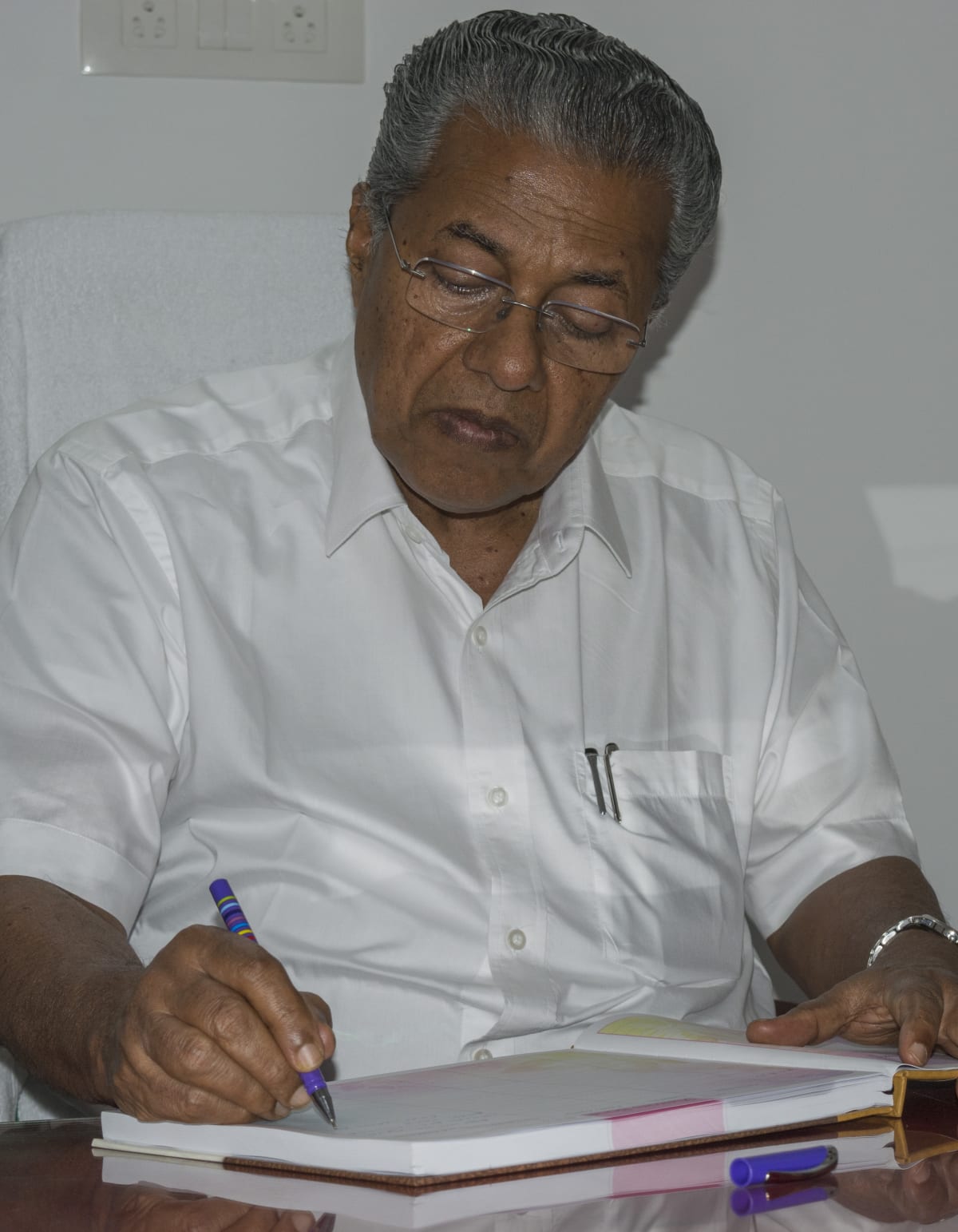
Supreme Court Halts CMRL Bribery Probe into Kerala Chief Minister Pinarayi Vijayan
Key Takeaways
- The Supreme Court of India ordered a one‑week stay on the Central Metro Rail Limited (CMRL) bribery investigation involving Kerala Chief Minister Pinarayi Vijayan.
- The stay has reignited political tensions in Kerala, with opposition parties demanding a full judicial inquiry while the ruling Left Democratic Front (LDF) calls it a politically motivated move.
- Legal experts argue the stay reflects procedural concerns over the probe’s jurisdiction and the need for clearer evidence before further action.
- The episode underscores the growing interplay between India’s judiciary and regional politics, with potential ramifications for upcoming state elections.
Background of the CMRL Bribery Probe
The Central Metro Rail Limited (CMRL), a central government undertaking, has been under scrutiny after allegations surfaced that officials accepted bribes to expedite metro projects in Kerala. The accusations first emerged in early 2024 when whistleblowers claimed that senior CMRL officers met with representatives of the Kerala state government to discuss preferential treatment for certain contractors.
The alleged quid‑pro quo involved large sums of money, purportedly funneled through shell companies linked to political operatives close to Chief Minister Pinarayi Vijayan. The opposition parties, especially the Indian National Congress (INC) and the Bharatiya Janata Party (BJP), seized on the story, demanding an immediate Central Bureau of Investigation (CBI) probe.
Supreme Court Intervention
On 18 October 2026, a five‑judge bench of the Supreme Court, headed by Justice Ranjan Gogoi, issued an interim order staying the CMRL investigation for seven days. The court cited “procedural ambiguities” and the need to examine whether the Central agency had jurisdiction over a matter that potentially involved state‑level corruption.
"The apex court must ensure that any investigative agency operates within the legal framework, respecting both federal and state competencies," the bench noted in its written order.
The stay has been welcomed by the LDF, which argues that the probe was a political vendetta aimed at destabilising the state government ahead of the 2027 assembly elections. Conversely, opposition leaders have condemned the decision as a judicial overreach, demanding that the stay be lifted and the investigation resumed without delay.
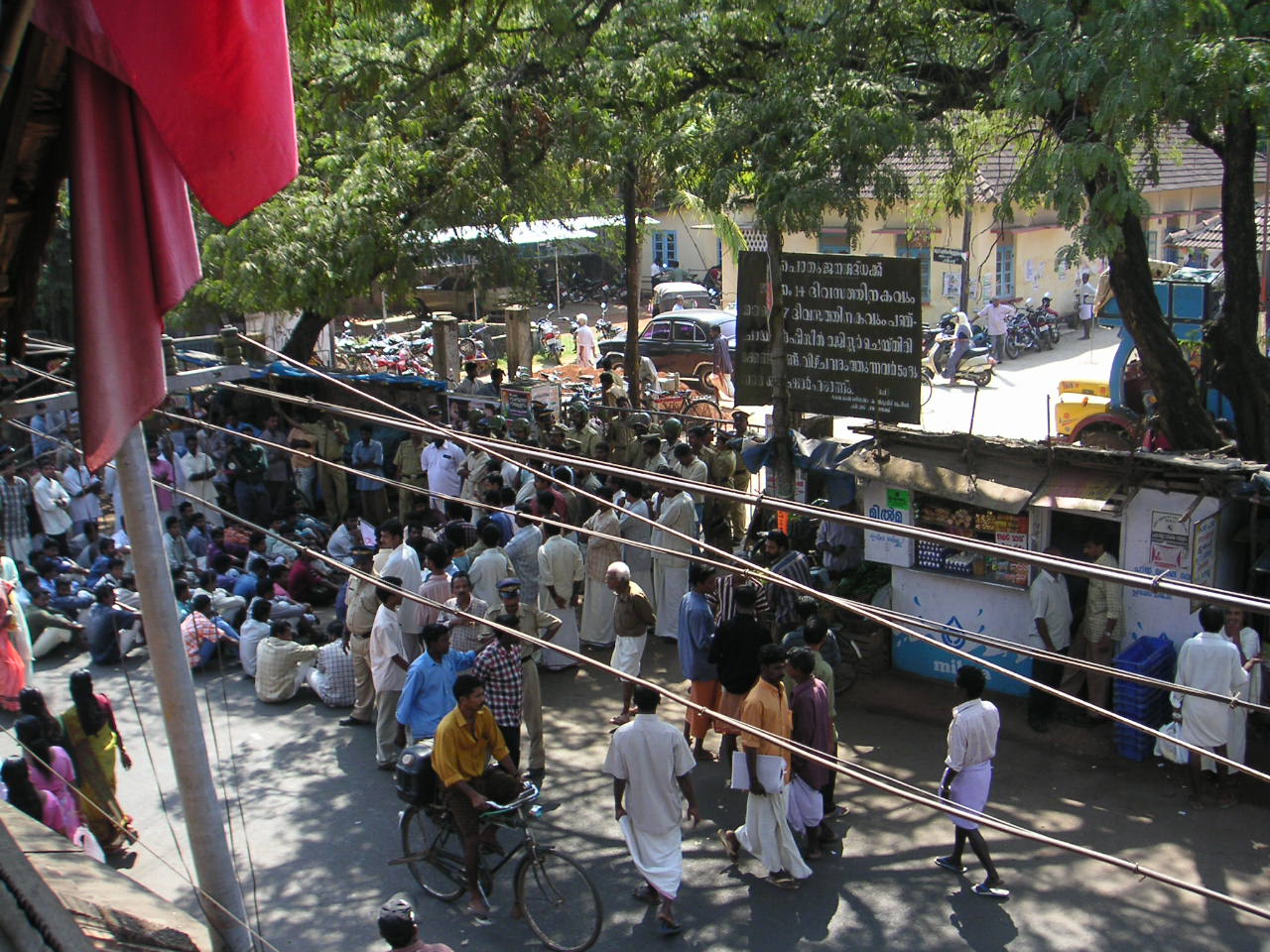 Kerala protest rally
Political Repercussions in Kerala
Opposition’s Strategy
The INC and BJP have intensified their campaign, organizing rallies across Kerala’s major cities. Their narrative focuses on transparency and accountability, positioning the bribery allegations as a test of the ruling party’s integrity. Prominent opposition figures, such as Congress leader M. V. Raghavan, have called for a parliamentary committee to examine the matter, arguing that a court stay cannot replace legislative oversight.
Ruling Party’s Defense
The LDF, led by Chief Minister Vijayan, has framed the Supreme Court’s stay as a vindication of due process. In a press conference, Vijayan stated, "The judiciary has acted prudently, preventing a rush to judgment that could tarnish the reputation of honest officials and the state’s development agenda."
Political analysts suggest that the episode could reshape voter sentiment. While the LDF enjoys a strong grassroots network, the allegations have given the opposition a potent rallying point, especially in urban constituencies where anti‑corruption sentiments run high.
Public Reaction and Media Coverage
Social media platforms exploded with hashtags such as #CMRLProbe, #VijayanStay, and #KeralaJustice. While many netizens expressed skepticism towards the allegations, a sizable chunk demanded a transparent investigation. Traditional media outlets, including India Today, The Quint, and ABP Live, have run extensive coverage, featuring expert panels dissecting the legal nuances of the stay.
Civil Society’s Voice
Prominent civil‑society groups, like the Centre for Public Accountability, have called for an independent oversight committee comprising former judges and anti‑corruption activists. Their statement reads:
"A stay order does not absolve the alleged misconduct. It merely pauses the process. The public’s right to know must be balanced with procedural fairness."
Legal Perspectives
Legal scholars highlight that the Supreme Court’s decision hinges on jurisdictional clarity. The CMRL, being a central entity, typically falls under the purview of the CBI. However, if the alleged bribes involve state officials, the state’s anti‑corruption bureau may also claim authority. The court’s stay provides a window for the agencies to sort out these complexities.
Professor Anita Desai, a constitutional law expert at the National Law School of India University, notes:
"The stay reflects the court’s caution in ensuring that investigative powers are not misused. It also signals to the executive that any overreach will be scrutinised.
Economic Implications
The CMRL’s projects, especially the Kochi Metro expansion, have been touted as catalysts for Kerala’s economic growth. Any delay or perceived corruption could affect investor confidence. Analysts warn that prolonged controversy may inflate project costs and deter private participation, potentially slowing down infrastructure development.
Editorial Analysis & Future Outlook
The Supreme Court’s week‑long stay on the CMRL bribery probe is more than a procedural hiccup; it is a litmus test for India’s federal balance and the resilience of democratic institutions. In the short term, the stay buys the ruling LDF breathing space, allowing it to marshal political support and craft a narrative of judicial vindication.
However, the longer‑term impact hinges on what unfolds after the seven‑day window. If the investigative agencies present a robust evidentiary framework, the case could evolve into a landmark judgment on the limits of central investigative authority over state actors. Conversely, a weak case may embolden opposition parties to weaponise the allegation in future electoral battles, potentially reshaping Kerala’s political landscape.
From an economic standpoint, the controversy underscores the need for transparent procurement mechanisms in large‑scale infrastructure projects. Stakeholders—ranging from multinational contractors to local suppliers—must advocate for stricter compliance and third‑party audits to safeguard against reputational damage.
In the broader canvas of Indian politics, this episode reflects a growing trend of judicial interventions in high‑profile corruption cases. As the judiciary asserts its role as a check on both central and state powers, political actors will need to adapt, prioritising procedural integrity over short‑term partisan gains.
Looking ahead, the following scenarios are plausible:
- Full Resumption of Probe – If the stay is lifted after the week, the investigation could proceed, potentially leading to indictments that reshape Kerala’s leadership dynamics.
- Extended Judicial Review – The Supreme Court may convert the interim stay into a comprehensive hearing, setting precedents for future inter‑governmental investigations.
- Political Settlement – Parties might negotiate a political settlement, perhaps through a joint parliamentary committee, to diffuse tensions before the next election cycle.
Regardless of the outcome, the episode will remain a case study in the interplay between law, politics, and development—a reminder that accountability mechanisms must evolve alongside the ambitions of a rapidly modernising nation.
Original Reporting & Source: India Today Top Stories

Discussion (0)
Sign in to join the discussion.
No comments yet. Be the first to start the conversation!