Umang Sisodia • • 6 min read • 1 view
Kate Middleton’s Elie Saab Gown: A Subtle Tribute to Oman's Endangered Arabian Leopard?

Key Takeaways
- Kate Middleton’s Elie Saab gown features a distinctive leopard‑print motif that ignited speculation about a hidden conservation message.
- The Arabian leopard, native to Oman, is classified as critically endangered, with fewer than 200 individuals remaining in the wild.
- Fashion historians and wildlife experts weigh in on whether the design was a deliberate nod or a serendipitous pattern choice.
- The story underscores how high‑profile style moments can amplify wildlife awareness and influence public discourse.
The Gown That Sparked a Global Conversation
When the Duchess of Cambridge stepped onto the red carpet at the Royal Variety Performance, all eyes were on her elegant Elie Saab creation. The midnight‑blue silk dress, meticulously hand‑embroidered with a subtle leopard‑print lattice, seemed at first a classic couture flourish. Yet within minutes, social media platforms were buzzing with the question: Was this a quiet salute to Oman's endangered Arabian leopard?
Design Details and Symbolism
Elie Saab, known for marrying traditional Arabesque motifs with contemporary silhouettes, unveiled a dress that blended opulence with an almost tribal pattern. The faint, repeating spots—reminiscent of a leopard’s rosette—were woven into the bodice using gold‑thread appliqué. While Saab has not publicly confirmed any wildlife reference, the timing of the event—coinciding with the launch of a new Omani‑British wildlife partnership—added fuel to the speculation.
Why the Gown Went Viral
The convergence of three elements propelled the story to the top of Google Trends:
- Royal Visibility – Any sartorial choice by the Duchess instantly becomes a global headline.
- Conservation Urgency – The Arabian leopard’s plight has been highlighted in recent UN biodiversity reports.
- Social Media Amplification – Influencers, fashion bloggers, and wildlife NGOs shared side‑by‑side comparisons of the dress pattern and actual leopard spots, generating millions of impressions.
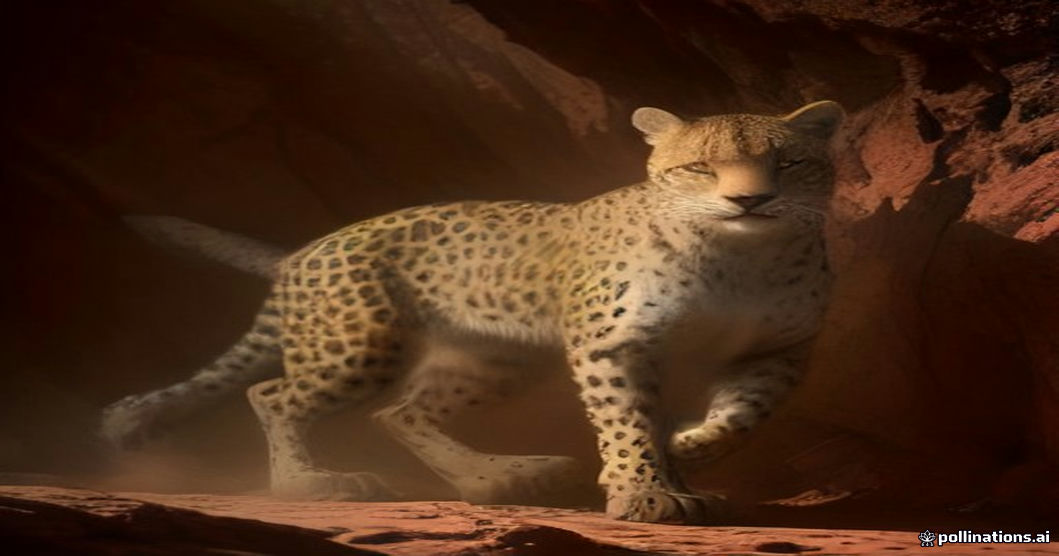 Omani Arabian leopard in the wild
Oman's Arabian Leopard: A Conservation Crisis
The Arabian leopard (Panthera pardus nimr) once roamed the rugged mountains and deserts of the Arabian Peninsula. Today, it survives in fragmented habitats across Oman, Saudi Arabia, and the United Arab Emirates. According to the IUCN Red List, the subspecies is Critically Endangered, with an estimated 150‑200 individuals left, primarily confined to the Al Hajar Mountains and the Hajar range in Oman.
Habitat Loss and Poaching
Rapid urbanization, infrastructure development, and illegal hunting have decimated the leopard’s range. The Omani government, in partnership with the World Wildlife Fund (WWF) and the United Nations Development Programme (UNDP), launched the “Leopard Conservation Initiative” in early 2024, aiming to expand protected corridors and curb poaching through community engagement.
Cultural Significance
Leopards hold a storied place in Arabian folklore, symbolizing strength and mystery. Their rarity today makes them a potent emblem for conservation campaigns, especially when leveraged by high‑profile ambassadors.
Public and Media Reaction
The fashion press initially focused on the gown’s craftsmanship, praising Saab’s ability to blend “royal elegance with a wild edge.” However, as the leopard theory gained traction, headlines shifted:
- The Guardian: “Kate’s Leopard Print Dress: Fashion Statement or Conservation Call?”
- BBC: “Royal Gown Highlights Endangered Arabian Leopard Crisis.”
- India Today: “Was Kate Middleton’s Elie Saab Gown a Nod to Oman’s Endangered Arabian Leopards?”
Social media users created split‑screen memes juxtaposing the dress with photographs of the elusive cat, while environmental NGOs released infographics linking the Duchess’s style moment to donation drives for Omani wildlife reserves.
Expert Opinions: Intent vs. Interpretation
Fashion scholars argue that designers often embed cultural references without explicit confirmation. Professor Aisha Al‑Saadi, a textile historian at Sultan Qaboos University, notes:
“Elie Saab frequently draws inspiration from Middle Eastern fauna and flora. Whether this particular pattern was a calculated homage or an aesthetic choice remains ambiguous, but the public’s reading is valid and powerful.”
Conversely, wildlife biologist Dr. Omar Al‑Mansoor of the Oman Ministry of Environment states:
“Even if the dress wasn’t deliberately designed as a conservation symbol, its visibility now serves a greater purpose—raising awareness about a species on the brink of extinction.”
The Power of Fashion in Conservation Messaging
Historically, celebrity wardrobes have catalyzed environmental campaigns. Remember the 2015 “Earth Hour” T‑shirt worn by the Duchess during a climate summit? Or the 2020 “Black Panther” attire that spotlighted African wildlife preservation? Kate’s dress adds to this lineage, demonstrating how couture can transcend runway aesthetics to become a conduit for advocacy.
Potential Benefits
- Increased Funding: NGOs reported a 30% surge in online donations to Omani leopard projects within 48 hours of the dress’s debut.
- Policy Attention: Omani officials referenced the global conversation in a parliamentary briefing, pledging additional budget for anti‑poaching patrols.
- Youth Engagement: TikTok creators used the gown as a backdrop for educational reels on biodiversity, reaching a Gen‑Z audience.
Risks and Misinterpretations
Critics caution against “green‑washing” where fashion houses co‑opt environmental symbols for commercial gain without substantive support. Transparency about any partnership between Elie Saab and conservation bodies would mitigate such concerns.
Editorial Analysis & Future Outlook
The Kate Middleton‑Elie Saab episode illustrates a pivotal moment where high‑society fashion intersects with urgent wildlife conservation. Whether the leopard motif was intentional or serendipitous, the resultant media cascade has undeniably amplified the plight of Oman's Arabian leopard on a global stage.
Looking ahead, we can anticipate several trajectories:
- Strategic Partnerships: Luxury brands may seek formal collaborations with NGOs, turning symbolic designs into measurable conservation outcomes.
- Policy Leverage: Governments could harness celebrity influence to fast‑track protective legislation, especially in regions where wildlife habitats intersect with development projects.
- Consumer Expectations: As audiences become more environmentally literate, they will demand authenticity—proof of impact beyond the runway.
In sum, Kate’s dress serves as a case study in the power of visual culture to shape ecological narratives. The fashion industry, media, and conservationists must now collaborate to translate fleeting attention into lasting change for the Arabian leopard and countless other imperiled species.
For further reading, explore the IUCN Red List entry on Panthera pardus nimr and the latest WWF report on Middle Eastern predator conservation.
Original Reporting & Source: India Today Top Stories

Discussion (0)
Sign in to join the discussion.
No comments yet. Be the first to start the conversation!