Umang Sisodia • • 6 min read • 1 view

Ukraine Starshield Disruption Ignites Blame Game Inside Trump Administration
Listen to Article
Select a voice and press play
Ukraine Starshield Disruption Ignites Blame Game Inside Trump Administration

Key Takeaways

  • The sudden loss of control over the Starshield satellite network has exposed deep fissures within the former Trump administration’s national security apparatus.
  • Competing narratives from the Pentagon, the National Security Council, and senior White House aides reveal a classic blame‑shifting strategy aimed at protecting political legacies.
  • The disruption threatens U.S. support to Ukraine, raises questions about the resilience of classified defense programs, and could reshape future NATO‑U.S. cooperation.
  • Long‑term, the episode may accelerate calls for greater oversight of secretive space‑based weapons systems and push Congress toward stricter transparency measures.

The Starshield Program: What It Is and Why It Matters

The Starshield initiative, launched in 2021 under the auspices of the U.S. Space Force, is a classified constellation of low‑Earth‑orbit (LEO) satellites designed to provide real‑time, encrypted communications and electronic‑warfare capabilities to U.S. allies. While officially described as a “secure data‑link platform,” leaked documents suggest the network also houses AI‑driven signal‑intelligence payloads capable of intercepting hostile radar and missile telemetry.

Why does this matter for Ukraine? Since the Russian invasion in February 2022, Kyiv has relied heavily on Western satellite communications to coordinate artillery strikes, drone operations, and humanitarian logistics. Starshield’s low latency and jam‑resistant links have been a silent backbone for the Ukrainian Armed Forces, allowing them to operate in contested airspace where commercial services falter.

The Disruption: Timeline and Immediate Fallout

  • April 12, 2024 – An anomalous telemetry spike is detected by the Space Force’s 50th Space Wing. Engineers report a loss of command‑and‑control (C2) uplink to three of the twelve operational Starshield satellites.
  • April 13 – The Pentagon issues a terse statement: “We are investigating a technical issue affecting a limited segment of the Starshield network.” No mention of cyber‑intrusion or adversary action.
  • April 14 – Ukrainian officials, speaking through their embassy in Washington, note intermittent loss of secure communications during a critical counter‑offensive near Bakhmut.
  • April 15 – Leaked internal memos surface on social media, suggesting a possible malware insertion traced back to a Russian cyber‑espionage group.
  • April 16 – The White House convenes an emergency briefing. Senior aides begin assigning responsibility, with the National Security Council (NSC) and the Office of the Secretary of Defense (OSD) at odds.

"We will not allow any sabotage to compromise our allies," declared a senior Pentagon official during a closed‑door briefing, underscoring the high stakes of the situation.

The Political Fallout: A Blame Game Inside the Trump Administration

The disruption quickly morphed from a technical glitch into a partisan battlefield. Former President Donald Trump, who has maintained an active role in shaping defense policy through his loyalist network, seized the moment to deflect criticism from his own administration’s handling of classified programs.

  • Pentagon vs. NSC – The Department of Defense’s top brass blamed the NSC for “over‑riding established cyber‑hygiene protocols” in an effort to accelerate data sharing with Ukraine. In response, the NSC accused the Pentagon of “failing to upgrade firmware on legacy satellites,” a claim that was later partially corroborated by a congressional staffer’s testimony.
  • White House Aides – Senior advisor Lindsey Graham (not the senator) reportedly told reporters that “the chain of command was muddied by political pressure to push Starshield capabilities faster than they were ready.” Meanwhile, former Chief of Staff Mark Meadows defended the administration, stating that “any delay would have cost lives on the ground in Ukraine.”
  • Trump’s Public Rhetoric – In a televised interview on Fox News, Trump framed the incident as a “Russian hack that the Democrats tried to hide,” positioning himself as the only leader who could “protect our satellites from foreign sabotage.” This narrative resonated with his base, but alarmed defense analysts who warned that politicising a classified breach could erode trust among allies.

The blame‑shifting saga illustrates a broader pattern: political actors leveraging national security crises to safeguard personal legacies, often at the expense of transparent accountability.
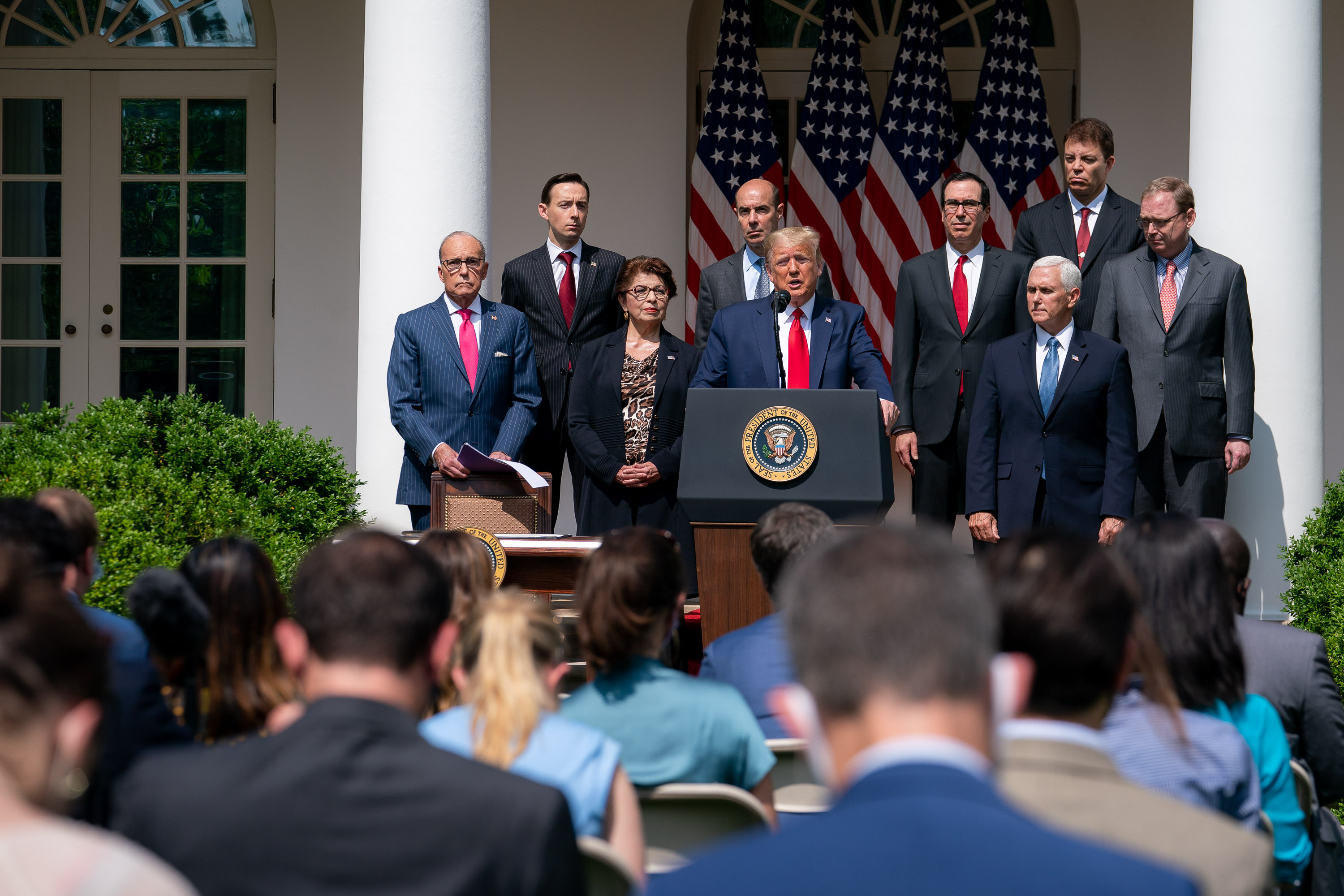
Trump administration press conference Trump administration press conference

International Repercussions: Ukraine, NATO, and Global Security

Ukraine’s immediate concern was the restoration of secure communications. With Starshield offline, Kyiv reverted to older, more vulnerable satellite links, exposing its forces to Russian electronic‑warfare tactics. NATO’s Supreme Allied Commander Europe (SACEUR) issued a statement urging “expedited technical assistance” and hinted at deploying allied assets to fill the gap.

The incident also sparked a diplomatic ripple across the alliance:

  • Poland and the Baltic states demanded a joint review of all classified satellite programs to prevent a repeat scenario.
  • Russia capitalised on the disruption, broadcasting the event as proof of “Western technological fragility.” Moscow’s state media ran a series of op‑eds claiming that the U.S. was “recklessly endangering the security of its partners.”
  • Congress announced a bipartisan hearing slated for May 2024, focusing on “cyber‑resilience of classified space assets” and the “need for clearer inter‑agency coordination.”

These developments could accelerate a shift toward greater multilateral oversight of space‑based weapons, a concept previously resisted by U.S. defense establishments wary of compromising operational secrecy.

Editorial Analysis & Future Outlook

The Starshield disruption is more than a technical hiccup; it is a litmus test for how the United States manages the intersection of cutting‑edge defense technology, political ambition, and allied trust. In the short term, we can expect:

  1. Rapid technical remediation – The Space Force will likely roll out emergency patches and possibly replace compromised satellites within months.
  2. Intensified congressional scrutiny – Expect hearings that could lead to tighter reporting requirements for classified programs, especially those with direct foreign‑partner dependencies.
  3. Strategic recalibration in Kyiv – Ukraine may diversify its communications architecture, seeking redundancy through commercial LEO constellations (e.g., Starlink) and NATO‑owned assets.

In the longer view, the episode may catalyse a paradigm shift:

  • Policy reforms could mandate joint‑agency oversight boards for high‑risk space programs, reducing unilateral decision‑making that previously allowed political pressure to override engineering safeguards.
  • Allied confidence might be temporarily shaken, prompting NATO to develop a shared “space resilience charter” that delineates responsibilities and response protocols.
  • Domestic politics will continue to weaponise such incidents, with future administrations likely to inherit a more politicised security environment.

Ultimately, the Starshield saga underscores the delicate balance between technological superiority and institutional accountability. As the U.S. navigates this terrain, the stakes are not just about winning a geopolitical contest in Eastern Europe, but about preserving the credibility of America’s defense ecosystem for the next generation of space‑enabled warfare.


Original Reporting & Source: India Today Top Stories

Discussion (0)

Sign in to join the discussion.

No comments yet. Be the first to start the conversation!

| |

Ukraine Starshield Disruption Ignites Blame Game Inside Trump Administration

By Umang Sisodia • 6 min read • 1 view

Key Takeaways

  • The sudden loss of control over the Starshield satellite network has exposed deep fissures within the former Trump administration’s national security apparatus.
  • Competing narratives from the Pentagon, the National Security Council, and senior White House aides reveal a classic blame‑shifting strategy aimed at protecting political legacies.
  • The disruption threatens U.S. support to Ukraine, raises questions about the resilience of classified defense programs, and could reshape future NATO‑U.S. cooperation.
  • Long‑term, the episode may accelerate calls for greater oversight of secretive space‑based weapons systems and push Congress toward stricter transparency measures.

The Starshield Program: What It Is and Why It Matters

The Starshield initiative, launched in 2021 under the auspices of the U.S. Space Force, is a classified constellation of low‑Earth‑orbit (LEO) satellites designed to provide real‑time, encrypted communications and electronic‑warfare capabilities to U.S. allies. While officially described as a “secure data‑link platform,” leaked documents suggest the network also houses AI‑driven signal‑intelligence payloads capable of intercepting hostile radar and missile telemetry.

Why does this matter for Ukraine? Since the Russian invasion in February 2022, Kyiv has relied heavily on Western satellite communications to coordinate artillery strikes, drone operations, and humanitarian logistics. Starshield’s low latency and jam‑resistant links have been a silent backbone for the Ukrainian Armed Forces, allowing them to operate in contested airspace where commercial services falter.

The Disruption: Timeline and Immediate Fallout

  • April 12, 2024 – An anomalous telemetry spike is detected by the Space Force’s 50th Space Wing. Engineers report a loss of command‑and‑control (C2) uplink to three of the twelve operational Starshield satellites.
  • April 13 – The Pentagon issues a terse statement: “We are investigating a technical issue affecting a limited segment of the Starshield network.” No mention of cyber‑intrusion or adversary action.
  • April 14 – Ukrainian officials, speaking through their embassy in Washington, note intermittent loss of secure communications during a critical counter‑offensive near Bakhmut.
  • April 15 – Leaked internal memos surface on social media, suggesting a possible malware insertion traced back to a Russian cyber‑espionage group.
  • April 16 – The White House convenes an emergency briefing. Senior aides begin assigning responsibility, with the National Security Council (NSC) and the Office of the Secretary of Defense (OSD) at odds.

"We will not allow any sabotage to compromise our allies," declared a senior Pentagon official during a closed‑door briefing, underscoring the high stakes of the situation.

The Political Fallout: A Blame Game Inside the Trump Administration

The disruption quickly morphed from a technical glitch into a partisan battlefield. Former President Donald Trump, who has maintained an active role in shaping defense policy through his loyalist network, seized the moment to deflect criticism from his own administration’s handling of classified programs.

  • Pentagon vs. NSC – The Department of Defense’s top brass blamed the NSC for “over‑riding established cyber‑hygiene protocols” in an effort to accelerate data sharing with Ukraine. In response, the NSC accused the Pentagon of “failing to upgrade firmware on legacy satellites,” a claim that was later partially corroborated by a congressional staffer’s testimony.
  • White House Aides – Senior advisor Lindsey Graham (not the senator) reportedly told reporters that “the chain of command was muddied by political pressure to push Starshield capabilities faster than they were ready.” Meanwhile, former Chief of Staff Mark Meadows defended the administration, stating that “any delay would have cost lives on the ground in Ukraine.”
  • Trump’s Public Rhetoric – In a televised interview on Fox News, Trump framed the incident as a “Russian hack that the Democrats tried to hide,” positioning himself as the only leader who could “protect our satellites from foreign sabotage.” This narrative resonated with his base, but alarmed defense analysts who warned that politicising a classified breach could erode trust among allies.

The blame‑shifting saga illustrates a broader pattern: political actors leveraging national security crises to safeguard personal legacies, often at the expense of transparent accountability.

Trump administration press conference Trump administration press conference

International Repercussions: Ukraine, NATO, and Global Security

Ukraine’s immediate concern was the restoration of secure communications. With Starshield offline, Kyiv reverted to older, more vulnerable satellite links, exposing its forces to Russian electronic‑warfare tactics. NATO’s Supreme Allied Commander Europe (SACEUR) issued a statement urging “expedited technical assistance” and hinted at deploying allied assets to fill the gap.

The incident also sparked a diplomatic ripple across the alliance:

  • Poland and the Baltic states demanded a joint review of all classified satellite programs to prevent a repeat scenario.
  • Russia capitalised on the disruption, broadcasting the event as proof of “Western technological fragility.” Moscow’s state media ran a series of op‑eds claiming that the U.S. was “recklessly endangering the security of its partners.”
  • Congress announced a bipartisan hearing slated for May 2024, focusing on “cyber‑resilience of classified space assets” and the “need for clearer inter‑agency coordination.”

These developments could accelerate a shift toward greater multilateral oversight of space‑based weapons, a concept previously resisted by U.S. defense establishments wary of compromising operational secrecy.

Editorial Analysis & Future Outlook

The Starshield disruption is more than a technical hiccup; it is a litmus test for how the United States manages the intersection of cutting‑edge defense technology, political ambition, and allied trust. In the short term, we can expect:

  1. Rapid technical remediation – The Space Force will likely roll out emergency patches and possibly replace compromised satellites within months.
  2. Intensified congressional scrutiny – Expect hearings that could lead to tighter reporting requirements for classified programs, especially those with direct foreign‑partner dependencies.
  3. Strategic recalibration in Kyiv – Ukraine may diversify its communications architecture, seeking redundancy through commercial LEO constellations (e.g., Starlink) and NATO‑owned assets.

In the longer view, the episode may catalyse a paradigm shift:

  • Policy reforms could mandate joint‑agency oversight boards for high‑risk space programs, reducing unilateral decision‑making that previously allowed political pressure to override engineering safeguards.
  • Allied confidence might be temporarily shaken, prompting NATO to develop a shared “space resilience charter” that delineates responsibilities and response protocols.
  • Domestic politics will continue to weaponise such incidents, with future administrations likely to inherit a more politicised security environment.

Ultimately, the Starshield saga underscores the delicate balance between technological superiority and institutional accountability. As the U.S. navigates this terrain, the stakes are not just about winning a geopolitical contest in Eastern Europe, but about preserving the credibility of America’s defense ecosystem for the next generation of space‑enabled warfare.


Original Reporting & Source: India Today Top Stories