Umang Sisodia • • 5 min read • 1 view

Rani Chennamma of Kittur: Karnataka’s 1820s Hero Who Defied the British

Listen to Article
Select a voice and press play
Rani Chennamma of Kittur: Karnataka’s 1820s Hero Who Defied the British

Key Takeaways

  • Rani Chennamma of Kittur led a bold armed resistance against the British East India Company in 1824, predating the 1857 uprising by three decades.
  • Her strategic use of guerrilla tactics and diplomatic acumen forced the British to retreat temporarily, marking a rare early victory for an Indian ruler.
  • Despite her eventual capture and exile, Chennamma’s legacy endures in Karnataka’s cultural memory and is resurfacing on digital platforms.
  • The renewed interest reflects a broader quest for regional heroes who challenge the dominant colonial narrative.

The Forgotten Warrior of Karnataka

In the annals of Indian resistance, the name Rani Chennamma of Kittur often slips through the cracks of mainstream textbooks. Yet, her story is a testament to the fierce spirit of a woman who, in the early 1820s, stood toe‑to‑toe with the British East India Company—decades before the more widely known Rani Lakshmibai of Jhansi.

Born in 1778 into the Maratha‑influenced Desai family of Kittur (present‑day Belagavi district, Karnataka), Chennamma married Raja Mallasarja of Kittur at a young age. When the king died in 1816, the British invoked the Doctrine of Lapse, refusing to recognize her infant son as heir. Chennamma, refusing to surrender sovereignty, declared herself regent and prepared for war.

Historical Context: Early 19th Century Mysore

The early 19th century was a turbulent period for the erstwhile Mysore kingdom. After the fall of Tipu Sultan in 1799, the British consolidated power through subsidiary alliances, annexations, and the controversial Doctrine of Lapse—a policy that allowed them to annex any princely state lacking a direct male heir.

Karnataka’s rugged terrain, dotted with forts like Kittur, was both a strategic advantage and a logistical nightmare for the British. Local chieftains, many of whom had fought alongside Tipu, harbored deep resentment toward colonial encroachment. It was against this backdrop that Chennamma’s defiance took shape.

The Revolt of Kittur and Rani Chennamma’s Strategy

In 1824, when Colonel Stuart attempted to seize Kittur and imprison the young heir, Chennamma mobilised a force of roughly 1,500 soldiers, including a contingent of trained archers and a handful of European‑trained artillerymen.

"We shall not bow to a foreign crown that has no right over our lands," she reportedly declared to her troops.

Her tactics blended conventional warfare with guerrilla raids. She leveraged the dense Western Ghats, launching night ambushes that disrupted British supply lines. The first encounter at the Kittur fort saw the British suffer a rare defeat, forcing them to retreat to Dharwad for regrouping.

Nevertheless, the British eventually leveraged superior firepower and political machinations, arresting key allies and cutting off external support. By 1829, Chennamma was captured, paraded in Bombay, and sentenced to life exile in Mangalore, where she died in 1829.
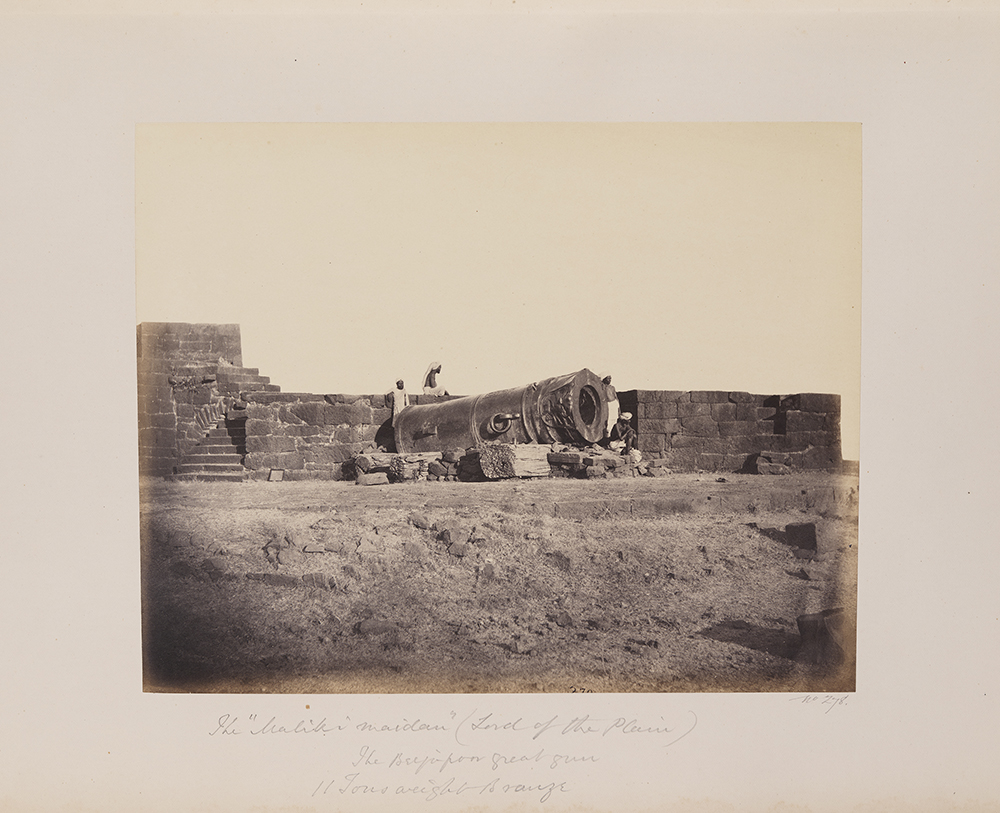
British troops Kittur 1824 British troops Kittur 1824

Aftermath and Legacy

While the immediate outcome was a British victory, the psychological impact of Chennamma’s resistance reverberated across the Deccan. Contemporary accounts note that the British, shaken by the unexpected setback, revised their approach to dealing with southern princely states, opting for more cautious diplomacy.

In Karnataka, Chennamma became a folk hero. Ballads (​janapada geet​) celebrating her bravery are still sung in rural villages. Statues have been erected in Belagavi and Bengaluru, and schools bear her name, ensuring that new generations encounter her story.

Why This Story Is Trending Now

The resurgence of Chennamma’s narrative on platforms like Google Trends and India Today’s Top Stories stems from several converging factors:

  1. Regional Pride: Karnataka’s state government has recently launched a “Women Warriors” campaign, highlighting indigenous heroines.
  2. Digital Archival Releases: The National Archives of India digitised rare letters between Chennamma and British officials, sparking scholarly and public interest.
  3. Cinematic Interest: A high‑budget Malayalam‑Kannada biopic is slated for release in 2027, prompting media houses to revisit the historical record.
  4. Decolonisation Discourse: Across India, there is a growing push to foreground sub‑national histories that challenge the Anglocentric colonial narrative.

These elements combine to push Chennamma’s name into search algorithms, making her a trending topic.

Editorial Analysis & Future Outlook

Rani Chennamma’s story underscores a critical gap in India’s collective memory: the early, localized resistance movements that pre‑date the 1857 revolt. As India continues to grapple with its colonial legacy, the elevation of regional figures like Chennamma serves multiple purposes.

  • Narrative Rebalancing: By foregrounding her agency, historians can construct a more nuanced timeline of anti‑colonial struggle, illustrating that resistance was not a monolithic event in 1857 but a series of localized uprisings.
  • Cultural Capital: Karnataka’s emphasis on Chennamma can foster regional identity, potentially influencing tourism (heritage trails to Kittur Fort) and educational curricula.
  • Political Instrumentalisation: While celebrating her bravery, there is a risk of politicising her legacy for contemporary electoral narratives. Vigilance is needed to keep the discourse scholarly rather than partisan.
  • Future Scholarship: The newly released archival material invites fresh academic inquiry—particularly into gendered dimensions of early 19th‑century warfare.

In the long run, we can anticipate a cascade of media—documentaries, textbooks, and digital content—integrating Chennamma’s narrative. This not only enriches India’s historical tapestry but also empowers a new generation of women leaders who see themselves reflected in the annals of resistance.

The story of Rani Chennamma reminds us that the fight for sovereignty often begins in the shadows of forgotten forts, and that every reclaimed tale reshapes the nation’s collective consciousness.


Original Reporting & Source: India Today Top Stories

Discussion (0)

Sign in to join the discussion.

No comments yet. Be the first to start the conversation!

| |

Rani Chennamma of Kittur: Karnataka’s 1820s Hero Who Defied the British

By Umang Sisodia • 5 min read • 1 view

Key Takeaways

  • Rani Chennamma of Kittur led a bold armed resistance against the British East India Company in 1824, predating the 1857 uprising by three decades.
  • Her strategic use of guerrilla tactics and diplomatic acumen forced the British to retreat temporarily, marking a rare early victory for an Indian ruler.
  • Despite her eventual capture and exile, Chennamma’s legacy endures in Karnataka’s cultural memory and is resurfacing on digital platforms.
  • The renewed interest reflects a broader quest for regional heroes who challenge the dominant colonial narrative.

The Forgotten Warrior of Karnataka

In the annals of Indian resistance, the name Rani Chennamma of Kittur often slips through the cracks of mainstream textbooks. Yet, her story is a testament to the fierce spirit of a woman who, in the early 1820s, stood toe‑to‑toe with the British East India Company—decades before the more widely known Rani Lakshmibai of Jhansi.

Born in 1778 into the Maratha‑influenced Desai family of Kittur (present‑day Belagavi district, Karnataka), Chennamma married Raja Mallasarja of Kittur at a young age. When the king died in 1816, the British invoked the Doctrine of Lapse, refusing to recognize her infant son as heir. Chennamma, refusing to surrender sovereignty, declared herself regent and prepared for war.

Historical Context: Early 19th Century Mysore

The early 19th century was a turbulent period for the erstwhile Mysore kingdom. After the fall of Tipu Sultan in 1799, the British consolidated power through subsidiary alliances, annexations, and the controversial Doctrine of Lapse—a policy that allowed them to annex any princely state lacking a direct male heir.

Karnataka’s rugged terrain, dotted with forts like Kittur, was both a strategic advantage and a logistical nightmare for the British. Local chieftains, many of whom had fought alongside Tipu, harbored deep resentment toward colonial encroachment. It was against this backdrop that Chennamma’s defiance took shape.

The Revolt of Kittur and Rani Chennamma’s Strategy

In 1824, when Colonel Stuart attempted to seize Kittur and imprison the young heir, Chennamma mobilised a force of roughly 1,500 soldiers, including a contingent of trained archers and a handful of European‑trained artillerymen.

"We shall not bow to a foreign crown that has no right over our lands," she reportedly declared to her troops.

Her tactics blended conventional warfare with guerrilla raids. She leveraged the dense Western Ghats, launching night ambushes that disrupted British supply lines. The first encounter at the Kittur fort saw the British suffer a rare defeat, forcing them to retreat to Dharwad for regrouping.

Nevertheless, the British eventually leveraged superior firepower and political machinations, arresting key allies and cutting off external support. By 1829, Chennamma was captured, paraded in Bombay, and sentenced to life exile in Mangalore, where she died in 1829.

British troops Kittur 1824 British troops Kittur 1824

Aftermath and Legacy

While the immediate outcome was a British victory, the psychological impact of Chennamma’s resistance reverberated across the Deccan. Contemporary accounts note that the British, shaken by the unexpected setback, revised their approach to dealing with southern princely states, opting for more cautious diplomacy.

In Karnataka, Chennamma became a folk hero. Ballads (​janapada geet​) celebrating her bravery are still sung in rural villages. Statues have been erected in Belagavi and Bengaluru, and schools bear her name, ensuring that new generations encounter her story.

Why This Story Is Trending Now

The resurgence of Chennamma’s narrative on platforms like Google Trends and India Today’s Top Stories stems from several converging factors:

  1. Regional Pride: Karnataka’s state government has recently launched a “Women Warriors” campaign, highlighting indigenous heroines.
  2. Digital Archival Releases: The National Archives of India digitised rare letters between Chennamma and British officials, sparking scholarly and public interest.
  3. Cinematic Interest: A high‑budget Malayalam‑Kannada biopic is slated for release in 2027, prompting media houses to revisit the historical record.
  4. Decolonisation Discourse: Across India, there is a growing push to foreground sub‑national histories that challenge the Anglocentric colonial narrative.

These elements combine to push Chennamma’s name into search algorithms, making her a trending topic.

Editorial Analysis & Future Outlook

Rani Chennamma’s story underscores a critical gap in India’s collective memory: the early, localized resistance movements that pre‑date the 1857 revolt. As India continues to grapple with its colonial legacy, the elevation of regional figures like Chennamma serves multiple purposes.

  • Narrative Rebalancing: By foregrounding her agency, historians can construct a more nuanced timeline of anti‑colonial struggle, illustrating that resistance was not a monolithic event in 1857 but a series of localized uprisings.
  • Cultural Capital: Karnataka’s emphasis on Chennamma can foster regional identity, potentially influencing tourism (heritage trails to Kittur Fort) and educational curricula.
  • Political Instrumentalisation: While celebrating her bravery, there is a risk of politicising her legacy for contemporary electoral narratives. Vigilance is needed to keep the discourse scholarly rather than partisan.
  • Future Scholarship: The newly released archival material invites fresh academic inquiry—particularly into gendered dimensions of early 19th‑century warfare.

In the long run, we can anticipate a cascade of media—documentaries, textbooks, and digital content—integrating Chennamma’s narrative. This not only enriches India’s historical tapestry but also empowers a new generation of women leaders who see themselves reflected in the annals of resistance.

The story of Rani Chennamma reminds us that the fight for sovereignty often begins in the shadows of forgotten forts, and that every reclaimed tale reshapes the nation’s collective consciousness.


Original Reporting & Source: India Today Top Stories