Umang Sisodia • • 6 min read • 1 view

Supreme Court Flags Hospital Malpractice: Why Patients Remain Powerless in India's Healthcare Battle
Listen to Article
Select a voice and press play
Supreme Court Flags Hospital Malpractice: Why Patients Remain Powerless in India's Healthcare Battle

Key Takeaways

  • The Indian government has formally raised concerns about hospital malpractice before the Supreme Court, spotlighting systemic gaps in patient safety.
  • Patients continue to occupy a weak bargaining position due to opaque pricing, limited legal recourse, and fragmented regulatory oversight.
  • The SC hearing could set precedent for stricter compliance, but enforcement challenges and industry push‑back remain significant.
  • Long‑term reforms must blend stronger consumer rights, transparent data, and robust monitoring mechanisms to rebalance the doctor‑patient power dynamics.

The Supreme Court Hearing: A Potential Watershed

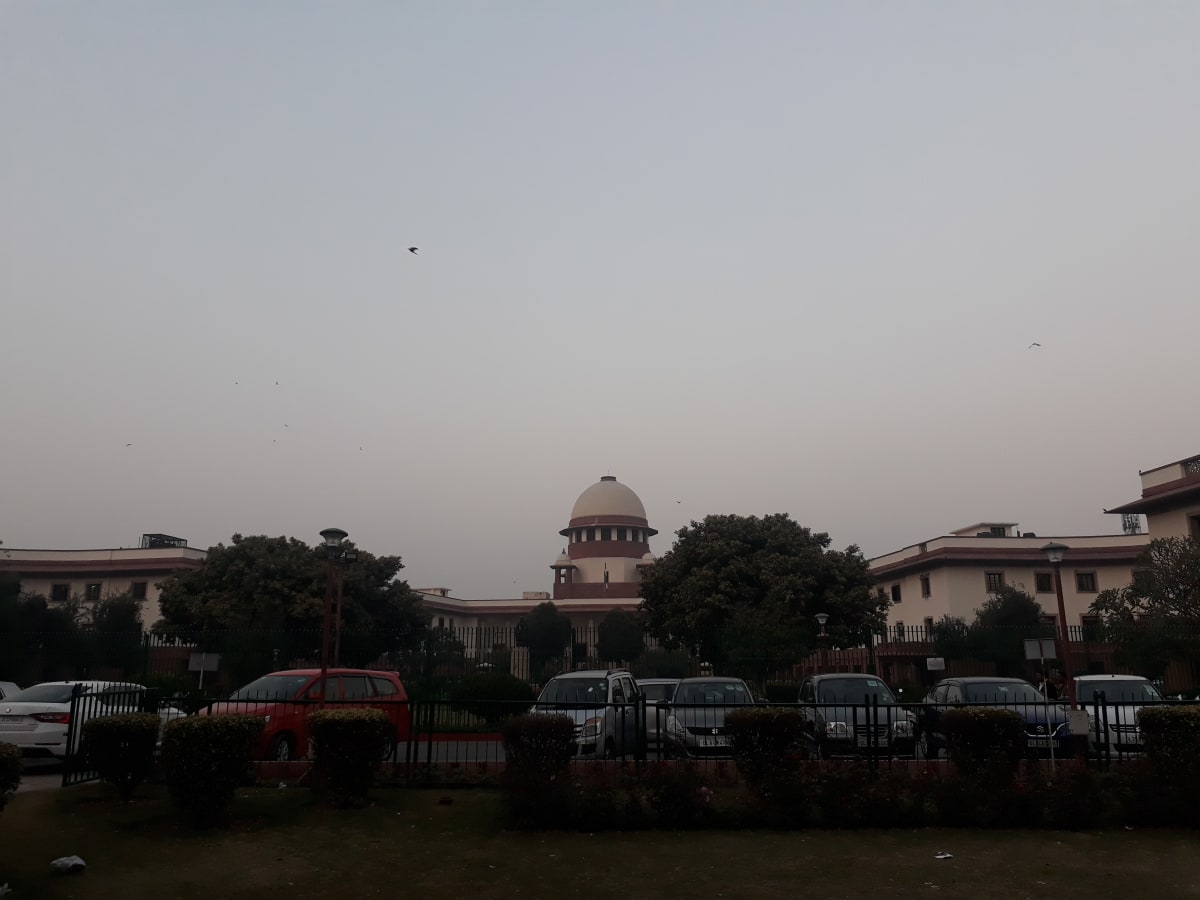
On [date], the Supreme Court of India convened a high‑profile hearing after the Union Ministry of Health and Family Welfare filed an intervention flagging rampant malpractice across private hospitals. The petition, originally lodged by a coalition of consumer rights groups, alleges that many hospitals flout basic standards—ranging from falsified surgical consent forms to over‑charging for essential medicines.

The court’s intervention is noteworthy for two reasons. First, it marks the highest judicial body directly addressing systemic health‑care violations, a domain traditionally left to state medical councils and the National Accreditation Board for Hospitals & Healthcare Providers (NABH). Second, the government's stance signals a shift from reactive, case‑by‑case litigation toward a proactive, policy‑driven approach.

Legal scholars argue that the Supreme Court’s involvement could pave the way for a uniform national framework that mandates real‑time reporting of adverse events, compulsory patient‑rights disclosures, and punitive damages for non‑compliance. However, the court has also cautioned that any new mandates must respect the autonomy of medical institutions and avoid creating a bureaucratic quagmire.

hospital corridor patient care hospital corridor patient care


Why Patients Are At The Bottom Of The Bargaining Chain

India’s health‑care ecosystem is a patchwork of public hospitals, private chains, and a burgeoning market of boutique specialty centers. While this diversity expands access, it also creates a power asymmetry that disadvantages patients:

  1. Opaque Pricing: Many private hospitals do not publish itemised cost sheets, leading to surprise bills post‑treatment. Without transparent pricing, patients cannot negotiate or compare services.
  2. Limited Legal Literacy: A 2023 survey by the National Consumer Helpline found that only 18% of patients were aware of their legal rights in medical disputes.
  3. Fragmented Regulation: Multiple bodies—state medical councils, NABH, and the Ministry of Health—overlap in jurisdiction, causing enforcement gaps.
  4. Fear of Retaliation: Whistleblowing against a powerful hospital can result in delayed or denied treatment, discouraging patients from speaking out.

These factors collectively erode the bargaining power of patients, making them vulnerable to exploitation and sub‑standard care.


The Ministry’s intervention cites three landmark judgments:

  • Consumer Protection (Amendment) Act, 2020 – introduced a one‑year limitation period for filing complaints against medical negligence.
  • V.P. Shantha v. Union of India (1995) – recognized the right to health as a component of the right to life.
  • Indian Medical Association v. Union of India (2022) – upheld the constitutionality of mandatory reporting of adverse events.

By invoking these precedents, the Centre aims to compel the Supreme Court to mandate a national digital registry of medical errors, akin to the U.S. National Practitioner Data Bank. Such a repository could empower patients with data, fostering informed decision‑making.

Nevertheless, the government faces pushback from hospital lobby groups, who argue that excessive regulation could stifle innovation and increase costs. The Ministry has therefore emphasized a balanced approach, proposing incremental compliance timelines and incentives for early adopters of safety protocols.


Public Reaction and Media Spotlight

The hearing has ignited a wave of public discourse across social media platforms. Hashtags like #PatientRightsIndia and #HospitalAccountability have trended on Twitter, with survivors of malpractice sharing harrowing testimonies. Influential health journalists on platforms like The Quint Voices and India Today Blogs have published investigative pieces exposing hidden fees and delayed diagnoses.

Television news channels have aired live panels featuring legal experts, patient activists, and senior doctors. The consensus is clear: the status quo is untenable. While many applaud the Supreme Court’s willingness to intervene, there is also skepticism about the enforceability of any rulings, given the entrenched interests of the private health‑care sector.


The Road Ahead: Policy Recommendations

To translate the Supreme Court’s potential verdict into tangible improvements, a multi‑pronged strategy is essential:

  • Standardised Transparency Mandate: All hospitals must display a publicly accessible price list for common procedures.
  • National Patient Ombudsman: An independent body to mediate disputes, equipped with legal authority to levy fines.
  • Digital Reporting System: Real‑time entry of adverse events into a central database, with anonymised analytics for policy makers.
  • Awareness Campaigns: Nationwide drives to educate citizens about their rights under the Consumer Protection Act.
  • Incentivising Accreditation: Tax rebates or grant funding for hospitals that achieve NABH accreditation and maintain zero‑tolerance malpractice records.

Implementing these measures could gradually shift the bargaining equilibrium, granting patients a stronger voice in their health‑care journey.


Editorial Analysis & Future Outlook

The Supreme Court’s flagging of hospital malpractice is more than a legal footnote; it is a catalyst for systemic transformation. If the bench issues a directive for a national adverse‑event registry, it could usher in an era of data‑driven accountability, compelling hospitals to adopt best‑practice protocols or face punitive consequences.

However, the success of any reform hinges on execution. India’s health‑care sector is fragmented, and enforcement will require coordinated action between central and state authorities, professional bodies, and civil society. The risk of regulatory capture remains high, especially if industry lobbyists succeed in diluting the scope of mandated disclosures.

In the long run, we anticipate a gradual recalibration of power: patients, armed with transparent information and legal recourse, will be able to demand higher standards. This shift could also stimulate competition, prompting hospitals to differentiate on quality rather than price alone. Yet, the journey will be fraught with challenges—legal inertia, resource constraints, and the need for cultural change within medical institutions.

The coming months will be decisive. A robust Supreme Court ruling, coupled with decisive policy action from the Centre, could lay the foundation for a healthier, more equitable India where patient safety is not a privilege but a guaranteed right.


Original Reporting & Source: India Today Top Stories

Discussion (0)

Sign in to join the discussion.

No comments yet. Be the first to start the conversation!

| |

Supreme Court Flags Hospital Malpractice: Why Patients Remain Powerless in India's Healthcare Battle

By Umang Sisodia • 6 min read • 1 view

Key Takeaways

  • The Indian government has formally raised concerns about hospital malpractice before the Supreme Court, spotlighting systemic gaps in patient safety.
  • Patients continue to occupy a weak bargaining position due to opaque pricing, limited legal recourse, and fragmented regulatory oversight.
  • The SC hearing could set precedent for stricter compliance, but enforcement challenges and industry push‑back remain significant.
  • Long‑term reforms must blend stronger consumer rights, transparent data, and robust monitoring mechanisms to rebalance the doctor‑patient power dynamics.

The Supreme Court Hearing: A Potential Watershed

On [date], the Supreme Court of India convened a high‑profile hearing after the Union Ministry of Health and Family Welfare filed an intervention flagging rampant malpractice across private hospitals. The petition, originally lodged by a coalition of consumer rights groups, alleges that many hospitals flout basic standards—ranging from falsified surgical consent forms to over‑charging for essential medicines.

The court’s intervention is noteworthy for two reasons. First, it marks the highest judicial body directly addressing systemic health‑care violations, a domain traditionally left to state medical councils and the National Accreditation Board for Hospitals & Healthcare Providers (NABH). Second, the government's stance signals a shift from reactive, case‑by‑case litigation toward a proactive, policy‑driven approach.

Legal scholars argue that the Supreme Court’s involvement could pave the way for a uniform national framework that mandates real‑time reporting of adverse events, compulsory patient‑rights disclosures, and punitive damages for non‑compliance. However, the court has also cautioned that any new mandates must respect the autonomy of medical institutions and avoid creating a bureaucratic quagmire.

hospital corridor patient care hospital corridor patient care


Why Patients Are At The Bottom Of The Bargaining Chain

India’s health‑care ecosystem is a patchwork of public hospitals, private chains, and a burgeoning market of boutique specialty centers. While this diversity expands access, it also creates a power asymmetry that disadvantages patients:

  1. Opaque Pricing: Many private hospitals do not publish itemised cost sheets, leading to surprise bills post‑treatment. Without transparent pricing, patients cannot negotiate or compare services.
  2. Limited Legal Literacy: A 2023 survey by the National Consumer Helpline found that only 18% of patients were aware of their legal rights in medical disputes.
  3. Fragmented Regulation: Multiple bodies—state medical councils, NABH, and the Ministry of Health—overlap in jurisdiction, causing enforcement gaps.
  4. Fear of Retaliation: Whistleblowing against a powerful hospital can result in delayed or denied treatment, discouraging patients from speaking out.

These factors collectively erode the bargaining power of patients, making them vulnerable to exploitation and sub‑standard care.


The Ministry’s intervention cites three landmark judgments:

  • Consumer Protection (Amendment) Act, 2020 – introduced a one‑year limitation period for filing complaints against medical negligence.
  • V.P. Shantha v. Union of India (1995) – recognized the right to health as a component of the right to life.
  • Indian Medical Association v. Union of India (2022) – upheld the constitutionality of mandatory reporting of adverse events.

By invoking these precedents, the Centre aims to compel the Supreme Court to mandate a national digital registry of medical errors, akin to the U.S. National Practitioner Data Bank. Such a repository could empower patients with data, fostering informed decision‑making.

Nevertheless, the government faces pushback from hospital lobby groups, who argue that excessive regulation could stifle innovation and increase costs. The Ministry has therefore emphasized a balanced approach, proposing incremental compliance timelines and incentives for early adopters of safety protocols.


Public Reaction and Media Spotlight

The hearing has ignited a wave of public discourse across social media platforms. Hashtags like #PatientRightsIndia and #HospitalAccountability have trended on Twitter, with survivors of malpractice sharing harrowing testimonies. Influential health journalists on platforms like The Quint Voices and India Today Blogs have published investigative pieces exposing hidden fees and delayed diagnoses.

Television news channels have aired live panels featuring legal experts, patient activists, and senior doctors. The consensus is clear: the status quo is untenable. While many applaud the Supreme Court’s willingness to intervene, there is also skepticism about the enforceability of any rulings, given the entrenched interests of the private health‑care sector.


The Road Ahead: Policy Recommendations

To translate the Supreme Court’s potential verdict into tangible improvements, a multi‑pronged strategy is essential:

  • Standardised Transparency Mandate: All hospitals must display a publicly accessible price list for common procedures.
  • National Patient Ombudsman: An independent body to mediate disputes, equipped with legal authority to levy fines.
  • Digital Reporting System: Real‑time entry of adverse events into a central database, with anonymised analytics for policy makers.
  • Awareness Campaigns: Nationwide drives to educate citizens about their rights under the Consumer Protection Act.
  • Incentivising Accreditation: Tax rebates or grant funding for hospitals that achieve NABH accreditation and maintain zero‑tolerance malpractice records.

Implementing these measures could gradually shift the bargaining equilibrium, granting patients a stronger voice in their health‑care journey.


Editorial Analysis & Future Outlook

The Supreme Court’s flagging of hospital malpractice is more than a legal footnote; it is a catalyst for systemic transformation. If the bench issues a directive for a national adverse‑event registry, it could usher in an era of data‑driven accountability, compelling hospitals to adopt best‑practice protocols or face punitive consequences.

However, the success of any reform hinges on execution. India’s health‑care sector is fragmented, and enforcement will require coordinated action between central and state authorities, professional bodies, and civil society. The risk of regulatory capture remains high, especially if industry lobbyists succeed in diluting the scope of mandated disclosures.

In the long run, we anticipate a gradual recalibration of power: patients, armed with transparent information and legal recourse, will be able to demand higher standards. This shift could also stimulate competition, prompting hospitals to differentiate on quality rather than price alone. Yet, the journey will be fraught with challenges—legal inertia, resource constraints, and the need for cultural change within medical institutions.

The coming months will be decisive. A robust Supreme Court ruling, coupled with decisive policy action from the Centre, could lay the foundation for a healthier, more equitable India where patient safety is not a privilege but a guaranteed right.


Original Reporting & Source: India Today Top Stories