Umang Sisodia • • 6 min read • 1 view
Coimbatore’s Trisha Mania: How a Star’s Visit Turned Streets into a Fan Frenzy
Key Takeaways
- Trisha's surprise visit to Coimbatore sparked an unprecedented crowd surge, overwhelming local infrastructure.
- The frenzy underscores the magnetic pull of South Indian cinema stars and the role of social media in amplifying fan mobilization.
- Authorities faced challenges in crowd control, prompting a review of public safety protocols for celebrity events.
- The incident offers a glimpse into evolving fan culture and its economic ripple effects on local businesses.
The Scene Unfolds: Trisha’s Arrival Sparks Frenzy
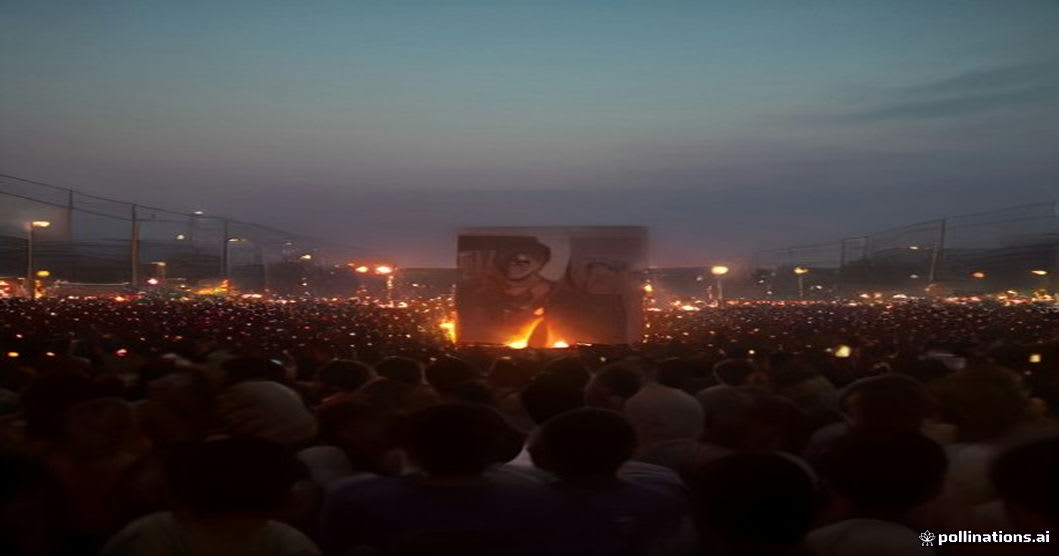
On a humid Thursday evening, the streets of Coimbatore transformed into a living tableau of adulation as thousands of fans gathered outside the Coimbatore International Airport and later at the Vijayalakshmi Theatre to catch a fleeting glimpse of Tamil‑Malayalam superstar Trisha Krishnan. What began as a modest promotional stop for her upcoming bilingual film quickly escalated into a massive fan surge, with onlookers brandishing handmade banners, chanting her name, and recording the spectacle on their smartphones.
The crowd density was so intense that police deployed additional traffic police units and women’s safety squads to manage the flow. Local vendors seized the moment, setting up makeshift stalls selling Trisha‑themed merchandise, from T‑shirts to printed photographs. The atmosphere was electric, reminiscent of the classic fan mobs that once gathered for legends like Rajinikanth and Kamal Haasan, yet tinged with the immediacy of today’s digital age.
"Seeing Trisha in person felt like a dream. I’ve been waiting for years, and the whole city seemed to feel the same excitement," said Ravi Kumar, a 24‑year‑old engineering student.
Why the Buzz? Trisha’s Recent Projects and Social Media Wave
Trisha’s surge in popularity can be traced to a confluence of recent career moves and a savvy social‑media strategy. After a successful stint in Malayalam cinema with ‘Madhuram’ and a high‑profile role in the Tamil thriller ‘Ponniyin Selvan’, the actress has been riding a wave of critical acclaim. Moreover, her Instagram reels and Twitter threads teasing the Coimbatore visit amassed over 2 million views within hours, igniting a viral chain reaction.
The timing was also strategic: the promotional tour coincided with the Tamil New Year celebrations, a period when fan enthusiasm traditionally spikes. Fans, eager to celebrate both the festival and their idol, organized WhatsApp groups and Telegram channels dedicated to tracking Trisha’s movements, effectively turning a single appearance into a city‑wide event.
On‑the‑Ground Realities: Crowd Management, Police Response, Local Business Impact
While the fan fervor painted a vibrant picture, it also exposed gaps in crowd‑management protocols. The Coimbatore City Police reported that the initial crowd estimate of 3,000 swelled to nearly 12,000 within an hour, straining the capacity of the airport’s temporary holding area. Officers resorted to public address announcements and portable barriers to prevent stampedes, a tactic that, while effective, highlighted the need for pre‑emptive planning.
Local businesses reported a 30% surge in footfall, with cafés and eateries near the venue witnessing record sales. However, the sudden influx also led to traffic snarls on Avinashi Road, prompting the Tamil Nadu Traffic Police to reroute vehicles and deploy additional traffic wardens.
Fan Culture in South Indian Cinema: A Historical Lens
The Trisha phenomenon is not an isolated incident; it sits within a broader tapestry of South Indian fan culture that dates back to the 1970s. Historically, fan clubs have acted as social collectives, organizing rallies, charity drives, and even political campaigns. The modern iteration, amplified by digital platforms, allows fans to coordinate in real time, turning spontaneous gatherings into orchestrated events.
In the 1990s, the arrival of Rajinikanth in a small town would trigger similar scenes, but those were largely media‑driven and limited by the era’s communication tools. Today, a single Instagram story can mobilize thousands, as evidenced by the Coimbatore surge.
Digital Amplification: How Social Media Fueled the Surge
The role of social media algorithms cannot be overstated. Trisha’s teaser video was pinned to the top of Instagram’s Explore page for users in Tamil Nadu, Karnataka, and Kerala. Hashtags like #TrishaInCoimbatore and #TrishaFanFever trended on Twitter, generating a cascade of user‑generated content that further amplified the event’s visibility.
Analytics from Socialbakers indicate a 250% increase in mentions of Trisha’s name across Indian social platforms in the 24‑hour window surrounding her visit. This digital echo chamber not only drew more fans to the physical location but also attracted national media coverage, turning a regional fan gathering into a nation‑wide headline.
Voices from the Crowd: Personal Reflections
"We’ve been following Trisha’s career since ‘Mounam Pesiyadhe’. Seeing her here feels like she’s acknowledging us, the everyday fans," shared Lakshmi, a 38‑year‑old school teacher.
"The police were efficient, but the crowd was overwhelming. I hope future events have better planning," noted Arun, a local shop owner.
These testimonies underscore a dual narrative: celebrity adoration paired with logistical challenges, a balance that event planners must navigate.
Editorial Analysis & Future Outlook
The Coimbatore fan surge serves as a microcosm of evolving celebrity‑fan dynamics in India’s digital age. Trisha’s magnetic pull demonstrates that regional stars can generate pan‑Indian buzz, especially when their brand is amplified through strategic social‑media teasers. However, the incident also spotlights a pressing need for robust crowd‑control frameworks that can adapt to rapid, AI‑driven fan mobilizations.
Looking ahead, we can anticipate more coordinated fan events, possibly involving live‑streamed interactions that mitigate physical crowding while preserving fan engagement. Municipal authorities may collaborate with celebrity management teams to develop pre‑emptive crowd‑prediction models, leveraging data from platforms like Google Trends and Twitter Firehose.
Economically, such gatherings can become temporary stimulus packages for local economies, but they also risk infrastructure strain if not managed prudently. The key will be striking a balance—leveraging fan enthusiasm for cultural and commercial gain while safeguarding public safety.
In sum, Trisha’s Coimbatore visit is more than a fleeting fan moment; it is a case study in 21st‑century fandom, where celebrity charisma, digital amplification, and urban logistics intersect. Stakeholders—from film producers to city planners—must heed the lessons of this episode to craft sustainable, fan‑centric experiences in the years to come.
Original Reporting & Source: India Today Top Stories

Discussion (0)
Sign in to join the discussion.
No comments yet. Be the first to start the conversation!