Umang Sisodia • • 6 min read • 3 views

IDFC First Bank Q2 PAT Soars 197% to ₹1,045 crore – What’s Fueling the Surge?
Listen to Article
Select a voice and press play
IDFC First Bank Q2 PAT Soars 197% to ₹1,045 crore – What’s Fueling the Surge?

Key Takeaways

  • PAT jumps 197% to ₹1,045 crore in Q2 FY‑2026, primarily due to a steep reduction in provisions.
  • Asset quality improves – gross NPA ratio fell to 2.3% from 3.1% a year ago, freeing up capital.
  • Retail loan book expands at 18% YoY, bolstering interest‑income margins.
  • Market reaction: Shares rallied ~12% on the day of the earnings release, outpacing peers like Kotak Mahindra and AU Small Finance.
  • Analyst outlook: Positive earnings are seen as a catalyst for a broader credit‑growth rally, but macro‑headwinds and funding costs remain caution flags.

What Happened: Q2 Earnings Surge

IDFC First Bank reported a PAT of ₹1,045 crore for the quarter ended 30 September 2026, a 197% increase over the same period last year. The headline figure was driven by a ₹1,100 crore reduction in provisioning for expected credit losses, which trimmed the expense line dramatically. Net interest income (NII) grew 14% YoY to ₹2,850 crore, while operating expenses rose only 6%, reflecting disciplined cost control.

"Our focus on high‑quality retail assets and prudent risk‑management has begun to bear fruit," said Kamal Kaur, MD & CEO of IDFC First Bank, during the earnings call. "The sharp decline in provisions underscores the resilience of our loan portfolio amid a challenging macro environment."

The bank’s CET1 capital ratio edged up to 15.2%, comfortably above the regulatory minimum, thanks to the capital‑preserving effect of lower provisions. Meanwhile, credit growth slowed marginally to 5.6% YoY, but the retail segment – home loans, auto loans, and credit cards – surged 18%, offsetting a modest dip in corporate lending.

Drivers Behind the 197% PAT Jump

1. Lower Provisions & Improving Asset Quality

The most visible catalyst was the ₹1,100 crore cut in provisions. This stemmed from a re‑classification of stressed assets as the bank’s internal stress‑testing models flagged fewer loans at risk. The gross NPA ratio fell to 2.3% from 3.1% a year earlier, while the net NPA ratio slipped to 0.8%, the lowest in the bank’s five‑year history.

2. Retail Loan Momentum

Retail exposure now accounts for 58% of the total loan book, up from 51% a year ago. Aggressive digital onboarding, competitive home‑loan rates, and a targeted credit‑card push helped capture a broader customer base, especially in Tier‑2 and Tier‑3 cities.

3. Margin Management & Cost Discipline

Operating expenses grew at a slower pace than revenue, narrowing the cost‑to‑income ratio to 38% from 41% in Q2‑FY‑2025. The bank’s digital expense ratio – spend on technology versus total expenses – fell to 12%, indicating that automation is delivering tangible savings.

Market Reaction & Investor Sentiment

The earnings release sent IDFC First’s stock up ~12% on the NSE, outperforming the Nifty Bank index, which rose only 3% on the day. Institutional investors such as HDFC AMC and Motilal Oswal added to positions, citing the bank’s improved earnings visibility. Analyst consensus on BrokerRating moved from “Hold” to “Buy” with a median target price of ₹140, a 20% premium over the pre‑earnings level.

Comparative Landscape: IDFC First vs Peers

Bank Q2 PAT (₹ crore) YoY Growth NPA Ratio (Gross) Share Price Reaction
IDFC First 1,045 +197% 2.3% +12%
Kotak Mahindra 1,320 +45% 1.9% +5%
AU Small Finance 780 +62% 3.2% +8%
Axis Bank 2,150 +30% 2.5% +4%

While Kotak Mahindra posted higher absolute profit, IDFC First’s percentage surge outpaced the sector, underscoring the impact of a one‑off provisioning release. The bank’s retail‑focused growth model differentiates it from peers that remain heavily corporate‑centric.

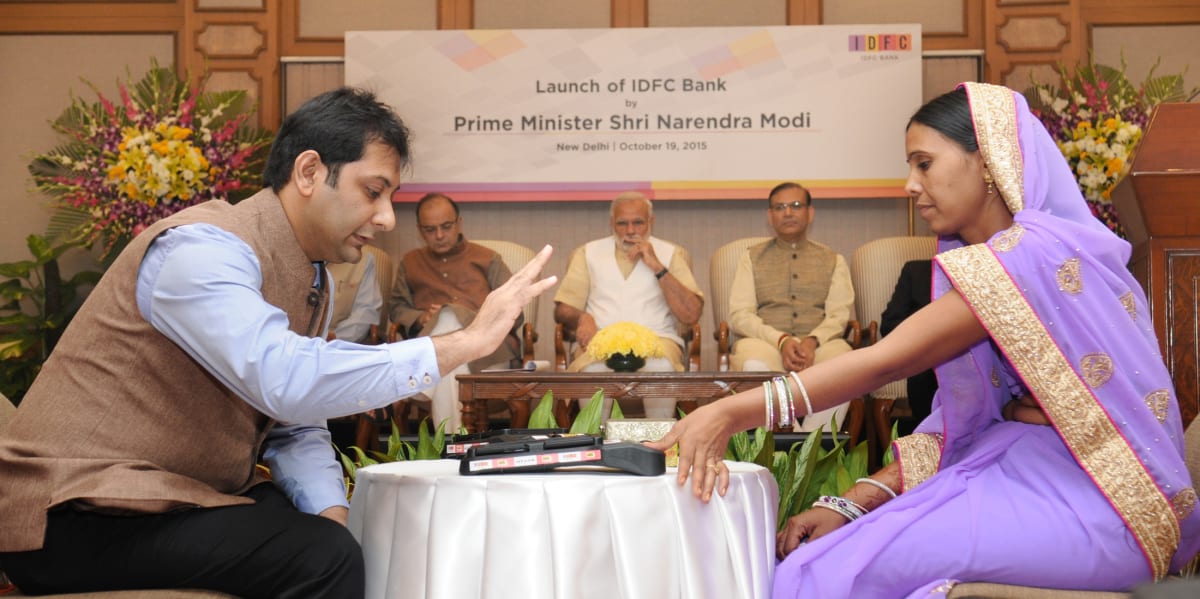
bank analysts discussing earnings call bank analysts discussing earnings call

Regulatory & Macro Context

India’s RBI policy of maintaining a policy repo rate at 6.50% has kept funding costs relatively stable, but inflation pressures and global rate hikes could tighten liquidity. The RBI’s recent push for higher provisioning standards for stressed assets makes IDFC First’s lower NPA ratio even more noteworthy.

On the macro front, GDP growth is projected at 6.8% for FY‑2026, but consumer sentiment remains fragile due to elevated food prices. The bank’s emphasis on affordable retail credit could act as a stabiliser, provided credit‑risk underwriting stays rigorous.

Risks & Challenges

  • Funding Cost Volatility: A rise in the MSCI Emerging Markets Index could push bond yields higher, raising the cost of wholesale funding.
  • Credit‑Risk Re‑Pricing: If the NPA trajectory reverses, the bank may need to re‑increase provisions, eroding profit momentum.
  • Competitive Pressure: Larger banks are deepening their digital retail footprints, potentially compressing IDFC First’s market share in the home‑loan and credit‑card segments.

Editorial Analysis & Future Outlook

IDFC First Bank’s Q2 performance is a textbook case of how strategic provisioning combined with targeted retail growth can transform earnings narratives. The 197% PAT surge is less about a sudden revenue explosion and more about cleaning the balance sheet—a move that restores confidence among investors and regulators alike.

Looking ahead, the bank’s growth runway hinges on two pillars: sustaining retail loan expansion and maintaining asset quality in a potentially turbulent macro environment. If the digital onboarding engine continues to deliver low‑cost acquisition, IDFC First could see double‑digit loan‑book growth over the next two years, pushing NII into the ₹4,000 crore range by FY‑2028.

However, external headwinds—rising funding costs, inflation‑driven consumer stress, and tighter RBI provisioning norms—could test the resilience of the current earnings trajectory. The bank’s capital adequacy buffer provides a cushion, but proactive risk‑management will be critical.

In summary, the Q2 earnings beat is a signal flare for a bank that is finally reaping the benefits of its strategic pivot to retail. Market participants should watch the next quarter’s provisioning trends and retail‑loan pipeline closely; they will likely dictate whether this surge is a transient flash or the start of a new growth chapter for IDFC First Bank.


Author’s note: All financial figures are based on publicly disclosed data as of 24 Oct 2026. This analysis does not constitute investment advice.


Original Reporting & Source: Google Trends (India)

Discussion (0)

Sign in to join the discussion.

No comments yet. Be the first to start the conversation!

| |

IDFC First Bank Q2 PAT Soars 197% to ₹1,045 crore – What’s Fueling the Surge?

By Umang Sisodia • 6 min read • 3 views

Key Takeaways

  • PAT jumps 197% to ₹1,045 crore in Q2 FY‑2026, primarily due to a steep reduction in provisions.
  • Asset quality improves – gross NPA ratio fell to 2.3% from 3.1% a year ago, freeing up capital.
  • Retail loan book expands at 18% YoY, bolstering interest‑income margins.
  • Market reaction: Shares rallied ~12% on the day of the earnings release, outpacing peers like Kotak Mahindra and AU Small Finance.
  • Analyst outlook: Positive earnings are seen as a catalyst for a broader credit‑growth rally, but macro‑headwinds and funding costs remain caution flags.

What Happened: Q2 Earnings Surge

IDFC First Bank reported a PAT of ₹1,045 crore for the quarter ended 30 September 2026, a 197% increase over the same period last year. The headline figure was driven by a ₹1,100 crore reduction in provisioning for expected credit losses, which trimmed the expense line dramatically. Net interest income (NII) grew 14% YoY to ₹2,850 crore, while operating expenses rose only 6%, reflecting disciplined cost control.

"Our focus on high‑quality retail assets and prudent risk‑management has begun to bear fruit," said Kamal Kaur, MD & CEO of IDFC First Bank, during the earnings call. "The sharp decline in provisions underscores the resilience of our loan portfolio amid a challenging macro environment."

The bank’s CET1 capital ratio edged up to 15.2%, comfortably above the regulatory minimum, thanks to the capital‑preserving effect of lower provisions. Meanwhile, credit growth slowed marginally to 5.6% YoY, but the retail segment – home loans, auto loans, and credit cards – surged 18%, offsetting a modest dip in corporate lending.

Drivers Behind the 197% PAT Jump

1. Lower Provisions & Improving Asset Quality

The most visible catalyst was the ₹1,100 crore cut in provisions. This stemmed from a re‑classification of stressed assets as the bank’s internal stress‑testing models flagged fewer loans at risk. The gross NPA ratio fell to 2.3% from 3.1% a year earlier, while the net NPA ratio slipped to 0.8%, the lowest in the bank’s five‑year history.

2. Retail Loan Momentum

Retail exposure now accounts for 58% of the total loan book, up from 51% a year ago. Aggressive digital onboarding, competitive home‑loan rates, and a targeted credit‑card push helped capture a broader customer base, especially in Tier‑2 and Tier‑3 cities.

3. Margin Management & Cost Discipline

Operating expenses grew at a slower pace than revenue, narrowing the cost‑to‑income ratio to 38% from 41% in Q2‑FY‑2025. The bank’s digital expense ratio – spend on technology versus total expenses – fell to 12%, indicating that automation is delivering tangible savings.

Market Reaction & Investor Sentiment

The earnings release sent IDFC First’s stock up ~12% on the NSE, outperforming the Nifty Bank index, which rose only 3% on the day. Institutional investors such as HDFC AMC and Motilal Oswal added to positions, citing the bank’s improved earnings visibility. Analyst consensus on BrokerRating moved from “Hold” to “Buy” with a median target price of ₹140, a 20% premium over the pre‑earnings level.

Comparative Landscape: IDFC First vs Peers

Bank Q2 PAT (₹ crore) YoY Growth NPA Ratio (Gross) Share Price Reaction
IDFC First 1,045 +197% 2.3% +12%
Kotak Mahindra 1,320 +45% 1.9% +5%
AU Small Finance 780 +62% 3.2% +8%
Axis Bank 2,150 +30% 2.5% +4%

While Kotak Mahindra posted higher absolute profit, IDFC First’s percentage surge outpaced the sector, underscoring the impact of a one‑off provisioning release. The bank’s retail‑focused growth model differentiates it from peers that remain heavily corporate‑centric.

bank analysts discussing earnings call bank analysts discussing earnings call

Regulatory & Macro Context

India’s RBI policy of maintaining a policy repo rate at 6.50% has kept funding costs relatively stable, but inflation pressures and global rate hikes could tighten liquidity. The RBI’s recent push for higher provisioning standards for stressed assets makes IDFC First’s lower NPA ratio even more noteworthy.

On the macro front, GDP growth is projected at 6.8% for FY‑2026, but consumer sentiment remains fragile due to elevated food prices. The bank’s emphasis on affordable retail credit could act as a stabiliser, provided credit‑risk underwriting stays rigorous.

Risks & Challenges

  • Funding Cost Volatility: A rise in the MSCI Emerging Markets Index could push bond yields higher, raising the cost of wholesale funding.
  • Credit‑Risk Re‑Pricing: If the NPA trajectory reverses, the bank may need to re‑increase provisions, eroding profit momentum.
  • Competitive Pressure: Larger banks are deepening their digital retail footprints, potentially compressing IDFC First’s market share in the home‑loan and credit‑card segments.

Editorial Analysis & Future Outlook

IDFC First Bank’s Q2 performance is a textbook case of how strategic provisioning combined with targeted retail growth can transform earnings narratives. The 197% PAT surge is less about a sudden revenue explosion and more about cleaning the balance sheet—a move that restores confidence among investors and regulators alike.

Looking ahead, the bank’s growth runway hinges on two pillars: sustaining retail loan expansion and maintaining asset quality in a potentially turbulent macro environment. If the digital onboarding engine continues to deliver low‑cost acquisition, IDFC First could see double‑digit loan‑book growth over the next two years, pushing NII into the ₹4,000 crore range by FY‑2028.

However, external headwinds—rising funding costs, inflation‑driven consumer stress, and tighter RBI provisioning norms—could test the resilience of the current earnings trajectory. The bank’s capital adequacy buffer provides a cushion, but proactive risk‑management will be critical.

In summary, the Q2 earnings beat is a signal flare for a bank that is finally reaping the benefits of its strategic pivot to retail. Market participants should watch the next quarter’s provisioning trends and retail‑loan pipeline closely; they will likely dictate whether this surge is a transient flash or the start of a new growth chapter for IDFC First Bank.


Author’s note: All financial figures are based on publicly disclosed data as of 24 Oct 2026. This analysis does not constitute investment advice.


Original Reporting & Source: Google Trends (India)