Umang Sisodia • • 6 min read • 1 view
Trump Links US‑Canada Trade Deal to Reviving the Keystone XL Pipeline – What It Means for North America

Key Takeaways
- President Donald Trump claims the upcoming US‑Canada trade agreement implicitly supports the controversial Keystone XL pipeline.
- The statement reignites a long‑standing debate over energy security, climate commitments, and cross‑border economics.
- Both governments have been quietly negotiating trade terms, but the pipeline’s inclusion could reshape political calculations ahead of the 2024 US elections.
- Environmental groups, industry lobbyists, and Indigenous communities are poised to challenge any move, potentially leading to legal battles and market volatility.
The Announcement That Set the Internet Abuzz
On April 25, 2024, former President Donald Trump took to a press briefing in Washington, D.C., to tout a prospective US‑Canada trade deal. While the core of the discussion centered on tariff reductions and agricultural market access, Trump dropped a bombshell: the deal conceptually includes the Keystone XL pipeline.
"We’re looking at a great trade agreement with Canada, and yes, it’s going to bring back Keystone. It’s good for jobs, good for energy, and it’s going to be a win‑win for both nations," Trump declared.
The comment instantly trended on Google, Twitter, and news aggregators, prompting a cascade of analyses from political pundits to environmental NGOs. The phrase "Keystone XL in a trade deal" spiked to the top of Google Trends within hours, reflecting a public eager to decode the implications.
Why the Keystone XL Pipeline Returns to the Spotlight
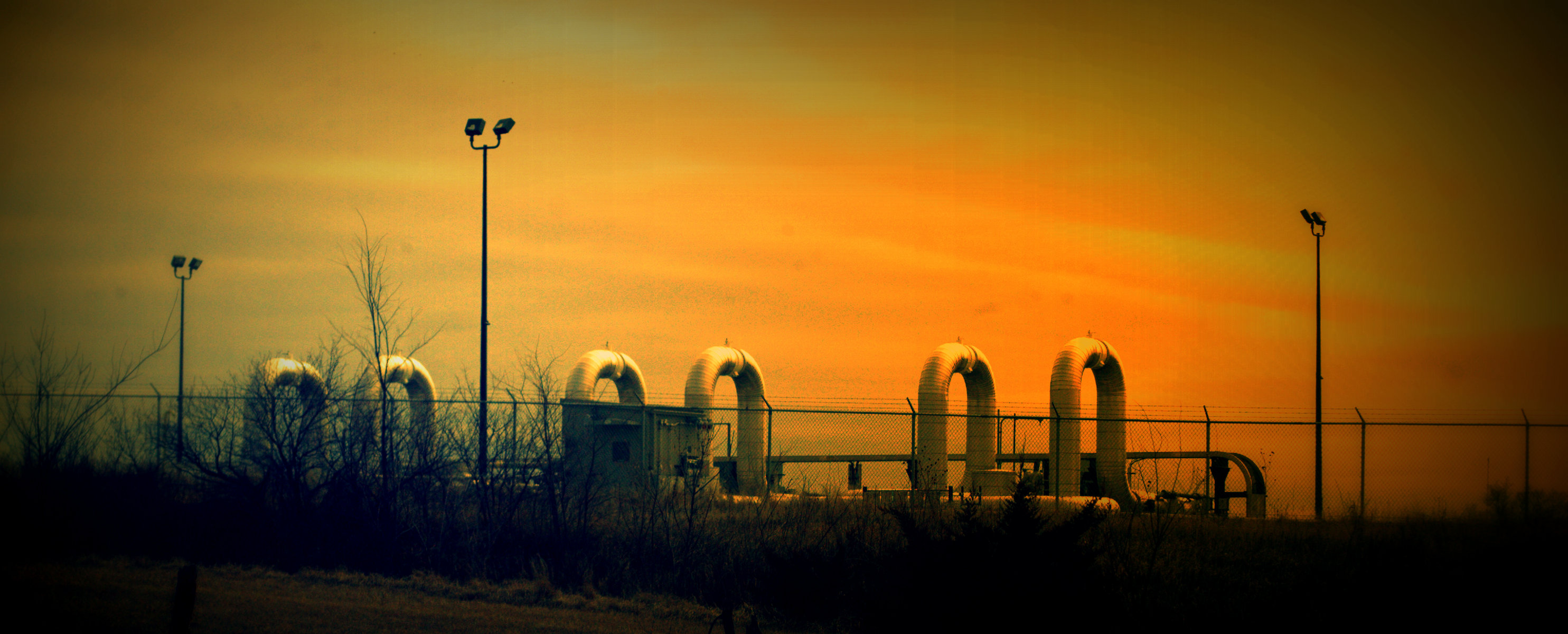
The Keystone XL project, a 1,179‑mile oil pipeline stretching from the Alberta tar sands to Gulf Coast refineries, was first proposed in 2008. After years of legal challenges, President Barack Obama halted it in 2015, and President Joe Biden formally revoked its permit in 2021, citing climate concerns.
Trump’s revival of the pipeline is more than a nostalgic nod to his 2017‑2020 administration’s energy agenda; it signals a strategic pivot:
- Energy Security: Proponents argue that Keystone would diversify U.S. oil imports, reducing reliance on volatile regions.
- Economic Incentives: The pipeline promises thousands of construction jobs and long‑term operational employment.
- Political Capital: In a swing‑state landscape, pledging to bring back Keystone could rally the energy‑focused electorate.
Trade Deal Mechanics: US‑Canada Negotiations
While the United States‑Mexico‑Canada Agreement (USMCA) still governs North American trade, both Washington and Ottawa have been exploring a supplemental bilateral framework. Sources close to the negotiations reveal:
- Tariff Reductions: Proposals to lower duties on automotive parts, dairy, and lumber.
- Regulatory Alignment: Streamlining customs procedures to accelerate cross‑border logistics.
- Energy Clause: A tentative provision that would recognize the Keystone XL pipeline as a critical infrastructure project, potentially easing permitting hurdles.
The inclusion of an energy clause is unprecedented in modern trade agreements, which traditionally focus on goods and services rather than specific infrastructure projects.
Political Calculus Behind the Statement
Trump’s timing aligns with several converging factors:
- 2024 Election Cycle: As the Republican primary field narrows, energy‑policy victories serve as rally‑cry material.
- Canadian Political Landscape: Prime Minister Justin Trudeau faces pressure from provincial premiers who favor the pipeline for job creation.
- Domestic Energy Debate: With rising gasoline prices and a growing push for renewable energy, the pipeline becomes a flashpoint for broader policy debates.
By linking the trade deal to Keystone, Trump attempts to reframe the narrative from a purely environmental controversy to a bilateral economic opportunity.
 Keystone XL pipeline Alberta Canada
Reactions Across the Spectrum
Government Responses
- U.S. State Department: A spokesperson described the comment as “reflective of ongoing discussions” but stopped short of confirming any formal inclusion.
- Canadian Ministry of International Trade: Officials emphasized that any trade agreement must respect Indigenous rights and environmental assessments.
Industry and Business Leaders
- Oil & Gas CEOs hailed the statement as a “clear signal to investors”, predicting a surge in share prices for companies like TC Energy.
- Agricultural lobbyists expressed caution, fearing that the pipeline focus could dilute attention from critical farm‑trade issues.
Environmental and Indigenous Groups
- Sierra Club and Friends of the Earth issued joint statements condemning the move as a “regressive step” that undermines climate goals.
- Indigenous Nations along the pipeline route, including the Mandan, Hidatsa, and Arikara Nation, reiterated legal opposition, citing treaty rights and potential water contamination.
Legal and Environmental Hurdles
Even if the trade deal formally acknowledges Keystone, multiple legal barriers remain:
- Federal Permit Revocation: The Biden administration’s 2021 revocation still stands; overturning it would require a new executive order or congressional action.
- Court Challenges: Past lawsuits have argued that the pipeline violates the National Environmental Policy Act (NEPA) and Indigenous treaty rights.
- Climate Commitments: Canada’s pledge to achieve net‑zero emissions by 2050 could clash with a project that adds ~600,000 barrels of oil per day to the market.
These complexities suggest that any revival will be a protracted, contentious process, potentially stretching over several years.
What This Means for Future US‑Canada Trade
If the pipeline clause survives political and legal scrutiny, its ripple effects could include:
- Shift in Trade Priorities: Energy infrastructure may become a recurring theme in future agreements, altering the balance between resource extraction and green technology.
- Supply‑Chain Realignments: A functional Keystone could reduce reliance on oil imports from the Middle East, influencing global oil price dynamics.
- Geopolitical Signalling: Demonstrating a willingness to collaborate on large‑scale energy projects could strengthen North American strategic autonomy amid rising global tensions.
Conversely, a failed attempt could reinforce the momentum behind renewable energy investments and accelerate the decline of fossil‑fuel‑centric trade policies.
Editorial Analysis & Future Outlook
The Trump‑Keystone revelation is emblematic of a new era where trade diplomacy intertwines with climate politics. While the immediate buzz is driven by the headline‑grabbing claim, the underlying reality is far more nuanced.
Strategically, the United States seeks to leverage its trade leverage to secure energy projects that promise short‑term economic gains. Canada, balancing its own climate commitments, must navigate domestic pressures from provinces eager for jobs against federal green‑policy mandates.
In the long term, we anticipate three possible trajectories:
- Compromise Integration – A scaled‑down version of Keystone, perhaps limited to certain segments, could be embedded within a broader trade framework that also includes renewable‑energy cooperation.
- Policy Stalemate – Persistent legal challenges and public opposition may stall the pipeline indefinitely, prompting both nations to redirect focus toward hydrogen, carbon capture, and clean‑tech trade.
- Geopolitical Realignment – Should the pipeline proceed, North America could emerge with a more self‑sufficient energy corridor, reshaping global supply chains and influencing future trade negotiations with Europe and Asia.
For readers, the key takeaway is that energy infrastructure will increasingly become a bargaining chip in trade talks. Stakeholders—from investors to environmental advocates—must stay attuned to how policy statements translate into concrete regulatory actions. The next few months will reveal whether Trump’s bold claim is a political lever or the first step toward a revived Keystone era.
Original Reporting & Source: India Today Top Stories

Discussion (0)
Sign in to join the discussion.
No comments yet. Be the first to start the conversation!