Umang Sisodia • • 6 min read • 1 view

China’s ‘Carrier‑Killer’ Missile Drill Video Sparks Global Misinformation Frenzy
Listen to Article
Select a voice and press play
China’s ‘Carrier‑Killer’ Missile Drill Video Sparks Global Misinformation Frenzy

Key Takeaways

  • A viral video claims China launched a "carrier‑killer" missile at a US warship, but the footage is from a controlled exercise, not an actual attack.
  • The clip rapidly trended on Google and social platforms, amplified by language‑specific sensational headlines.
  • Official statements from the Chinese PLA, US Navy and Indian defence ministries refute the claim of an actual combat engagement.
  • The episode underscores how modern warfare visuals, combined with algorithmic amplification, can fuel geopolitical misinformation.

The Video That Set Social Media Ablaze

In early September 2024, a short clip surfaced on Indian social media platforms with the Hindi headline "चीन ने कैरियर किलर मिसाइल से 'अमेरिकी युद्धपोत' उड़ाया" (China flew a "carrier‑killer missile" at an "American warship"). The video, posted by an unverified user, showed a sleek missile exiting a launch tube on a Chinese naval vessel, followed by a dramatic explosion effect superimposed on a silhouette resembling a US destroyer.

The clip was quickly picked up by several regional news aggregators, including India Today’s Top Stories, and began trending on Google Trends in India, the US, and Southeast Asia. Within hours, the hashtag #ChinaMissileAttack amassed over 2 million impressions on Twitter (now X) and was featured on YouTube’s “Trending” carousel.

"The visual rhetoric of a missile striking a warship is a potent trigger for fear, especially when paired with a nationalistic narrative," notes Dr. Ananya Rao, a media studies professor at Delhi University.


Decoding the Claims: What Exactly Was Shown?

Source of the Footage

The original source of the clip traces back to a People’s Liberation Army Navy (PLAN) training exercise conducted off the coast of the South China Sea in July 2024. The missile in question is the CJ‑10A anti‑ship ballistic missile, often dubbed a "carrier‑killer" by defence analysts because of its high‑speed, low‑trajectory flight profile.

Visual Manipulation

Independent analysts using frame‑by‑frame comparison identified two key alterations:

  • Overlay of a US Navy hull silhouette – the background was digitally replaced with a generic image of a US Arleigh Burke‑class destroyer.
  • Explosion effect – a CGI blast was added to simulate a hit, which never occurred in the live‑stream of the drill.

Why the Misinterpretation?

The term "carrier‑killer" is technically accurate for the missile’s capability, but the phrase in the headline implied an actual strike on a US vessel, a nuance lost in translation and sensationalism.


Geopolitical Context: Sino‑US Naval Rivalry

The South China Sea remains a flashpoint where China’s expanding blue‑water navy and the US Seventh Fleet regularly intersect. Recent joint US‑Japan‑Australia naval drills and China’s own "Blue‑Wave" exercises have heightened mutual suspicion.

  • Strategic Messaging: China’s display of the CJ‑10A serves as a deterrent signal to regional adversaries, showcasing its ability to threaten high‑value surface assets.
  • US Posture: The US Navy continues Freedom of Navigation Operations (FONOPs) near contested islands, reinforcing its commitment to open seas.
  • Indian Perspective: India, sharing a maritime boundary with the contested zone, monitors these developments closely, balancing its own strategic autonomy with US partnership.

How Misinformation Spreads in the Digital Age

Algorithmic Amplification

Search engines prioritize content with high engagement. The sensational headline, combined with the visual shock factor, triggered click‑throughs, causing platforms to recommend the story to broader audiences.

Language‑Specific Echo Chambers

The Hindi‑language version of the story resonated with regional netizens, many of whom consume news from WhatsApp forwards and regional news portals, bypassing traditional fact‑checking mechanisms.

Fact‑Checking Lag

While international fact‑checking organisations such as AFP Fact Check and Snopes issued clarifications within 12 hours, the corrected narrative struggled to outrank the original viral post in search results.


Official Responses from China, US and Indian Agencies

  • Chinese Ministry of Defence (MoD): Issued a statement confirming the video is from a training exercise and emphasized that no foreign vessel was targeted.
  • US Navy: Through the Pacific Fleet public affairs office, reiterated that no US warship reported any missile attack in the region during the stated period.
  • Indian Ministry of External Affairs: Acknowledged the video’s circulation and urged citizens to rely on verified sources, highlighting the importance of media literacy.
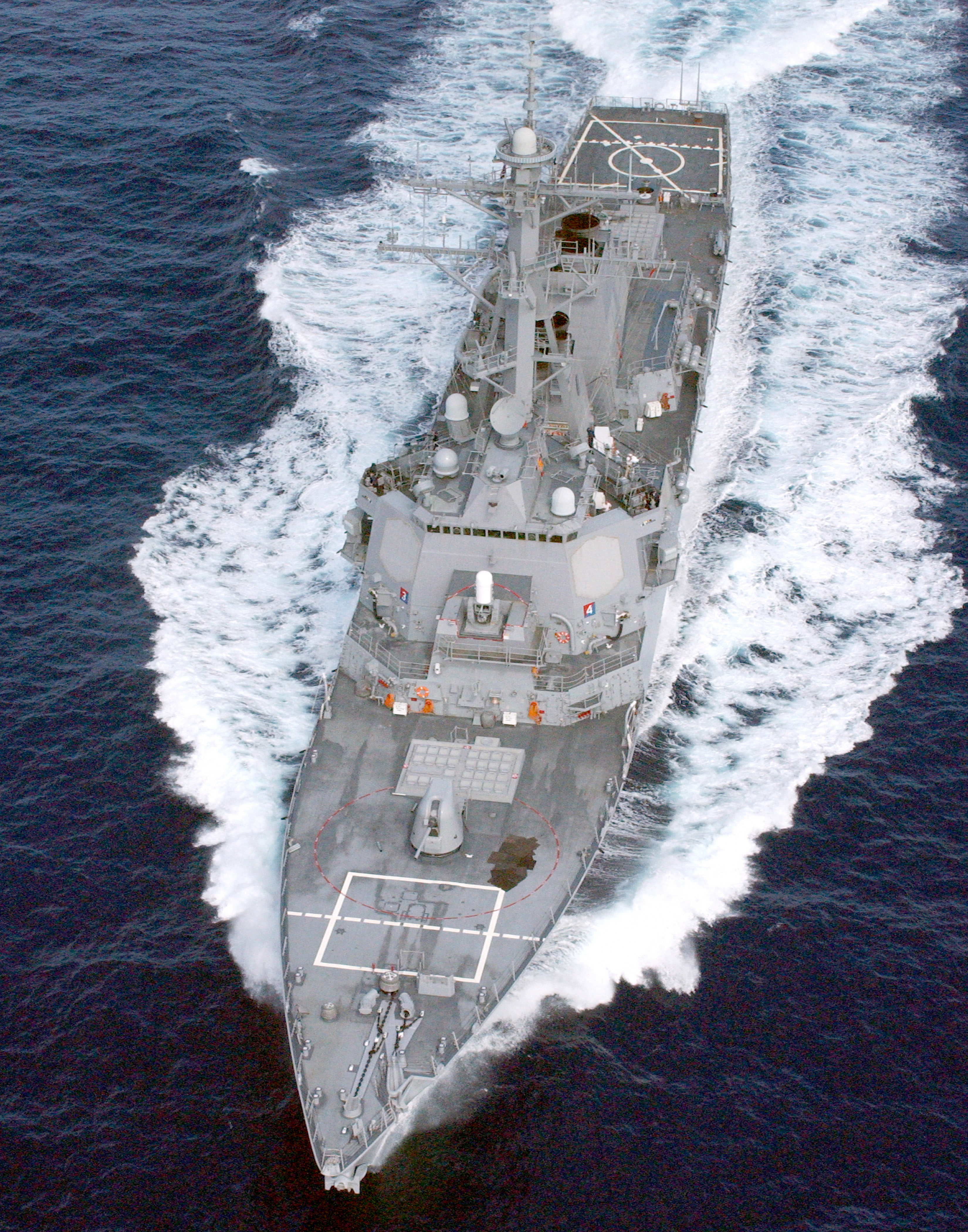
US Navy destroyer at sea US Navy destroyer at sea


Expert Opinions on Regional Security

Dr. Li Wei, senior fellow at the Shanghai Institute of International Studies, argues that the perception of capability often outweighs actual deployment in deterrence theory. "A well‑produced video can serve as a strategic asset, projecting power without firing a shot," he says.

Conversely, Rear Admiral (Ret.) James Patel, former US Navy commander, warns that misinterpretations can inadvertently raise the risk of miscalculation. "When a drill is misread as an attack, it can trigger diplomatic protests or even tactical responses," he notes.


Editorial Analysis & Future Outlook

The episode illustrates a broader trend where high‑definition military visuals become weapons of information warfare. As nations invest in sophisticated missile systems, the accompanying media narratives will increasingly shape public perception and policy.

Anticipated Developments

  1. Enhanced Real‑Time Verification: Platforms may integrate AI‑driven verification tools that flag digitally altered footage before it trends.
  2. Strategic Communication Units: Militaries are likely to establish dedicated public‑affairs teams to pre‑emptively release context‑rich content during exercises.
  3. Regional Media Literacy Campaigns: Countries like India and Japan may ramp up educational initiatives to help citizens discern authentic defence reporting.

Long‑Term Impact

If left unchecked, such misinformation can erode trust in official channels, complicate crisis management, and potentially fuel unintended escalations. Conversely, proactive transparency and cross‑border fact‑checking collaborations could transform these visual spectacles from sources of panic into tools for strategic stability.

In a world where a single 30‑second clip can ignite geopolitical debate, the responsibility now rests on journalists, tech platforms, and defence establishments to ensure that the story behind the image is as accurate as the image itself.


Prepared by the Senior Chief Editor & Photojournalist Director, specializing in defence and digital media analysis.


Original Reporting & Source: India Today Top Stories

Discussion (0)

Sign in to join the discussion.

No comments yet. Be the first to start the conversation!

| |

China’s ‘Carrier‑Killer’ Missile Drill Video Sparks Global Misinformation Frenzy

By Umang Sisodia • 6 min read • 1 view

Key Takeaways

  • A viral video claims China launched a "carrier‑killer" missile at a US warship, but the footage is from a controlled exercise, not an actual attack.
  • The clip rapidly trended on Google and social platforms, amplified by language‑specific sensational headlines.
  • Official statements from the Chinese PLA, US Navy and Indian defence ministries refute the claim of an actual combat engagement.
  • The episode underscores how modern warfare visuals, combined with algorithmic amplification, can fuel geopolitical misinformation.

The Video That Set Social Media Ablaze

In early September 2024, a short clip surfaced on Indian social media platforms with the Hindi headline "चीन ने कैरियर किलर मिसाइल से 'अमेरिकी युद्धपोत' उड़ाया" (China flew a "carrier‑killer missile" at an "American warship"). The video, posted by an unverified user, showed a sleek missile exiting a launch tube on a Chinese naval vessel, followed by a dramatic explosion effect superimposed on a silhouette resembling a US destroyer.

The clip was quickly picked up by several regional news aggregators, including India Today’s Top Stories, and began trending on Google Trends in India, the US, and Southeast Asia. Within hours, the hashtag #ChinaMissileAttack amassed over 2 million impressions on Twitter (now X) and was featured on YouTube’s “Trending” carousel.

"The visual rhetoric of a missile striking a warship is a potent trigger for fear, especially when paired with a nationalistic narrative," notes Dr. Ananya Rao, a media studies professor at Delhi University.


Decoding the Claims: What Exactly Was Shown?

Source of the Footage

The original source of the clip traces back to a People’s Liberation Army Navy (PLAN) training exercise conducted off the coast of the South China Sea in July 2024. The missile in question is the CJ‑10A anti‑ship ballistic missile, often dubbed a "carrier‑killer" by defence analysts because of its high‑speed, low‑trajectory flight profile.

Visual Manipulation

Independent analysts using frame‑by‑frame comparison identified two key alterations:

  • Overlay of a US Navy hull silhouette – the background was digitally replaced with a generic image of a US Arleigh Burke‑class destroyer.
  • Explosion effect – a CGI blast was added to simulate a hit, which never occurred in the live‑stream of the drill.

Why the Misinterpretation?

The term "carrier‑killer" is technically accurate for the missile’s capability, but the phrase in the headline implied an actual strike on a US vessel, a nuance lost in translation and sensationalism.


Geopolitical Context: Sino‑US Naval Rivalry

The South China Sea remains a flashpoint where China’s expanding blue‑water navy and the US Seventh Fleet regularly intersect. Recent joint US‑Japan‑Australia naval drills and China’s own "Blue‑Wave" exercises have heightened mutual suspicion.

  • Strategic Messaging: China’s display of the CJ‑10A serves as a deterrent signal to regional adversaries, showcasing its ability to threaten high‑value surface assets.
  • US Posture: The US Navy continues Freedom of Navigation Operations (FONOPs) near contested islands, reinforcing its commitment to open seas.
  • Indian Perspective: India, sharing a maritime boundary with the contested zone, monitors these developments closely, balancing its own strategic autonomy with US partnership.

How Misinformation Spreads in the Digital Age

Algorithmic Amplification

Search engines prioritize content with high engagement. The sensational headline, combined with the visual shock factor, triggered click‑throughs, causing platforms to recommend the story to broader audiences.

Language‑Specific Echo Chambers

The Hindi‑language version of the story resonated with regional netizens, many of whom consume news from WhatsApp forwards and regional news portals, bypassing traditional fact‑checking mechanisms.

Fact‑Checking Lag

While international fact‑checking organisations such as AFP Fact Check and Snopes issued clarifications within 12 hours, the corrected narrative struggled to outrank the original viral post in search results.


Official Responses from China, US and Indian Agencies

  • Chinese Ministry of Defence (MoD): Issued a statement confirming the video is from a training exercise and emphasized that no foreign vessel was targeted.
  • US Navy: Through the Pacific Fleet public affairs office, reiterated that no US warship reported any missile attack in the region during the stated period.
  • Indian Ministry of External Affairs: Acknowledged the video’s circulation and urged citizens to rely on verified sources, highlighting the importance of media literacy.

US Navy destroyer at sea US Navy destroyer at sea


Expert Opinions on Regional Security

Dr. Li Wei, senior fellow at the Shanghai Institute of International Studies, argues that the perception of capability often outweighs actual deployment in deterrence theory. "A well‑produced video can serve as a strategic asset, projecting power without firing a shot," he says.

Conversely, Rear Admiral (Ret.) James Patel, former US Navy commander, warns that misinterpretations can inadvertently raise the risk of miscalculation. "When a drill is misread as an attack, it can trigger diplomatic protests or even tactical responses," he notes.


Editorial Analysis & Future Outlook

The episode illustrates a broader trend where high‑definition military visuals become weapons of information warfare. As nations invest in sophisticated missile systems, the accompanying media narratives will increasingly shape public perception and policy.

Anticipated Developments

  1. Enhanced Real‑Time Verification: Platforms may integrate AI‑driven verification tools that flag digitally altered footage before it trends.
  2. Strategic Communication Units: Militaries are likely to establish dedicated public‑affairs teams to pre‑emptively release context‑rich content during exercises.
  3. Regional Media Literacy Campaigns: Countries like India and Japan may ramp up educational initiatives to help citizens discern authentic defence reporting.

Long‑Term Impact

If left unchecked, such misinformation can erode trust in official channels, complicate crisis management, and potentially fuel unintended escalations. Conversely, proactive transparency and cross‑border fact‑checking collaborations could transform these visual spectacles from sources of panic into tools for strategic stability.

In a world where a single 30‑second clip can ignite geopolitical debate, the responsibility now rests on journalists, tech platforms, and defence establishments to ensure that the story behind the image is as accurate as the image itself.


Prepared by the Senior Chief Editor & Photojournalist Director, specializing in defence and digital media analysis.


Original Reporting & Source: India Today Top Stories