Umang Sisodia • • 6 min read • 2 views
Gen Z Uprising in Germany: Cost‑of‑Living Protests, Education Grievances and Frankfurt Looting Spark Nationwide Debate
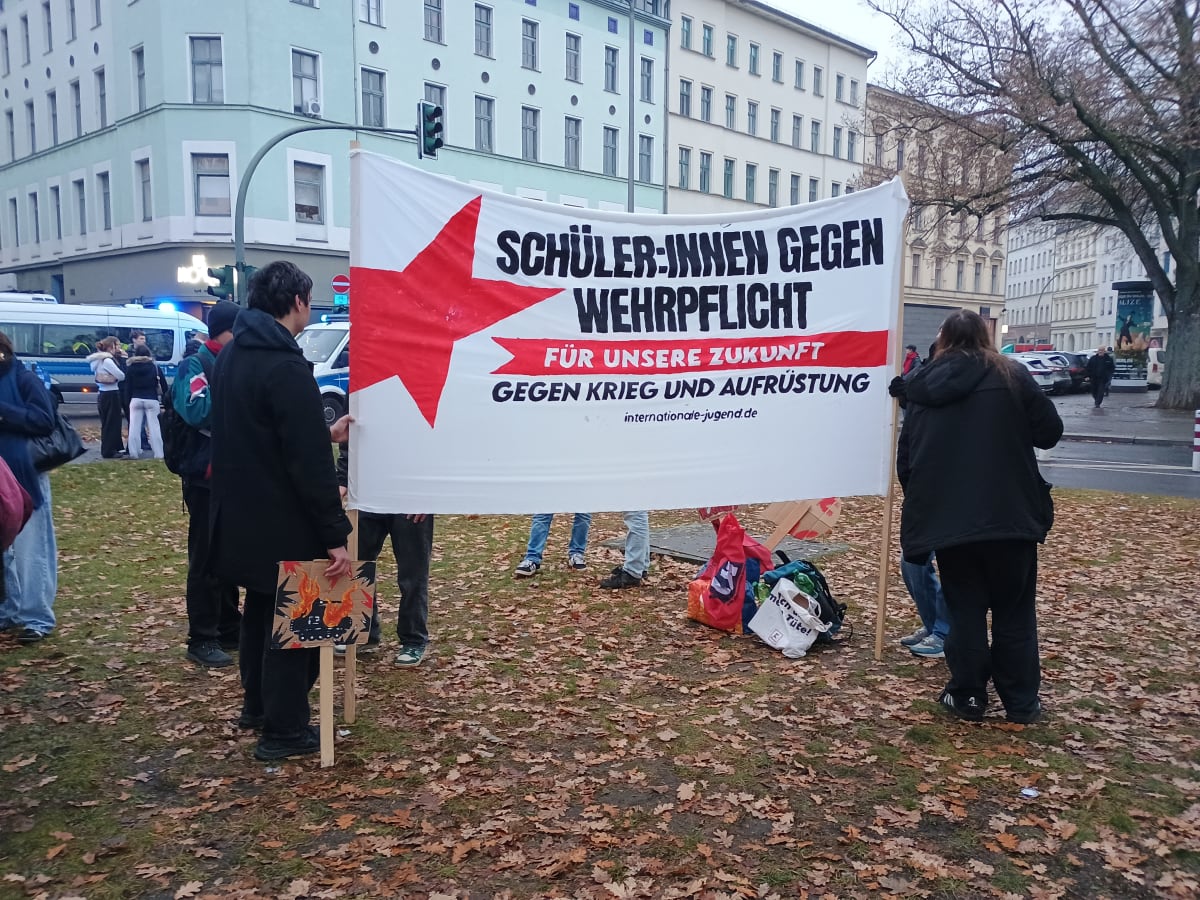
Key Takeaways
- German Gen Z is mobilising en masse over soaring living costs, unaffordable tuition and perceived job insecurity.
- Protests have erupted in more than 30 cities, with Frankfurt becoming the flashpoint after looting and violent clashes.
- Political parties and the coalition government are scrambling to propose emergency measures, but youth demand systemic change.
- The unrest signals a broader European generational shift that could reshape policy on housing, education and climate‑linked economics.
The Spark: Rising Living Costs and Tuition Woes
Germany has long been hailed as a beacon of affordable higher education and robust social welfare. Yet over the past two years, a confluence of factors has eroded that reputation for a generation that now sits on the brink of adulthood. Rental prices in major urban centres such as Berlin, Munich and Hamburg have surged by over 30 % since 2021, while the average monthly cost of living for a single student now exceeds €1,200. Simultaneously, the federal government’s decision to re‑introduce modest tuition fees for non‑EU students, coupled with a perceived neglect of vocational training funding, has ignited a sense of betrayal among young Germans.
A recent poll by Infratest dimap showed that 68 % of respondents aged 18‑25 consider the cost of living a “critical personal issue”, up from 45 % in 2020. The sentiment is amplified by a fragile job market: post‑pandemic recovery has been uneven, and many graduates face temporary contracts or under‑employment despite holding advanced degrees.
"We are the future, yet we are being priced out of the present," said Lena Müller, a 22‑year‑old sociology student from Berlin, speaking at a rally outside the Bundestag on 12 October.
Nationwide Protests: Cities, Slogans, and Demographics
The movement gained momentum on 8 October, when students from the University of Cologne organised a sit‑in at the university’s main hall, demanding a freeze on tuition hikes. Within 48 hours, similar actions were reported in Düsseldorf, Leipzig, Stuttgart, and Freiburg. Social media hashtags such as #GenZgegenKosten and #StudierenStattStürmen trended on Twitter and TikTok, amassing over 2 million views collectively.
The protests are notable for their diversity. While university students form the core, the crowds also include apprentices, low‑paid service workers, and even retirees concerned about inter‑generational equity. In Munich, a joint demonstration by students and gig‑economy workers highlighted the overlapping pressures of housing scarcity and precarious employment.
The slogans echo classic protest language but with a modern twist:
- "Kein Geld, kein Studium" (No money, no education)
- "Mieten steigen, Träume sterben" (Rents rise, dreams die)
- "Wir sind die Zukunft, nicht eure Last" (We are the future, not your burden)
These chants underscore a narrative that the existing social contract is failing to accommodate the aspirations of a digitally native, climate‑aware generation.
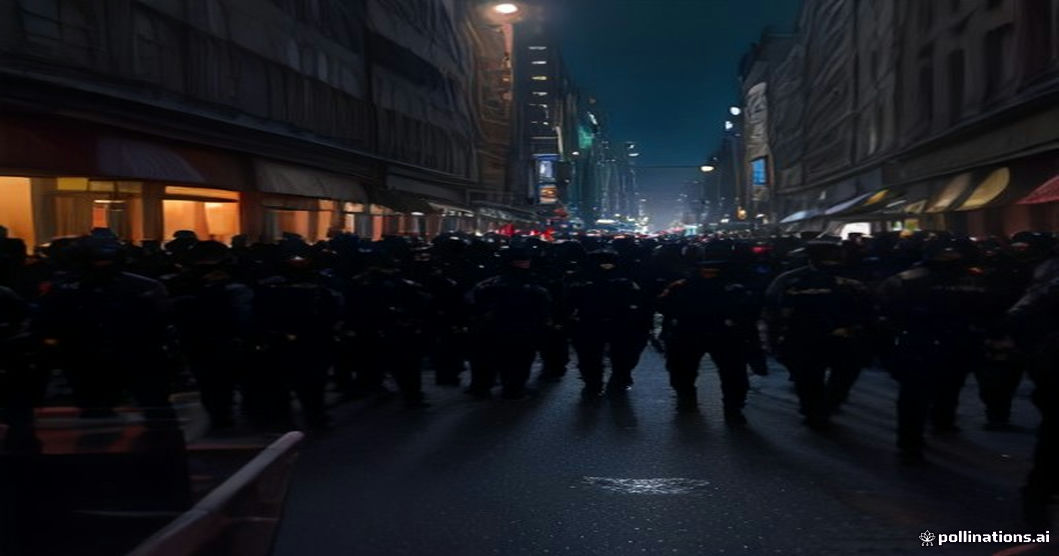 Frankfurt looting protest night
Frankfurt Flashpoint: Looting and Law Enforcement Response
On 15 October, the protest in Frankfurt escalated dramatically. What began as a peaceful march outside the European Central Bank (ECB) turned chaotic after a subset of demonstrators broke away towards the Zeil shopping district. Reports from Frankfurt Police indicated that over 200 individuals engaged in looting, vandalising storefronts, and setting fire to a small electronics kiosk.
Police deployed water cannons and mounted units, and the city declared a temporary curfew from 10 pm to 5 am. The incident sparked a fierce debate: some media outlets framed the looting as a symptom of economic desperation, while others condemned it as opportunistic criminality that threatens the legitimacy of the broader movement.
"Violence is never the answer, but we cannot ignore the desperation that drives it," remarked Mayor Peter Feldmann during a press conference, urging calm while pledging a review of the city’s housing policy.
The Frankfurt episode has become a rallying point for both sides of the debate. Protest organizers have distanced themselves from the looters, emphasizing that the core demands remain peaceful, whereas right‑wing parties have leveraged the incident to call for tougher law‑and‑order measures.
Political Reactions and Policy Proposals
The German coalition government, led by Chancellor Olaf Scholz, responded with a multi‑pronged package announced on 18 October:
- Housing Relief Act – a €5 billion fund to subsidise rent for students and low‑income renters in the 10 most expensive cities.
- Tuition Freeze – a temporary suspension of tuition increases for the next academic year, with a promise to review the funding model for universities.
- Youth Employment Initiative – incentives for companies to convert temporary contracts into permanent positions for workers under 30.
Opposition parties have criticised the measures as “too little, too late.” The Greens pushed for a more radical overhaul, including a rent‑control ceiling and a universal basic income pilot for students.
Historical Context: Youth Movements in Germany
Germany’s post‑war history is punctuated by youth‑driven uprisings: the 1968 student movement, the 1980s anti‑nuclear protests, and more recently the 2015 refugee solidarity marches. Each wave reflected a clash between a rapidly changing socio‑economic landscape and an established political order.
What sets the current Gen Z wave apart is its digital amplification. Live streams, viral TikTok clips, and coordinated hashtag campaigns have compressed the mobilisation timeline from weeks to days, forcing policymakers to react in near‑real time.
What This Means for Europe’s Future
The German protests are resonating beyond its borders. In Paris, French students have staged solidarity rallies, while in Vienna, Austrian youth groups are drafting a joint manifesto on affordable housing. Analysts at Bruegel warn that if Germany, Europe’s largest economy, fails to address these grievances, the “cost‑of‑living crisis” could spill over into broader electoral volatility across the EU.
Moreover, the unrest intersects with climate activism. Many demonstrators link housing scarcity to energy‑inefficient buildings and call for a green retrofit agenda that would create jobs while reducing carbon footprints.
Editorial Analysis & Future Outlook
The Gen Z protests in Germany represent more than a reaction to price tags; they are a symptom of a generational contract that is fraying. The convergence of housing unaffordability, educational debt, and precarious employment creates a perfect storm that fuels both peaceful dissent and, in isolated cases, violent outbursts.
In the short term, we can expect the coalition government to fine‑tune its relief measures, perhaps expanding rent subsidies and accelerating the tuition freeze. However, without structural reforms—such as a national housing strategy, expanded vocational pathways, and transparent funding for higher education—the protests are likely to persist, morphing into a recurring fixture of German political life.
Long‑term, the movement could catalyse a re‑definition of social welfare in Germany, aligning it with the expectations of a digitally connected, climate‑conscious generation. If policymakers seize the moment, Germany could emerge as a model for inclusive, sustainable growth that other European nations might emulate. Conversely, a heavy‑handed security‑first approach could alienate youth, driving them toward more radical platforms and reshaping the continent’s political landscape.
The unfolding narrative will be closely watched by investors, educators, and civic leaders alike. One thing is clear: the voice of Gen Z is no longer a background hum—it is a resonant chorus demanding a future that is both affordable and equitable.
Original Reporting & Source: India Today Top Stories

Discussion (0)
Sign in to join the discussion.
No comments yet. Be the first to start the conversation!