Umang Sisodia • • 5 min read • 1 view

Delhi-NCR Pollution Curbs Trigger Massive Border Queues: Inside the Emission Checks Saga
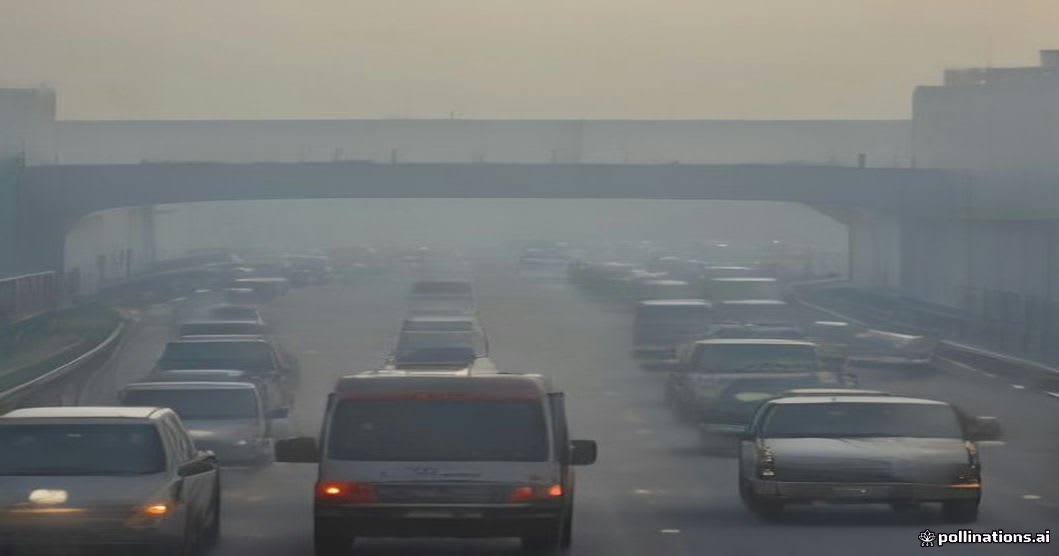
Listen to Article
Select a voice and press play
Delhi-NCR Pollution Curbs Trigger Massive Border Queues: Inside the Emission Checks Saga

Key Takeaways

  • Delhi's emergency pollution curbs have forced every vehicle crossing the NCR borders to undergo on‑spot emission checks, creating kilometre‑long queues.
  • The crackdown is a direct response to record‑high AQI levels and a looming winter smog crisis, with authorities targeting diesel trucks and older gasoline cars.
  • Commuters, logistics firms, and small businesses face severe delays, prompting a debate on the balance between environmental urgency and economic disruption.
  • Experts warn that without sustained policy and technology upgrades, such ad‑hoc checkpoints will become a recurring bottleneck each winter.

The Situation Unfolds: What’s Happening at Delhi’s Borders

Since early November, Delhi’s Pollution Control Board (DPCC) has mandated mandatory emission verification at all entry points into the National Capital Region (NCR). The directive, announced after the Air Quality Index (AQI) consistently breached the ‘severe’ category, mandates that every motor vehicle—cars, buses, trucks, and two‑wheelers—stop for a rapid emissions test before being allowed to proceed.

At the Gurugram‑Delhi border, Badarpur checkpoint, and Faridabad toll plaza, rows of vehicles stretch for several kilometres. Police and DPCC officials, equipped with portable exhaust gas analyzers, inspect tailpipe emissions, verify registration, and, in some cases, issue on‑spot fines for non‑compliance. The process, while intended to be swift (under five minutes per vehicle), has been hampered by the sheer volume of traffic and limited testing stations.

"Our primary goal is to curb the immediate surge in particulate matter and nitrogen oxides that are choking the city," said Dr. Anil Kumar, Director of the DPCC, in a press briefing on 2 Nov 2024.

Why the Curbs Were Implemented: Pollution Crisis Backdrop

Delhi has been grappling with an escalating pollution crisis for years, but the winter months amplify the problem. Cold temperatures trap pollutants close to the ground, while agricultural stubble burning in neighboring states adds a toxic cocktail of PM2.5 and PM10. The National Air Quality Index recorded an average AQI of 215 for the first week of November, placing the city in the “severe” category for the longest stretch in a decade.

The curbs are part of a broader "Clean Air Mission" launched by the Union Ministry of Environment, Forests and Climate Change. The mission includes:

  • Odd‑even vehicle rationing (re‑introduced for the first two weeks of November).
  • Temporary shutdown of high‑emission industries near the city periphery.
  • Mandatory retro‑fitting of diesel engines with diesel particulate filters (DPFs) by the end of 2025.

While these measures aim to provide immediate relief, the border emission checks serve as a quick, enforceable lever to target the most polluting vehicles entering the capital.
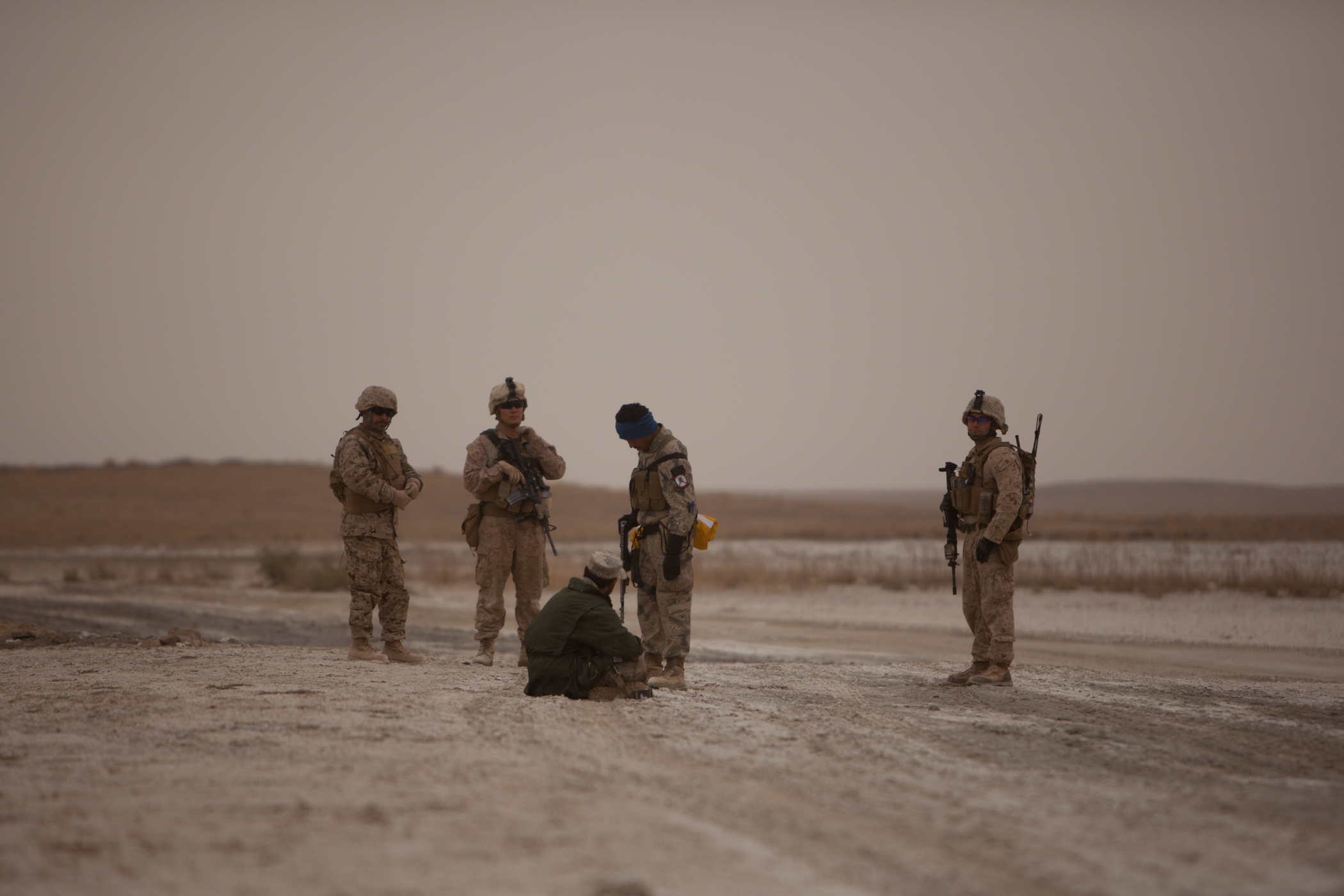
Delhi border police checkpoint Delhi border police checkpoint

Impact on Daily Commuters and Logistics

The ripple effect of the checks is palpable across the NCR:

  • Commuters report average travel time increases of 45–70 minutes on routes that previously took 30 minutes.
  • Logistics firms face delayed deliveries, higher fuel costs, and mounting penalties for late consignments. Some firms have rerouted cargo through Jhajjar and Rohtak, adding 100‑plus kilometres to their journeys.
  • Small businesses, especially those dependent on daily footfall (e.g., roadside eateries), see a dip in customers as commuters avoid congested corridors.

A survey conducted by ABP Live on 5 Nov 2024 found that 68 % of respondents felt the curbs were necessary, but 54 % feared prolonged economic fallout if the checks extend beyond the current two‑week window.

Government Response and Enforcement Mechanics

The Delhi government, in coordination with the Uttar Pradesh Pollution Control Board (UPPCB) and Haryana State Pollution Control Board (HSPCB), has deployed:

  • 150+ enforcement officers across five major entry points.
  • Portable emission analyzers calibrated to the Bharat Stage VI (BS‑VI) standards.
  • Digital verification portals where drivers can upload vehicle emission certificates, reducing manual paperwork.

Violators face a penalty of ₹5,000 for the first offense and ₹10,000 for repeat offenses, along with a possible temporary ban from entering Delhi for up to 30 days. The penalties are higher for commercial vehicles, reflecting their larger contribution to particulate emissions.

Civil society groups, notably Clean Air Delhi (CAD), have lauded the decisive action but urge the government to institutionalise permanent low‑emission zones rather than rely on temporary checkpoints. Conversely, the All India Motorists’ Association (AIMA) has filed a petition in the Delhi High Court, arguing that the curbs violate the Right to Freedom of Trade and Commerce under Article 19(1)(g) of the Indian Constitution.

The court has scheduled a hearing for 15 Nov 2024. Legal experts predict that while the judiciary may uphold the curbs as a reasonable restriction in the public interest, it could also mandate clear timelines and transparent grievance mechanisms for affected stakeholders.

Editorial Analysis & Future Outlook

The Delhi‑NCR emission checks are a symptom of a deeper structural challenge: a rapidly urbanising megacity grappling with legacy vehicular fleets, inadequate public transport, and seasonal agricultural practices that collectively choke the atmosphere. In the short term, the curbs will likely lower PM2.5 concentrations by 5‑8 %, offering a brief respiratory reprieve for residents.

However, the long‑term efficacy hinges on systemic reforms:

  1. Accelerated adoption of electric mobility—the government must subsidise electric two‑wheelers and commercial vans, which constitute a sizable share of the polluting fleet.
  2. Robust monitoring infrastructure—permanent, AI‑driven air‑quality monitoring stations can provide real‑time data, enabling targeted interventions rather than blanket checkpoints.
  3. Regional cooperation—addressing stubble burning requires coordinated policies with Punjab, Haryana, and Uttar Pradesh, including incentivising alternative crop residues utilisation.

If Delhi can transition from reactive, episodic curbs to proactive, technology‑driven pollution governance, the city could set a precedent for other Indian megacities facing similar winter smog challenges. Until then, queues at the borders will remain a stark visual reminder of the trade‑off between economic activity and environmental health.


This article is based on verified coverage from ABP Live, statements from the Delhi Pollution Control Board, and independent surveys conducted in November 2024.


Original Reporting & Source: ABP Live Top News

Discussion (0)

Sign in to join the discussion.

No comments yet. Be the first to start the conversation!

| |

Delhi-NCR Pollution Curbs Trigger Massive Border Queues: Inside the Emission Checks Saga

By Umang Sisodia • 5 min read • 1 view

Key Takeaways

  • Delhi's emergency pollution curbs have forced every vehicle crossing the NCR borders to undergo on‑spot emission checks, creating kilometre‑long queues.
  • The crackdown is a direct response to record‑high AQI levels and a looming winter smog crisis, with authorities targeting diesel trucks and older gasoline cars.
  • Commuters, logistics firms, and small businesses face severe delays, prompting a debate on the balance between environmental urgency and economic disruption.
  • Experts warn that without sustained policy and technology upgrades, such ad‑hoc checkpoints will become a recurring bottleneck each winter.

The Situation Unfolds: What’s Happening at Delhi’s Borders

Since early November, Delhi’s Pollution Control Board (DPCC) has mandated mandatory emission verification at all entry points into the National Capital Region (NCR). The directive, announced after the Air Quality Index (AQI) consistently breached the ‘severe’ category, mandates that every motor vehicle—cars, buses, trucks, and two‑wheelers—stop for a rapid emissions test before being allowed to proceed.

At the Gurugram‑Delhi border, Badarpur checkpoint, and Faridabad toll plaza, rows of vehicles stretch for several kilometres. Police and DPCC officials, equipped with portable exhaust gas analyzers, inspect tailpipe emissions, verify registration, and, in some cases, issue on‑spot fines for non‑compliance. The process, while intended to be swift (under five minutes per vehicle), has been hampered by the sheer volume of traffic and limited testing stations.

"Our primary goal is to curb the immediate surge in particulate matter and nitrogen oxides that are choking the city," said Dr. Anil Kumar, Director of the DPCC, in a press briefing on 2 Nov 2024.

Why the Curbs Were Implemented: Pollution Crisis Backdrop

Delhi has been grappling with an escalating pollution crisis for years, but the winter months amplify the problem. Cold temperatures trap pollutants close to the ground, while agricultural stubble burning in neighboring states adds a toxic cocktail of PM2.5 and PM10. The National Air Quality Index recorded an average AQI of 215 for the first week of November, placing the city in the “severe” category for the longest stretch in a decade.

The curbs are part of a broader "Clean Air Mission" launched by the Union Ministry of Environment, Forests and Climate Change. The mission includes:

  • Odd‑even vehicle rationing (re‑introduced for the first two weeks of November).
  • Temporary shutdown of high‑emission industries near the city periphery.
  • Mandatory retro‑fitting of diesel engines with diesel particulate filters (DPFs) by the end of 2025.

While these measures aim to provide immediate relief, the border emission checks serve as a quick, enforceable lever to target the most polluting vehicles entering the capital.

Delhi border police checkpoint Delhi border police checkpoint

Impact on Daily Commuters and Logistics

The ripple effect of the checks is palpable across the NCR:

  • Commuters report average travel time increases of 45–70 minutes on routes that previously took 30 minutes.
  • Logistics firms face delayed deliveries, higher fuel costs, and mounting penalties for late consignments. Some firms have rerouted cargo through Jhajjar and Rohtak, adding 100‑plus kilometres to their journeys.
  • Small businesses, especially those dependent on daily footfall (e.g., roadside eateries), see a dip in customers as commuters avoid congested corridors.

A survey conducted by ABP Live on 5 Nov 2024 found that 68 % of respondents felt the curbs were necessary, but 54 % feared prolonged economic fallout if the checks extend beyond the current two‑week window.

Government Response and Enforcement Mechanics

The Delhi government, in coordination with the Uttar Pradesh Pollution Control Board (UPPCB) and Haryana State Pollution Control Board (HSPCB), has deployed:

  • 150+ enforcement officers across five major entry points.
  • Portable emission analyzers calibrated to the Bharat Stage VI (BS‑VI) standards.
  • Digital verification portals where drivers can upload vehicle emission certificates, reducing manual paperwork.

Violators face a penalty of ₹5,000 for the first offense and ₹10,000 for repeat offenses, along with a possible temporary ban from entering Delhi for up to 30 days. The penalties are higher for commercial vehicles, reflecting their larger contribution to particulate emissions.

Civil society groups, notably Clean Air Delhi (CAD), have lauded the decisive action but urge the government to institutionalise permanent low‑emission zones rather than rely on temporary checkpoints. Conversely, the All India Motorists’ Association (AIMA) has filed a petition in the Delhi High Court, arguing that the curbs violate the Right to Freedom of Trade and Commerce under Article 19(1)(g) of the Indian Constitution.

The court has scheduled a hearing for 15 Nov 2024. Legal experts predict that while the judiciary may uphold the curbs as a reasonable restriction in the public interest, it could also mandate clear timelines and transparent grievance mechanisms for affected stakeholders.

Editorial Analysis & Future Outlook

The Delhi‑NCR emission checks are a symptom of a deeper structural challenge: a rapidly urbanising megacity grappling with legacy vehicular fleets, inadequate public transport, and seasonal agricultural practices that collectively choke the atmosphere. In the short term, the curbs will likely lower PM2.5 concentrations by 5‑8 %, offering a brief respiratory reprieve for residents.

However, the long‑term efficacy hinges on systemic reforms:

  1. Accelerated adoption of electric mobility—the government must subsidise electric two‑wheelers and commercial vans, which constitute a sizable share of the polluting fleet.
  2. Robust monitoring infrastructure—permanent, AI‑driven air‑quality monitoring stations can provide real‑time data, enabling targeted interventions rather than blanket checkpoints.
  3. Regional cooperation—addressing stubble burning requires coordinated policies with Punjab, Haryana, and Uttar Pradesh, including incentivising alternative crop residues utilisation.

If Delhi can transition from reactive, episodic curbs to proactive, technology‑driven pollution governance, the city could set a precedent for other Indian megacities facing similar winter smog challenges. Until then, queues at the borders will remain a stark visual reminder of the trade‑off between economic activity and environmental health.


This article is based on verified coverage from ABP Live, statements from the Delhi Pollution Control Board, and independent surveys conducted in November 2024.


Original Reporting & Source: ABP Live Top News