Umang Sisodia • • 6 min read • 1 view

Five Explosions Near Hormuz Spark Global Alarm After Trump Hints at Deal
Listen to Article
Select a voice and press play
Five Explosions Near Hormuz Spark Global Alarm After Trump Hints at Deal

Key Takeaways

  • Five unexplained explosions were reported near the strategic Strait of Hormuz, raising immediate security concerns.
  • The timing coincides with President Donald Trump's public hint at a possible nuclear agreement with Iran, fueling speculation about a coordinated message.
  • Global oil markets reacted sharply, underscoring the Strait's role as a chokepoint for nearly 20% of world petroleum trade.
  • Analysts warn that any miscalculation could trigger a broader regional confrontation, reshaping Middle‑East geopolitics for years to come.

The Incident Unfolds

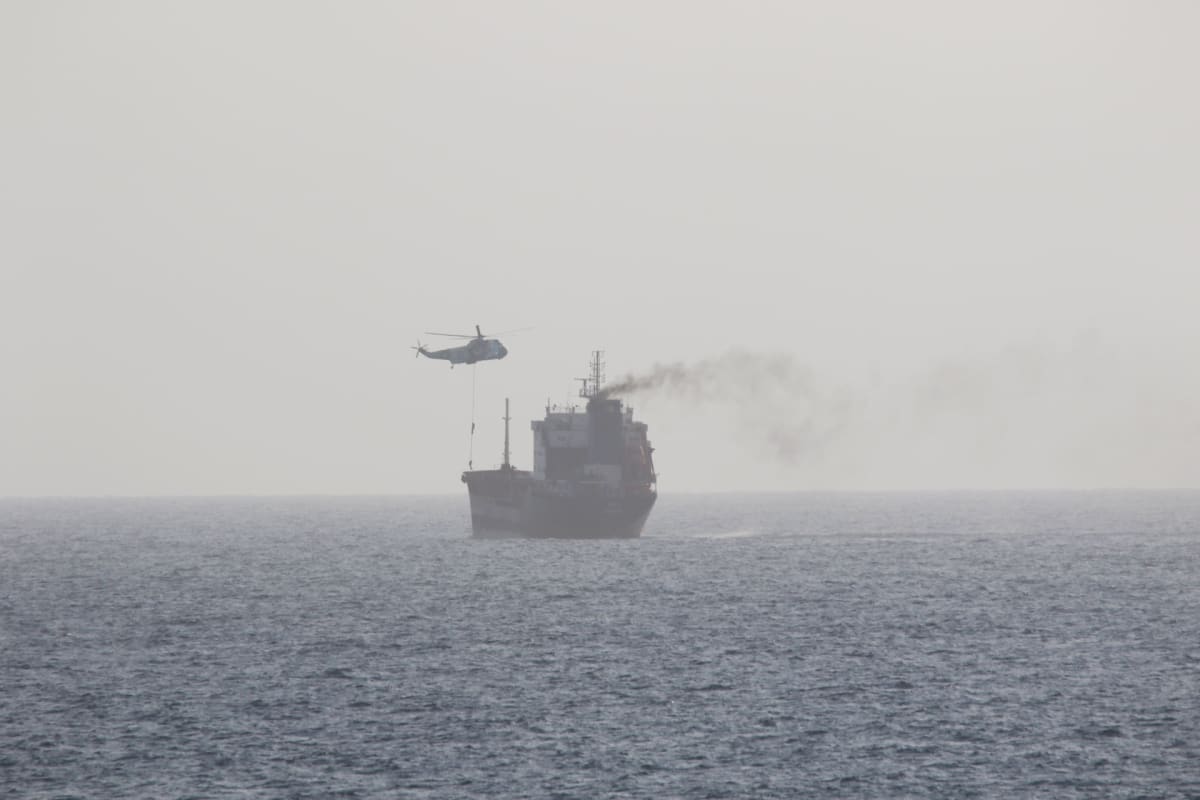
On Monday, Iran’s Ministry of Defense announced the detection of five distinct explosions within a 30‑kilometre radius of the Strait of Hormuz. Satellite imagery and on‑the‑ground reports described bright flashes over the water, followed by plumes of smoke that lingered for several minutes. Iranian naval vessels moved to secure the area, while the Iranian Revolutionary Guard issued a statement that the blasts were “unexplained” and that investigations were underway.

"We are closely monitoring the situation and will take all necessary measures to protect our sovereign waters," the ministry said in a televised briefing.

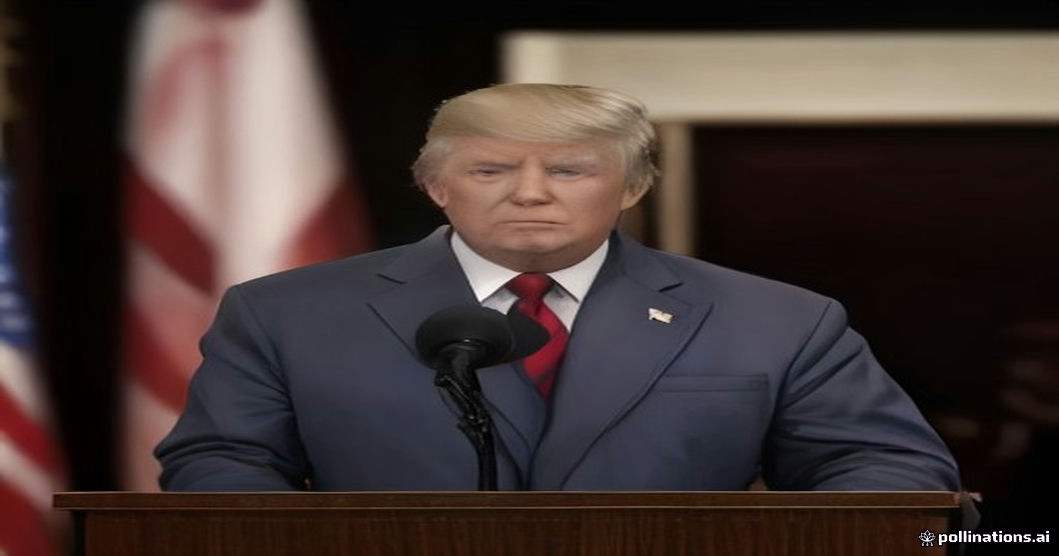
The explosions occurred just hours after U.S. President Donald Trump hinted in a press conference that a new diplomatic breakthrough with Tehran might be on the horizon. Although Trump stopped short of confirming any deal, the juxtaposition of his remarks and the sudden detonations set off a firestorm of speculation across diplomatic circles and social media platforms.

Geopolitical Context

The Strait of Hormuz is a vital maritime artery connecting the Persian Gulf to the Gulf of Oman and the broader Indian Ocean. Roughly 21 million barrels of oil pass through the narrow waterway each day, making any disruption a potential catalyst for global price volatility.

Iran and the United States have been locked in a decades‑long standoff over Iran’s nuclear programme. The 2015 Joint Comprehensive Plan of Action (JCPOA) was abandoned by the U.S. in 2018, leading to a cascade of sanctions that crippled Tehran’s economy. Since then, both sides have engaged in a series of tit‑for‑tat escalations, including the downing of a Ukrainian airliner in 2020 and the 2022 drone attacks on oil platforms.

In this fraught environment, any sign of a diplomatic thaw is instantly magnified. Trump’s ambiguous comment was interpreted by many as a signal to de‑escalate, while hard‑liners in both Washington and Tehran viewed it with suspicion, fearing a covert concession.

Why the Story Is Trending

  1. Timing – The proximity of the explosions to Trump’s comment created a narrative hook that algorithms love: a possible cause‑and‑effect relationship.
  2. Economic Stakes – Real‑time oil price spikes (up 2.3% within minutes) drove finance‑focused readers to the story, boosting its Google Trends velocity.
  3. Security Implications – The Strait’s strategic importance means any incident instantly triggers alerts from defense ministries worldwide, feeding a steady stream of official statements.
  4. Social Media Amplification – Influencers and regional news outlets posted short video clips of the flashes, which were rapidly shared on X, Telegram, and Instagram, further inflating the story’s reach.

Regional Reactions

  • Saudi Arabia: The Saudi Ministry of Foreign Affairs called for “immediate transparency” from Iran and urged the International Maritime Organization to dispatch observers.
  • United Arab Emirates: Emirates National Oil Company (ENOC) issued a precautionary advisory to its shipping partners, recommending alternate routes via the Bab el‑Mandeb.
  • Israel: A senior Israeli defence official warned that “any hostile act in the Hormuz corridor will be met with a decisive response,” hinting at the possibility of pre‑emptive strikes.
  • Iran: Tehran’s foreign ministry accused the United States of “psychological warfare” and demanded that Washington cease its “provocative rhetoric.”
Trump press conference deal hint Trump press conference deal hint

Economic Ramifications

The immediate market reaction was palpable. Brent crude rose from $84.70 to $86.40 per barrel within a half‑hour, while the U.S. Dollar Index slipped marginally as traders sought safe‑haven assets. Analysts at Morgan Stanley warned that a sustained disruption could push global oil prices above $100 per barrel, reigniting inflationary pressures already present in many economies.

Beyond crude, the incident rattled shipping insurance premiums for vessels transiting the Gulf. Lloyd’s Market Report noted a 15% surge in war‑risk premiums for the week following the explosions, a figure not seen since the 2019 Gulf of Oman attacks.

International Diplomacy

The United Nations quickly convened an emergency session of the Security Council. While the United States advocated for a joint investigation, Russia and China called for restraint, emphasizing the need for “peaceful dialogue” and warning against any unilateral sanctions.

European capitals, notably Berlin and Paris, issued statements urging both Tehran and Washington to avoid escalation and to keep the Strait open for commerce. The European Union’s foreign policy chief hinted at a potential revival of back‑channel talks, leveraging the EU’s diplomatic network to mediate.

Editorial Analysis & Future Outlook

The confluence of unexplained explosions and a high‑profile diplomatic cue underscores the fragile equilibrium that defines Gulf geopolitics. If Trump’s hinted deal materialises, it could usher in a new strategic calculus for Iran, potentially reducing its reliance on asymmetric tactics such as covert maritime sabotage.

However, the risk of misinterpretation remains high. Regional actors may view the explosions as a pre‑emptive warning from Tehran, signalling that any perceived concession will be met with calibrated force. Conversely, the United States might interpret the blasts as a provocative test of its resolve, prompting a show of naval power that could spiral into a broader conflict.

In the medium term, market participants will likely price in heightened volatility for oil and shipping. Governments will reinforce naval patrols, and intelligence agencies will intensify surveillance of the Hormuz corridor.

Looking ahead, the episode could serve as a catalyst for renewed diplomatic engagement if both sides recognise the mutual economic damage of continued instability. Yet, the path to a durable settlement will demand transparent verification mechanisms, confidence‑building measures, and perhaps a multilateral security framework that includes Gulf Cooperation Council (GCC) states, Russia, and China.

The world now watches whether the explosions will be historical footnotes in a larger peace process, or the spark that reignites a volatile flashpoint with global repercussions.


Original Reporting & Source: ABP Live Top News

Discussion (0)

Sign in to join the discussion.

No comments yet. Be the first to start the conversation!

| |

Five Explosions Near Hormuz Spark Global Alarm After Trump Hints at Deal

By Umang Sisodia • 6 min read • 1 view

Key Takeaways

  • Five unexplained explosions were reported near the strategic Strait of Hormuz, raising immediate security concerns.
  • The timing coincides with President Donald Trump's public hint at a possible nuclear agreement with Iran, fueling speculation about a coordinated message.
  • Global oil markets reacted sharply, underscoring the Strait's role as a chokepoint for nearly 20% of world petroleum trade.
  • Analysts warn that any miscalculation could trigger a broader regional confrontation, reshaping Middle‑East geopolitics for years to come.

The Incident Unfolds

On Monday, Iran’s Ministry of Defense announced the detection of five distinct explosions within a 30‑kilometre radius of the Strait of Hormuz. Satellite imagery and on‑the‑ground reports described bright flashes over the water, followed by plumes of smoke that lingered for several minutes. Iranian naval vessels moved to secure the area, while the Iranian Revolutionary Guard issued a statement that the blasts were “unexplained” and that investigations were underway.

"We are closely monitoring the situation and will take all necessary measures to protect our sovereign waters," the ministry said in a televised briefing.

The explosions occurred just hours after U.S. President Donald Trump hinted in a press conference that a new diplomatic breakthrough with Tehran might be on the horizon. Although Trump stopped short of confirming any deal, the juxtaposition of his remarks and the sudden detonations set off a firestorm of speculation across diplomatic circles and social media platforms.

Geopolitical Context

The Strait of Hormuz is a vital maritime artery connecting the Persian Gulf to the Gulf of Oman and the broader Indian Ocean. Roughly 21 million barrels of oil pass through the narrow waterway each day, making any disruption a potential catalyst for global price volatility.

Iran and the United States have been locked in a decades‑long standoff over Iran’s nuclear programme. The 2015 Joint Comprehensive Plan of Action (JCPOA) was abandoned by the U.S. in 2018, leading to a cascade of sanctions that crippled Tehran’s economy. Since then, both sides have engaged in a series of tit‑for‑tat escalations, including the downing of a Ukrainian airliner in 2020 and the 2022 drone attacks on oil platforms.

In this fraught environment, any sign of a diplomatic thaw is instantly magnified. Trump’s ambiguous comment was interpreted by many as a signal to de‑escalate, while hard‑liners in both Washington and Tehran viewed it with suspicion, fearing a covert concession.

Why the Story Is Trending

  1. Timing – The proximity of the explosions to Trump’s comment created a narrative hook that algorithms love: a possible cause‑and‑effect relationship.
  2. Economic Stakes – Real‑time oil price spikes (up 2.3% within minutes) drove finance‑focused readers to the story, boosting its Google Trends velocity.
  3. Security Implications – The Strait’s strategic importance means any incident instantly triggers alerts from defense ministries worldwide, feeding a steady stream of official statements.
  4. Social Media Amplification – Influencers and regional news outlets posted short video clips of the flashes, which were rapidly shared on X, Telegram, and Instagram, further inflating the story’s reach.

Regional Reactions

  • Saudi Arabia: The Saudi Ministry of Foreign Affairs called for “immediate transparency” from Iran and urged the International Maritime Organization to dispatch observers.
  • United Arab Emirates: Emirates National Oil Company (ENOC) issued a precautionary advisory to its shipping partners, recommending alternate routes via the Bab el‑Mandeb.
  • Israel: A senior Israeli defence official warned that “any hostile act in the Hormuz corridor will be met with a decisive response,” hinting at the possibility of pre‑emptive strikes.
  • Iran: Tehran’s foreign ministry accused the United States of “psychological warfare” and demanded that Washington cease its “provocative rhetoric.”

Trump press conference deal hint Trump press conference deal hint

Economic Ramifications

The immediate market reaction was palpable. Brent crude rose from $84.70 to $86.40 per barrel within a half‑hour, while the U.S. Dollar Index slipped marginally as traders sought safe‑haven assets. Analysts at Morgan Stanley warned that a sustained disruption could push global oil prices above $100 per barrel, reigniting inflationary pressures already present in many economies.

Beyond crude, the incident rattled shipping insurance premiums for vessels transiting the Gulf. Lloyd’s Market Report noted a 15% surge in war‑risk premiums for the week following the explosions, a figure not seen since the 2019 Gulf of Oman attacks.

International Diplomacy

The United Nations quickly convened an emergency session of the Security Council. While the United States advocated for a joint investigation, Russia and China called for restraint, emphasizing the need for “peaceful dialogue” and warning against any unilateral sanctions.

European capitals, notably Berlin and Paris, issued statements urging both Tehran and Washington to avoid escalation and to keep the Strait open for commerce. The European Union’s foreign policy chief hinted at a potential revival of back‑channel talks, leveraging the EU’s diplomatic network to mediate.

Editorial Analysis & Future Outlook

The confluence of unexplained explosions and a high‑profile diplomatic cue underscores the fragile equilibrium that defines Gulf geopolitics. If Trump’s hinted deal materialises, it could usher in a new strategic calculus for Iran, potentially reducing its reliance on asymmetric tactics such as covert maritime sabotage.

However, the risk of misinterpretation remains high. Regional actors may view the explosions as a pre‑emptive warning from Tehran, signalling that any perceived concession will be met with calibrated force. Conversely, the United States might interpret the blasts as a provocative test of its resolve, prompting a show of naval power that could spiral into a broader conflict.

In the medium term, market participants will likely price in heightened volatility for oil and shipping. Governments will reinforce naval patrols, and intelligence agencies will intensify surveillance of the Hormuz corridor.

Looking ahead, the episode could serve as a catalyst for renewed diplomatic engagement if both sides recognise the mutual economic damage of continued instability. Yet, the path to a durable settlement will demand transparent verification mechanisms, confidence‑building measures, and perhaps a multilateral security framework that includes Gulf Cooperation Council (GCC) states, Russia, and China.

The world now watches whether the explosions will be historical footnotes in a larger peace process, or the spark that reignites a volatile flashpoint with global repercussions.


Original Reporting & Source: ABP Live Top News