Umang Sisodia • • 5 min read • 2 views
Paraguay’s Ousted President Peña Ordered Detained Over Collapsed Lender Scandal
Key Takeaways
- Former President Santiago Peña faces a court‑ordered detention after a massive lender collapse triggers a political crisis.
- The failed lender, Banco América Paraguay, left thousands of depositors in limbo and exposed deep regulatory gaps.
- Opposition parties, civil society, and international observers are demanding swift legal action and financial reforms.
- The episode could reshape Paraguay’s democratic institutions and its standing with foreign investors.
The Arrest Order: What Happened?
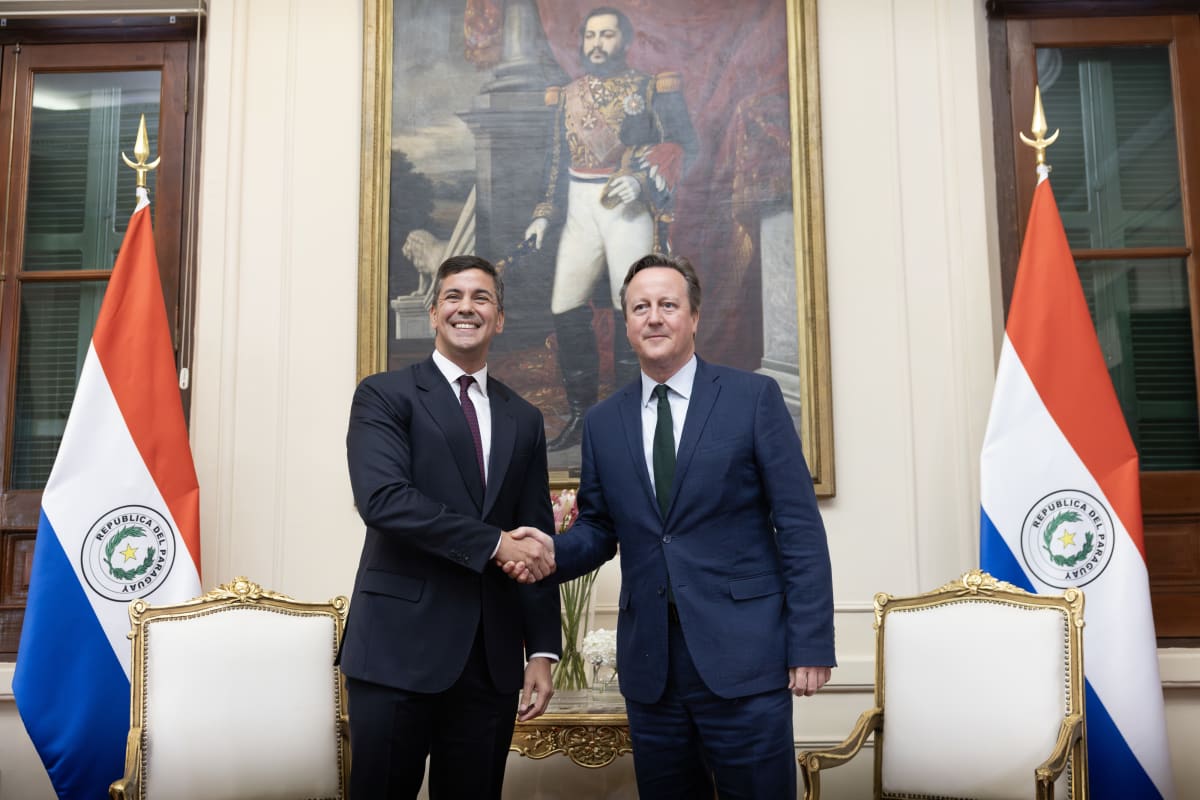
In early November 2024, Paraguay’s Supreme Court issued an order to detain former President Santiago Peña on charges of “financial mismanagement, abuse of office, and illicit enrichment.” The order stems from a comprehensive investigation into the sudden collapse of Banco América Paraguay, a regional lender that folded under a mountain of non‑performing loans worth over $1.2 billion.
“The evidence points to a coordinated effort to channel public funds into private hands, compromising the very foundations of our financial system,” — Judge María López, presiding over the high‑profile case.
Peña, who served from 2023 to 2024 before being ousted in a vote of no confidence, denied any wrongdoing, claiming the charges are politically motivated. Nonetheless, the court’s decision marks the first time a former Paraguayan head of state has been formally ordered detained for a financial scandal.
The Collapsed Lender: A Financial Shockwave
Banco América Paraguay was once considered a pillar of the country’s banking sector, with a network of 45 branches and a reputation for serving small‑business owners in the interior provinces. In June 2024, the bank announced a 30% drop in its capital adequacy ratio, prompting the Central Bank of Paraguay to place it under special supervision.
Investigators uncovered a web of dubious loans granted to companies linked to Peña’s inner circle, many of which were never repaid. The fallout left over 200,000 depositors scrambling to retrieve their savings, while the government scrambled to guarantee a $500 million bailout to prevent a systemic crisis.
Political Turmoil in Paraguay
Peña’s detention order has ignited a fierce political battle. The ruling Colorado Party, which had supported Peña’s agenda, has called for a “fair trial” and warned against a “political witch‑hunt.” Meanwhile, opposition leader Efraín Cabrera of the PLRA (Authentic Radical Liberal Party) has organized mass rallies demanding Peña’s immediate arrest and a complete overhaul of the nation’s banking oversight mechanisms.
The Parliament is now debating emergency legislation that would tighten banking regulations, increase transparency in public‑private partnerships, and establish an independent financial watchdog. Critics argue that these measures, while necessary, may be too little, too late to restore confidence.
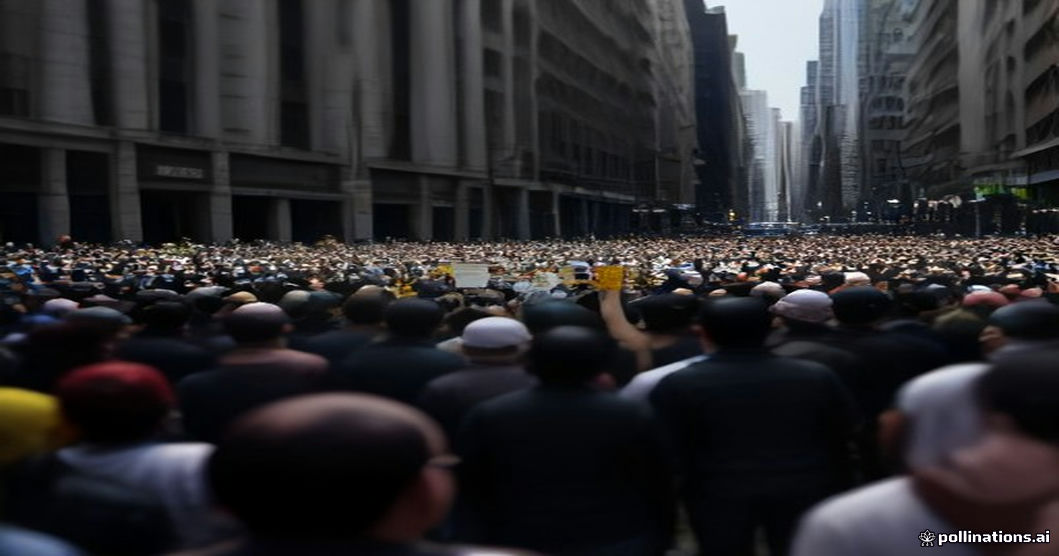 Asunción financial district bank collapse
Legal Implications and International Reactions
The case has attracted the attention of several international bodies. The International Monetary Fund (IMF), which has a $400 million loan program with Paraguay, issued a statement urging “prompt, transparent, and accountable legal proceedings.” The World Bank warned that prolonged uncertainty could jeopardize upcoming infrastructure projects funded by multilateral institutions.
Legal experts note that Peña could face up to 15 years in prison if convicted on all counts. They also point out that Paraguay’s constitution allows for the “preventive detention” of former high‑ranking officials when there is a risk of evidence tampering or flight.
Public Sentiment and Protests
Streets in Asunción have become a canvas of dissent. Thousands of citizens gathered outside the Supreme Court on November 12, waving placards that read “Justice for Depositors” and “No More Corruption.” Social media hashtags such as #PeñaDetenido and #BankFailParaguay have trended on Twitter and TikTok, amplifying the call for accountability.
Economists warn that the public’s loss of trust could lead to capital flight, a slowdown in credit growth, and a devaluation of the Paraguayan guaraní. Small business owners, who relied heavily on Banco América’s credit lines, are now seeking alternative financing, often at higher interest rates.
Editorial Analysis & Future Outlook
The detention of a former president over a banking collapse is a watershed moment for Paraguay’s democratic maturity. It underscores the urgent need for institutional reforms that can insulate the financial sector from political interference. If the judiciary can conduct a transparent trial, it may restore some confidence among investors and the broader public.
However, the path forward is fraught with challenges. Political polarization could stall the passage of critical reforms, while lingering economic pain may fuel populist narratives. The government must balance swift punitive action against corruption with structural safeguards that prevent future collapses.
In the long term, Paraguay’s ability to rebuild its banking system, reassure international partners, and reconcile a divided electorate will determine whether this crisis becomes a catalyst for positive change or a lingering scar on its democratic record.
This article is based on verified reports from India Today Top Stories, statements from Paraguayan judicial officials, and analyses from regional financial experts.
Original Reporting & Source: India Today Top Stories

Discussion (0)
Sign in to join the discussion.
No comments yet. Be the first to start the conversation!