Umang Sisodia • • 5 min read • 1 view

Heavy Rains Flood 70,000 Gaza Tents: Humanitarian Crisis Deepens for Displaced Palestinians
Listen to Article
Select a voice and press play
Heavy Rains Flood 70,000 Gaza Tents: Humanitarian Crisis Deepens for Displaced Palestinians

Key Takeaways

  • Over 70,000 tents across Gaza have been inundated by unprecedented rain, leaving thousands of displaced families without shelter.
  • The flooding compounds an already fragile humanitarian situation, straining UNRWA, NGOs, and local authorities.
  • Climate‑linked extreme weather is emerging as a new front in the Gaza conflict, demanding urgent adaptation and long‑term planning.
  • International aid pledges are rising, but logistical bottlenecks and security restrictions threaten timely relief.

The Unfolding Crisis

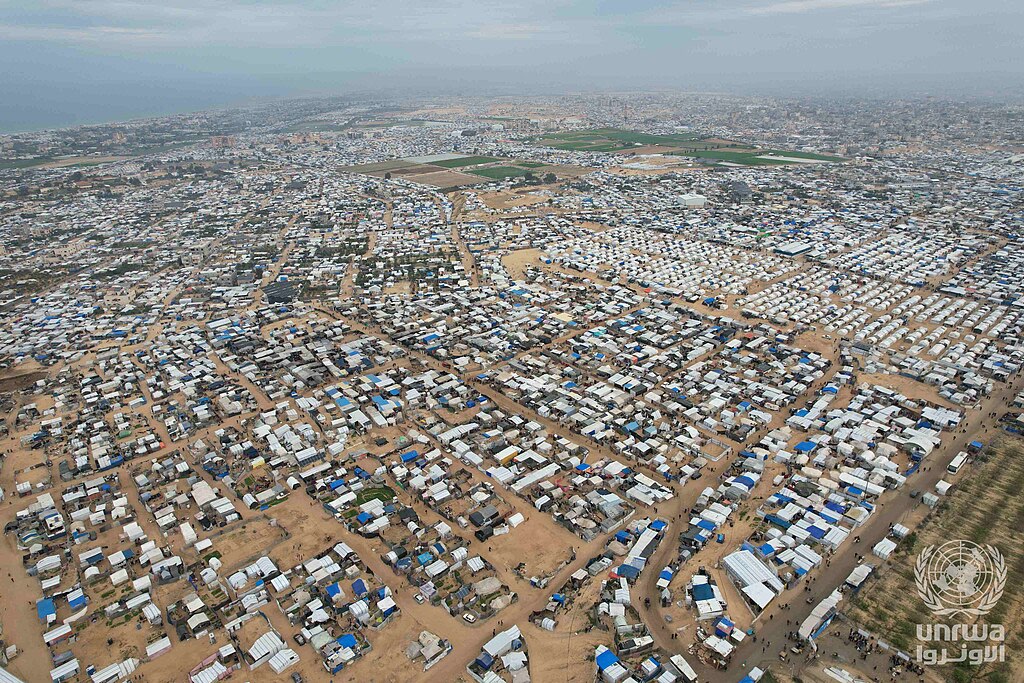
Gaza’s humanitarian landscape has been reshaped repeatedly over the past year, first by the devastation of armed conflict and then by a growing wave of displacement. According to the United Nations Relief and Works Agency (UNRWA), approximately 70,000 tents—housing an estimated 300,000 people—were set up across the Strip after the latest round of hostilities. In the past week, heavy rains that broke regional records have turned these temporary shelters into waterlogged traps, flooding corridors, flattening floors, and destroying essential supplies.

Weather Patterns and Flooding

Meteorological data from the Palestinian Meteorological Service shows that the Gaza Strip received over 150 mm of rain in a 48‑hour window—double the monthly average for this period. The combination of poor drainage, damaged infrastructure, and the low‑lying topography of the coastal enclave turned the rain into a disaster. Satellite imagery captured on 6 November shows vast swaths of the UNRWA tented camps submerged under murky water, with only the highest peaks of the canvas visible.

"The scale of the flooding is unprecedented in recent memory. Families are forced to wade through knee‑deep water just to reach their sleeping areas," – UNRWA spokesperson, Ahmed Al‑Mansour.

Impact on Displaced Populations

The immediate human toll is stark:

  • Health Risks: Stagnant water is a breeding ground for water‑borne diseases such as cholera and dysentery. Clinics operating out of makeshift tents are already reporting a surge in gastrointestinal complaints.
  • Loss of Belongings: Personal items—clothing, medication, documents—have been swept away, leaving families even more vulnerable.
  • Psychological Strain: For many, the tents represented a fragile sense of security after losing homes. Their sudden inundation reignites trauma, especially among children who have already endured months of conflict.
  • Education Disruption: Temporary learning spaces, often set up within the same tent clusters, are now unusable, jeopardizing the education of over 50,000 school‑age children.

The humanitarian cost extends beyond immediate suffering; prolonged exposure to damp conditions can trigger respiratory illnesses, compounding the already high rates of asthma and chronic lung disease in Gaza.

Humanitarian Response

Immediate Relief Efforts

Aid agencies have mobilised rapid‑response teams to distribute dry blankets, plastic sheeting, and portable pumps. The International Committee of the Red Cross (ICRC) has deployed water‑pumping units to drain the most affected zones, while UNICEF is delivering emergency hygiene kits to curb disease spread.

Local NGOs, despite operating under severe movement restrictions, are coordinating community‑based clean‑up crews. Volunteers are manually clearing debris and reinforcing tent structures with sandbags—a labor‑intensive task that underscores the resilience of the displaced community.

Challenges for Aid Agencies

  • Access Restrictions: Israeli‑controlled border crossings limit the flow of essential relief supplies, causing delays.
  • Infrastructure Damage: Roads leading to the camps are riddled with potholes and debris, hindering the transport of heavy equipment.
  • Funding Gaps: While the European Union announced a €50 million emergency fund, many NGOs report shortfalls that jeopardise longer‑term recovery.

The convergence of climate shock and conflict‑induced fragility forces humanitarian actors to rethink traditional response models. There is a growing call for pre‑positioned emergency shelters that can better withstand flooding, as well as for investment in drainage systems within the densely populated coastal strip.

International Reactions

The flooding has drawn swift statements from the United Nations, the United States, and the European Union, urging unhindered humanitarian access and accelerated aid delivery. In a joint press briefing, the UN Secretary‑General highlighted the “triple threat” of conflict, displacement, and climate‑induced disasters facing Gaza.

Regional actors, including Egypt and Qatar, have pledged additional financial assistance earmarked for water‑sanitation projects. Meanwhile, climate‑rights groups are leveraging the crisis to press for greater climate adaptation funding for Gaza, arguing that the Strip’s exposure to extreme weather is a direct consequence of broader geopolitical neglect.

Editorial Analysis & Future Outlook

The recent floods are a wake‑up call for policymakers and humanitarian planners alike. Gaza’s chronic vulnerability—stemming from decades of blockade, infrastructural decay, and population density—means that any extreme weather event will have outsized humanitarian repercussions.

Long‑Term Implications

  1. Climate‑Resilient Infrastructure: The need for robust drainage networks, flood‑resistant shelter designs, and green infrastructure (e.g., permeable surfaces, rain gardens) is now undeniable. International donors must prioritize funding for such projects, not merely for temporary relief.
  2. Integrated Disaster Management: Gaza requires a holistic emergency management framework that coordinates military, civil, and humanitarian actors. Early warning systems, community training, and stockpiling of flood‑ready supplies could mitigate future shocks.
  3. Policy Shifts: The intersection of human rights, humanitarian law, and climate justice will shape diplomatic discourse. Persistent access restrictions exacerbate the impact of natural disasters, potentially inviting renewed scrutiny from international legal bodies.
  4. Narrative Change: Media coverage of the floods is expanding the narrative beyond conflict‑driven suffering to include environmental vulnerability, which may galvanize broader global solidarity and attract new donors focused on climate adaptation.

In sum, the heavy rains that flooded 70,000 tents are not an isolated incident but a symptom of a systemic crisis where conflict, displacement, and climate change converge. The world’s response—both immediate and strategic—will determine whether Gaza can transition from a cycle of emergency response to a pathway of sustainable resilience.


For continuous updates on the Gaza humanitarian situation, subscribe to our newsletter and follow our live coverage.


Original Reporting & Source: ABP Live Top News

Discussion (0)

Sign in to join the discussion.

No comments yet. Be the first to start the conversation!

| |

Heavy Rains Flood 70,000 Gaza Tents: Humanitarian Crisis Deepens for Displaced Palestinians

By Umang Sisodia • 5 min read • 1 view

Key Takeaways

  • Over 70,000 tents across Gaza have been inundated by unprecedented rain, leaving thousands of displaced families without shelter.
  • The flooding compounds an already fragile humanitarian situation, straining UNRWA, NGOs, and local authorities.
  • Climate‑linked extreme weather is emerging as a new front in the Gaza conflict, demanding urgent adaptation and long‑term planning.
  • International aid pledges are rising, but logistical bottlenecks and security restrictions threaten timely relief.

The Unfolding Crisis

Gaza’s humanitarian landscape has been reshaped repeatedly over the past year, first by the devastation of armed conflict and then by a growing wave of displacement. According to the United Nations Relief and Works Agency (UNRWA), approximately 70,000 tents—housing an estimated 300,000 people—were set up across the Strip after the latest round of hostilities. In the past week, heavy rains that broke regional records have turned these temporary shelters into waterlogged traps, flooding corridors, flattening floors, and destroying essential supplies.

Weather Patterns and Flooding

Meteorological data from the Palestinian Meteorological Service shows that the Gaza Strip received over 150 mm of rain in a 48‑hour window—double the monthly average for this period. The combination of poor drainage, damaged infrastructure, and the low‑lying topography of the coastal enclave turned the rain into a disaster. Satellite imagery captured on 6 November shows vast swaths of the UNRWA tented camps submerged under murky water, with only the highest peaks of the canvas visible.

"The scale of the flooding is unprecedented in recent memory. Families are forced to wade through knee‑deep water just to reach their sleeping areas," – UNRWA spokesperson, Ahmed Al‑Mansour.

Impact on Displaced Populations

The immediate human toll is stark:

  • Health Risks: Stagnant water is a breeding ground for water‑borne diseases such as cholera and dysentery. Clinics operating out of makeshift tents are already reporting a surge in gastrointestinal complaints.
  • Loss of Belongings: Personal items—clothing, medication, documents—have been swept away, leaving families even more vulnerable.
  • Psychological Strain: For many, the tents represented a fragile sense of security after losing homes. Their sudden inundation reignites trauma, especially among children who have already endured months of conflict.
  • Education Disruption: Temporary learning spaces, often set up within the same tent clusters, are now unusable, jeopardizing the education of over 50,000 school‑age children.

The humanitarian cost extends beyond immediate suffering; prolonged exposure to damp conditions can trigger respiratory illnesses, compounding the already high rates of asthma and chronic lung disease in Gaza.

Humanitarian Response

Immediate Relief Efforts

Aid agencies have mobilised rapid‑response teams to distribute dry blankets, plastic sheeting, and portable pumps. The International Committee of the Red Cross (ICRC) has deployed water‑pumping units to drain the most affected zones, while UNICEF is delivering emergency hygiene kits to curb disease spread.

Local NGOs, despite operating under severe movement restrictions, are coordinating community‑based clean‑up crews. Volunteers are manually clearing debris and reinforcing tent structures with sandbags—a labor‑intensive task that underscores the resilience of the displaced community.

Challenges for Aid Agencies

  • Access Restrictions: Israeli‑controlled border crossings limit the flow of essential relief supplies, causing delays.
  • Infrastructure Damage: Roads leading to the camps are riddled with potholes and debris, hindering the transport of heavy equipment.
  • Funding Gaps: While the European Union announced a €50 million emergency fund, many NGOs report shortfalls that jeopardise longer‑term recovery.

The convergence of climate shock and conflict‑induced fragility forces humanitarian actors to rethink traditional response models. There is a growing call for pre‑positioned emergency shelters that can better withstand flooding, as well as for investment in drainage systems within the densely populated coastal strip.

International Reactions

The flooding has drawn swift statements from the United Nations, the United States, and the European Union, urging unhindered humanitarian access and accelerated aid delivery. In a joint press briefing, the UN Secretary‑General highlighted the “triple threat” of conflict, displacement, and climate‑induced disasters facing Gaza.

Regional actors, including Egypt and Qatar, have pledged additional financial assistance earmarked for water‑sanitation projects. Meanwhile, climate‑rights groups are leveraging the crisis to press for greater climate adaptation funding for Gaza, arguing that the Strip’s exposure to extreme weather is a direct consequence of broader geopolitical neglect.

Editorial Analysis & Future Outlook

The recent floods are a wake‑up call for policymakers and humanitarian planners alike. Gaza’s chronic vulnerability—stemming from decades of blockade, infrastructural decay, and population density—means that any extreme weather event will have outsized humanitarian repercussions.

Long‑Term Implications

  1. Climate‑Resilient Infrastructure: The need for robust drainage networks, flood‑resistant shelter designs, and green infrastructure (e.g., permeable surfaces, rain gardens) is now undeniable. International donors must prioritize funding for such projects, not merely for temporary relief.
  2. Integrated Disaster Management: Gaza requires a holistic emergency management framework that coordinates military, civil, and humanitarian actors. Early warning systems, community training, and stockpiling of flood‑ready supplies could mitigate future shocks.
  3. Policy Shifts: The intersection of human rights, humanitarian law, and climate justice will shape diplomatic discourse. Persistent access restrictions exacerbate the impact of natural disasters, potentially inviting renewed scrutiny from international legal bodies.
  4. Narrative Change: Media coverage of the floods is expanding the narrative beyond conflict‑driven suffering to include environmental vulnerability, which may galvanize broader global solidarity and attract new donors focused on climate adaptation.

In sum, the heavy rains that flooded 70,000 tents are not an isolated incident but a symptom of a systemic crisis where conflict, displacement, and climate change converge. The world’s response—both immediate and strategic—will determine whether Gaza can transition from a cycle of emergency response to a pathway of sustainable resilience.


For continuous updates on the Gaza humanitarian situation, subscribe to our newsletter and follow our live coverage.


Original Reporting & Source: ABP Live Top News