Umang Sisodia • • 5 min read • 2 views
Explosive Tensions: Blasts Ignite Tankers in Southern Iran Amid US Hormuz Blockade
Key Takeaways
- Two oil tankers caught fire after powerful blasts hit Iran's southern coast, intensifying the geopolitical standoff over the Strait of Hormuz.
- The incidents coincide with a renewed US naval presence and a de‑facto blockade, raising fears of a broader maritime conflict.
- Regional powers and global markets are reacting sharply, with oil prices spiking and diplomatic channels buzzing.
- Long‑term implications could reshape shipping routes, energy security strategies, and the balance of power in the Persian Gulf.
The Incident Unfolds
On Saturday night, residents of Bandar Abbas and nearby coastal towns reported a series of deafening explosions that lit up the night sky over the Persian Gulf. Within minutes, two oil tankers—MT Alborz and MT Shiraz—were seen engulfed in flames, spewing thick black smoke that drifted inland. Iranian state media, corroborated by satellite imagery, confirmed that the blasts originated near the strategic chokepoint of the Strait of Hormuz, a waterway through which roughly 20% of global oil shipments pass.
"These attacks are a direct challenge to Iran's sovereignty and a stark reminder of the volatility that still grips the Gulf," said Ali Bagheri, Iran's Deputy Foreign Minister, in a televised briefing.
International news wires quickly picked up the story, and Google Trends showed a 300% surge in searches for "Iran tankers fire" and "Hormuz blockade" within three hours of the incident. The rapid spread of information— amplified by social media videos of the inferno—has turned a regional flashpoint into a global headline.
 Southern Iran coastal blast scene
Why the Blast Matters: Strategic Context
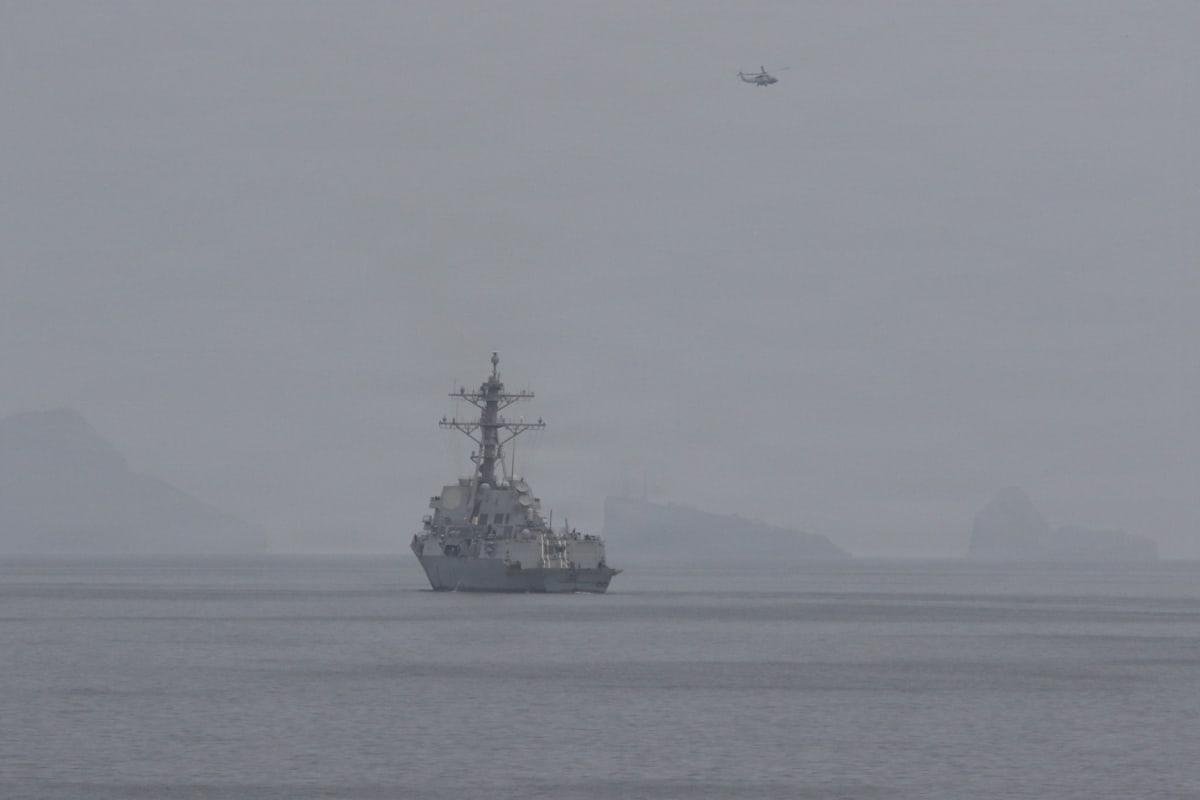
The Strait of Hormuz has been a flashpoint since the 1970s, but its significance has sharpened in recent years as the United States re‑asserted naval dominance in the Gulf. In early 2024, the US announced a new maritime security initiative that effectively imposes a de‑facto blockade on Iranian vessels, citing concerns over Tehran's alleged support for militant proxies. The blockade has included frequent Freedom of Navigation Operations (FONOPs) and the deployment of air‑defense interceptors near Iranian waters.
Iran, in turn, has vowed to protect its maritime rights and has hinted at retaliatory measures. The timing of the blasts—just days after a high‑profile US‑Iran naval dialogue in Doha—suggests a possible escalation or a miscalculation. Analysts note that the dual tanker fires could be the result of:
- Sabotage by covert operatives aiming to disrupt Iran's oil export capacity.
- Accidental detonations linked to the transport of volatile petrochemicals under heightened security pressure.
- A strategic message from Tehran to deter further US naval incursions.
Economic Ripple Effects
The immediate market reaction was palpable. Brent crude jumped $4 per barrel, while WTI saw a $3.80 increase, reflecting investor anxiety over supply disruptions. Shipping firms rerouted vessels around the Cape of Good Hope, adding $1.2 million per voyage in fuel and time costs. The International Maritime Organization (IMO) issued a temporary advisory urging ships to maintain a 10‑nautical‑mile buffer from the incident zone.
For countries heavily reliant on Gulf oil—India, Japan, and South Korea—the spikes threaten to widen trade deficits and strain inflation targets. Moreover, the incident revives discussions about energy diversification, prompting accelerated investments in LNG terminals and renewable infrastructure across Asia.
Diplomatic Chessboard: Regional Reactions
Regional actors have been swift to position themselves. Saudi Arabia condemned the blasts as "dangerous provocations" and called for a UN‑mediated investigation. Conversely, Russia offered to send technical experts to assess the damage, framing the event as a symptom of Western aggression. The European Union, while urging restraint, signaled readiness to review sanctions on Iranian oil if the situation escalates further.
Iran's Supreme Leader, Ayatollah Ali Khamenei, issued a rare televised address, stating that "the nation will not bow" and that "any attempt to choke our lifelines will be met with decisive resistance." This rhetoric underscores the potential for a tit-for-tat escalation that could involve missile strikes, cyber‑attacks on shipping navigation systems, or even asymmetric naval engagements.
Historical Parallels and Lessons Learned
The 2019 Kuwait oil fires, triggered by drone attacks, offer a cautionary tale. Those incidents caused environmental devastation, air quality crises, and a sharp, albeit brief, spike in oil prices. However, the swift multinational response—led by the UN and GCC—helped contain the fallout. In contrast, the current scenario lacks a coordinated international framework, raising concerns about prolonged maritime insecurity.
Editorial Analysis & Future Outlook
The twin tanker explosions are more than isolated accidents; they are a symptom of a deepening strategic rift between Tehran and Washington. If left unchecked, the incident could trigger a cascade of retaliatory actions, potentially dragging neighboring states into a broader conflict. The US blockade, while intended to pressure Iran over its nuclear program, may inadvertently be fueling a security dilemma that pushes Tehran toward more aggressive posturing.
Looking ahead, several scenarios merit close monitoring:
- Escalation to Open Conflict: A direct naval clash could shut down the Strait for weeks, disrupting global oil flows and prompting a sharp price shock.
- Diplomatic De‑Escalation: Back‑channel talks, possibly mediated by European powers, could lead to a temporary cease‑fire and a review of the US blockade policy.
- Shift in Shipping Patterns: Prolonged instability may accelerate the diversification of energy routes, with more carriers opting for the longer but safer Cape of Good Hope corridor.
- Environmental and Humanitarian Impact: Continued fires risk airborne pollutants affecting millions in the Gulf region, prompting international NGOs to demand urgent mitigation measures.
In sum, the blasts serve as a stark reminder that energy security, geopolitics, and environmental stewardship are inextricably linked in the modern era. Stakeholders—from policymakers to investors—must navigate this volatile landscape with a blend of strategic foresight and pragmatic risk management.
The author is a senior editor and photojournalist with extensive experience covering Middle‑East geopolitics and energy markets.
Original Reporting & Source: India Today Top Stories

Discussion (0)
Sign in to join the discussion.
No comments yet. Be the first to start the conversation!